











Forex Market Update February 22 2023: Key Economic Releases Shape Market Sentiment
Global financial markets showed clear caution on February 22, 2023. The Forex Market Update February 22, 2023, captured reactions to important economic data from Australia and New Zealand. Central bank decisions and inflation signal also influenced trading. Meanwhile, developments in the United States and commodities added further pressure on prices.
This update highlights how these events affected currencies, stocks, and other assets. Markets remained focused on higher interest rates and their economic impact.
Key Takeaways:
- Asia-Pacific markets reacted to key data releases, including Australia’s Westpac Leading Index and New Zealand’s Trade Balance, influencing AUD/NZD and risk appetite.
- U.S. housing data showed weakness, with existing home sales falling for the 12th month in a row, weighing on the dollar and commodities.
- Eurozone inflation reading completed the picture, with the final January CPI figure helping traders assess regional price trends and central banks’ inflation control efforts.
- Commodity markets displayed varied responses, with EU carbon permits hitting 100 euros per tonne and gold futures declining due to a firmer U.S. dollar and rising yields.
- The U.S. dollar gained support from higher yields, while commodity currencies faced pressure from shifting risk sentiment.
Asia-Pacific Markets React to Data and Policy Expectations

Several key releases took place across the Asia-Pacific region. First, Australia published the Westpac Leading Index for January. It also released fourth-quarter Wage Price Index and Construction Work Done figures. New Zealand reported its January Trade Balance. Later, the Reserve Bank of New Zealand (RBNZ) announced its policy decision.
Analysts expected the RBNZ to raise rates by 50 basis points. This moderation came as inflation pressures began to ease. However, stronger Australian wage growth could still push the Reserve Bank of Australia toward more tightening. As a result, these figures carried weight for the AUD/NZD pair and broader risk appetite.
In addition, Australian stocks faced selling pressure. Consumer discretionary shares led declines across all sectors. ASX futures dropped 45 points, or 0.62 percent, to around 7214 in early trade. This movement followed weaker performance on Wall Street the previous day.
United States Developments Add to Market Caution
In the United States, housing data showed continued weakness. Existing home sales fell for the 12th month in a row during January. High mortgage rates continued to weigh on the sector.
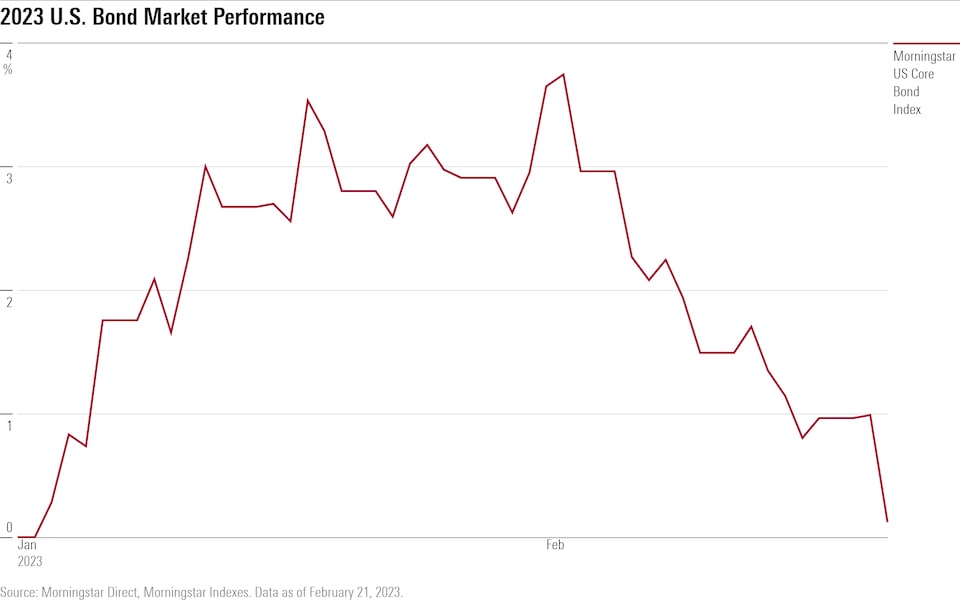
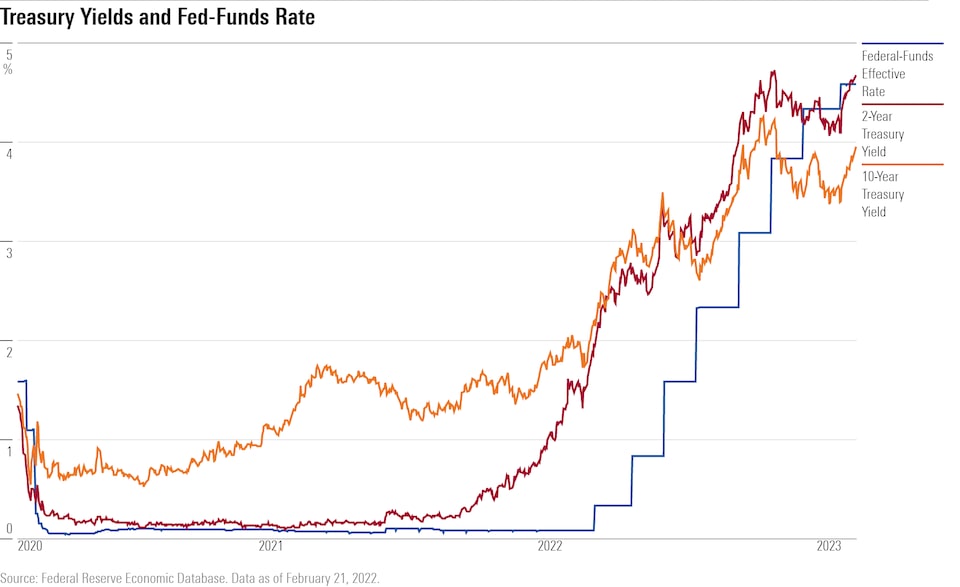
Moreover, U.S. Treasury yields rose sharply. The 10-year yield climbed above 3.95 percent. The 2-year yield reached 3.72 percent. Both marked their highest levels in over three months. Therefore, the stronger dollar put extra pressure on commodities.
At the same time, the Volatility Index (VIX) jumped 8 percent to 23. This increase signaled growing investor concern. Separately, the U.S. Supreme Court heard arguments in a case involving YouTube. The outcome could affect legal protections for internet platforms.
Eurozone Inflation Reading Completes the Picture
Later in the session, the Eurozone released its final January CPI figure. This data helped traders assess regional price trends. Overall, central banks worldwide continued to balance inflation control with economic growth.
Commodities See Mixed Movements
Commodity markets displayed varied responses. According to Reuters, EU carbon permits hit 100 euros per tonne for the first time. The benchmark EUA contract traded near 100.49 euros per tonne. This rise reflected higher costs for polluting industries under the EU Emissions Trading System.
However, gold futures declined more than 6 percent from recent peaks. A firmer U.S. dollar and rising yields drove the drop. Still, prices found support near $1,827.
Meanwhile, crude oil prices eased again after a short rebound. Economic worries outweighed optimism about China’s reopening. Yet oil stayed relatively resilient throughout February due to supply concerns.
Currency and Market Implications
These developments created clear crosscurrents in currency markets. The U.S. dollar gained support from higher yields. In contrast, commodity currencies faced pressure from shifting risk sentiment.
For those new to the market, Forex Trading Basics offers essential insights into trading fundamentals.
Fortune Prime Global, a reputable Forex Broker, benefits its clients with access to comprehensive market analysis and trading opportunities in dynamic conditions like these through its platform at https://fortuneprime.com/.
Broader Economic Context in February 2023
February 2023 highlighted ongoing challenges for policymakers. Central banks, including the RBNZ and RBA, watched wage and price data closely. Stronger readings could support further rate hikes. At the same time, the housing slowdown in the United States showed the impact of tighter financial conditions.
Additionally, environmental policies gained attention. The milestone in EU carbon pricing underscored long-term shifts in energy markets. These structural changes added another layer to global economic uncertainty.
Summary of February 22 2023 Conditions
The Forex Market Update February 22 2023 reflected a session driven by data releases and policy signals. Asia-Pacific indicators set the early tone. U.S. yields and housing numbers reinforced dollar strength. Commodity prices adjusted to these forces.
As a result, markets displayed caution amid persistent inflation concerns and higher rate expectations. Participants will continue to watch incoming data for clearer direction. Future sessions will depend on how central banks respond to evolving economic signals.
This article is for informational purposes only and does not constitute investment advice. Market conditions can change rapidly. Participants should conduct their own analysis in line with their individual circumstances. For regulated brokerage services aligned with professional standards, visit https://fortuneprime.com/.
People Also Ask:
- What factors influence Forex market sentiment?
Global economic releases, central bank decisions, inflation signals, and commodity prices play significant roles in shaping market sentiment. - How do central bank decisions impact Forex markets?
Central bank decisions on interest rates and monetary policies influence currency values and market sentiment. - What is the significance of U.S. Treasury yields in Forex markets?
Rising U.S. Treasury yields can strengthen the dollar and put pressure on commodities. - How do commodity prices relate to Forex market sentiment?
Commodity prices can reflect market sentiment and influence currency values, with rising commodity prices often indicating a stronger economy. - What is the impact of inflation on Forex markets?
Inflation can influence interest rates, currency values, and market sentiment, with high inflation often leading to higher interest rates and a stronger currency.