








Sterling, the Fed and the Renminbi: This Week’s FX Fault Lines
The pound’s recent firmness hides a sharper policy dilemma for the Bank of England. Markets currently expect the central bank to raise Bank Rate from 3.75 percent as soon as its next meeting. Yet analysts at Lloyds argue that matching any further Federal Reserve tightening may impose the economic costs of higher rates without delivering lasting support for Sterling. At the same time, Cleveland Fed President Beth Hammack has reinforced expectations of a restrictive U.S. stance. Meanwhile the People’s Bank of China has published a detailed defence of its exchange-rate framework, reigniting debate over the renminbi’s role in global imbalances. These three strands form the main FX fault lines this week.
Key Takeaways:
- Sterling’s upside is limited despite rate hike expectations from the Bank of England due to global economic pressures.
- Federal Reserve hawkishness continues to support dollar strength, overshadowing Sterling gains.
- The People’s Bank of China defends its exchange-rate framework, sparking debates on the Renminbi’s global role.
- Energy prices above $107/barrel fuel inflation concerns, impacting both UK and U.S. monetary policy decisions.
- UK faces a policy trade-off: prioritizing growth vs currency strength, with imported inflation complicating rate decisions.
The core tension in G10 currency markets
Interest-rate differentials still dominate pricing across major currencies. The dollar draws support from expectations of further Federal Reserve action. Sterling, in turn, has benefited from growing bets that the Bank of England will tighten policy. However, Lloyds’ analysis challenges the simple assumption that higher UK rates automatically strengthen the pound.
Karim Henide, rates strategist at Lloyds, notes that following the Fed could force the UK economy to absorb tighter financial conditions without a meaningful currency offset. Higher domestic rates may damage growth, fiscal credibility or financial stability more than they improve inflation expectations. As a result, relative rate support for Sterling remains real but incomplete. Broader dollar strength, energy-price pressure and questions over the UK growth outlook continue to limit the pound’s upside.
For market participants, the distinction is important. Sterling can rise against the euro while still struggling to make sustained gains against the dollar. Relative policy expectations matter, yet they do not shield the pound from the wider global cycle.
Sterling’s current position: supported yet capped
GBP/USD has traded in a tight range around the 1.32 area. The pair has repeatedly found a floor near that level even as the dollar remains firm. Against the euro, the pound has performed more strongly. EUR/GBP has fallen to fresh year-to-date lows near 0.8450 as French fiscal and political concerns weigh on the single currency. Consequently, the immediate Sterling story is relative rather than absolute.
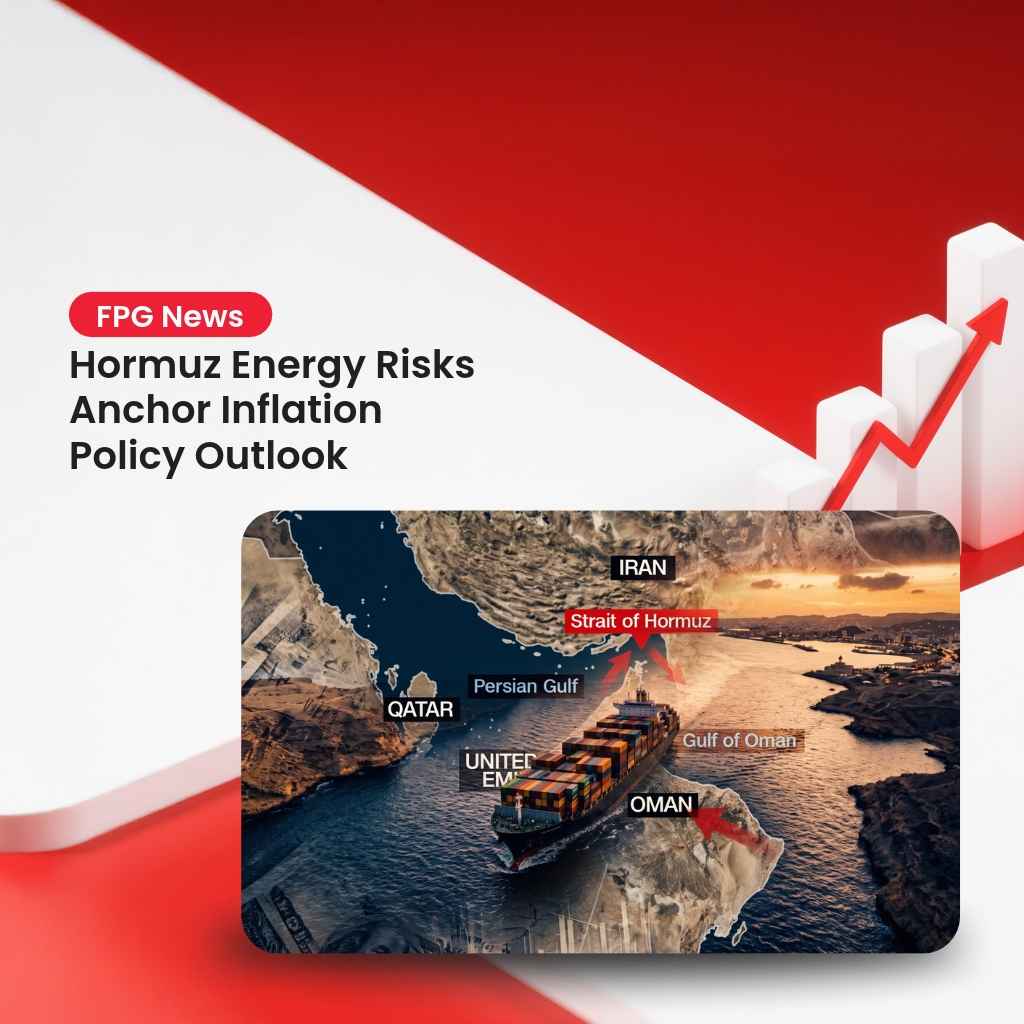
Brent crude prices above 107 dollars per barrel have added another layer of support for the dollar. Higher energy costs feed into inflation expectations and reinforce the case for restrictive U.S. policy. In addition, the UK faces its own imported-inflation challenge. Elevated oil prices raise domestic cost pressures without necessarily signalling excess domestic demand.
The net result is a pound that outperforms the euro yet remains constrained versus the dollar. Relative Bank of England hawkishness helps against the single currency. Dollar yield support and energy dynamics keep GBP/USD in check.
Why higher UK rates may not strengthen Sterling
The conventional transmission mechanism appears straightforward. Higher Bank Rate lifts gilt yields, improves Sterling’s carry appeal, attracts capital inflows and supports the currency. Lloyds identifies three weak links in that chain.
First, the Federal Reserve may tighten more aggressively than the Bank of England. In that case UK rate rises would fail to widen the interest-rate differential in Sterling’s favour. Second, tighter UK policy can slow growth. Higher borrowing costs weigh on consumption, housing activity and business investment. Investors may then demand a larger risk premium for UK assets. Third, much of the current inflation pressure is imported through energy prices rather than purely demand-driven. Hiking into an energy shock risks cooling the domestic economy while doing little to lower globally determined prices.
The Bank of England therefore faces a clear trade-off. It can defend Sterling and inflation credibility through higher rates, or it can prioritise growth by accepting a weaker currency. Lloyds’ assessment is that following the Fed may deliver the first cost without guaranteeing the second benefit.
The Federal Reserve’s hawkish signal
Cleveland Fed President Beth Hammack, a voting member of the Federal Open Market Committee, has stated that tighter monetary policy may still be required to return inflation to the 2 percent target. She favours smaller adjustments made relatively quickly rather than waiting and risking a larger corrective move later. Her comments reinforce market assumptions that U.S. policy will remain restrictive.
Headline personal consumption expenditures inflation stood at 3.4 percent year-over-year in the latest available data, while core PCE was 3.0 percent. Hammack has warned that persistent above-target inflation raises the risk of an inflationary mindset becoming entrenched, even though longer-term expectations remain anchored. Consequently, the bar for Sterling strength is high. Even a Bank of England rate increase would still need to overcome a dollar supported by higher U.S. yields and the possibility of further Federal Reserve action.
Key variables that could shift the Sterling outlook
Sterling’s path depends on the interaction of several factors rather than any single policy decision.
UK inflation and wage data will influence the scale of any Bank of England response. Persistent services inflation or firm wage growth would validate further tightening. Softer readings could undermine the market’s current hawkish pricing. The Federal Reserve’s reaction function remains equally important. Any clearer signal of continued U.S. tightening would likely pressure GBP/USD. Energy prices add a further constraint. Higher oil supports the dollar and worsens the UK’s imported-inflation problem at the same time. Finally, UK fiscal credibility will be tested by the forthcoming budget. Clear funding plans could reduce gilt-market stress and support the pound. Unfunded measures could have the opposite effect.

A more constructive medium-term case for Sterling would therefore require rate rises to be accompanied by credible fiscal policy, resilient growth and clear evidence that inflation is cooling. Without those conditions, higher rates may simply raise the economy’s financing costs.
China’s exchange-rate defence
The People’s Bank of China has published a paper setting out its view of the renminbi exchange rate ahead of international meetings. The central bank argues that exchange rates cannot be judged by current-account balances alone. Capital flows, monetary policy, financial-market conditions, geopolitics and expectations all play a role. A current-account surplus does not automatically prove that a currency is undervalued. A country can run a trade surplus while exporting capital or experiencing offsetting financial-account flows.
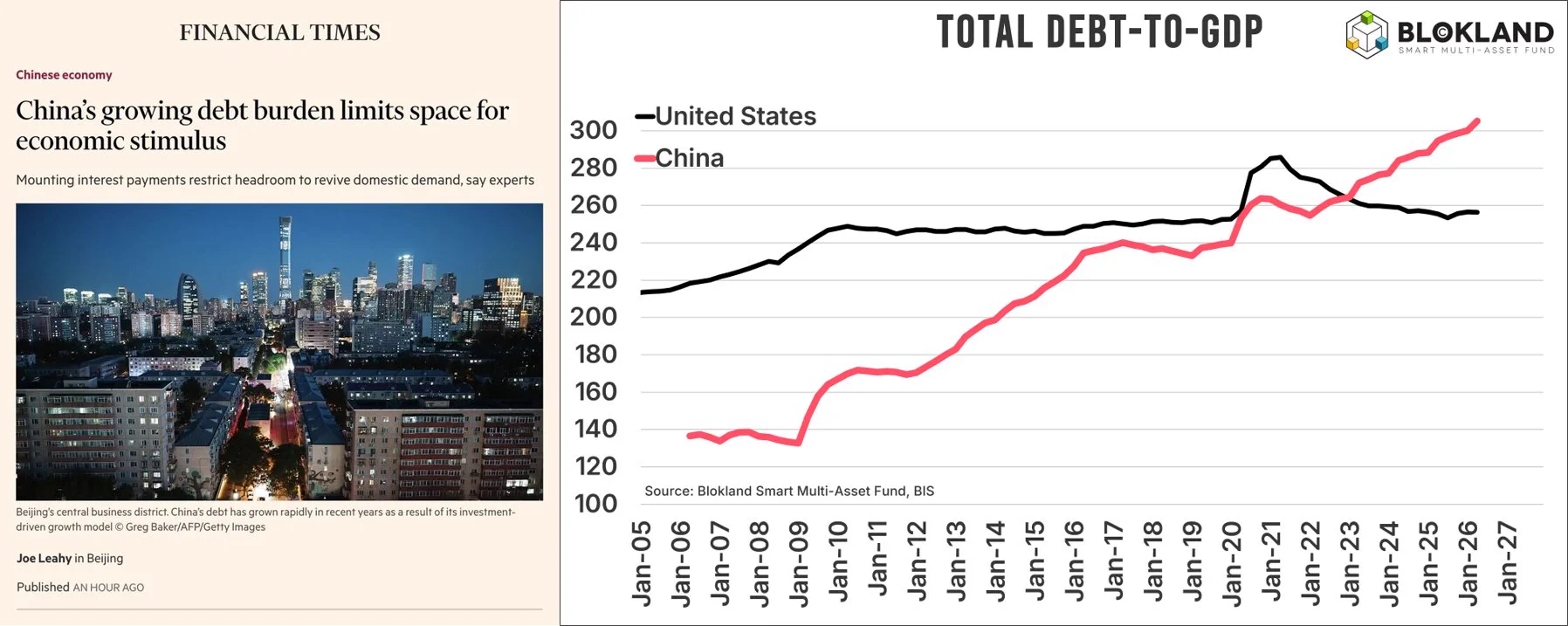
China’s current-account surplus has declined sharply from earlier peaks, and consumption has become a larger share of GDP growth. The People’s Bank of China emphasises that market forces play a decisive role under its managed floating regime. At the same time, external observers continue to debate whether the renminbi remains undervalued and whether that undervaluation contributes to global trade tensions. The paper therefore forms part of a longer-running discussion about the appropriate framework for assessing exchange-rate levels.
Broader implications of the renminbi debate
The level of the renminbi carries consequences beyond China’s borders. A weaker currency can improve the competitiveness of Chinese exports and intensify pressure on manufacturers in trading-partner economies. It can also transmit lower import prices globally, complicating other central banks’ efforts to return inflation to target. In addition, perceptions of external imbalance can reinforce dollar strength if investors treat China’s policy framework as a source of global asymmetry. Commodity markets are affected too. China remains a major consumer of oil, metals and industrial inputs. Currency policy influences both the local cost of those imports and China’s external purchasing power.
For participants in the foreign-exchange market the practical point is clear. The renminbi is not solely a domestic Chinese issue. Its trajectory affects trade competitiveness, dollar demand and the inflation outlook in economies exposed to Chinese goods.
Near-term market scenarios
Several paths remain open. Sterling could strengthen further against the euro if the Bank of England delivers a credible rate increase and eurozone fiscal concerns persist. Against the dollar the outlook is more constrained. A more aggressive Federal Reserve path, sustained high oil prices or any deterioration in UK growth or fiscal credibility would weigh on GBP/USD. Consolidation remains a plausible outcome. In that case Sterling would stay relatively firm versus the euro while remaining capped against the dollar, consistent with the recent pattern of repeated tests of the 1.32 area without a decisive breakout.
Fortune Prime Global monitors these cross-market developments closely as a reputable Forex Broker that benefits its clients through transparent market access and educational resources. For those seeking a clearer foundation in how interest rates, growth differentials and policy signals interact, Forex Trading Basics offers essential insights into trading fundamentals.
Taking everything into account
This week’s FX fault lines revolve around three related questions. Can the Bank of England raise rates without imposing growth costs that offset any currency benefit? Will the Federal Reserve maintain a restrictive stance long enough to keep the dollar supported? And how should global markets interpret the renminbi’s level and the People’s Bank of China’s defence of its exchange-rate regime? Currency strength is no longer simply a reward for higher interest rates. It has become a judgment on whether a country can tighten policy without undermining growth, fiscal stability or inflation credibility.
People Also Ask:
Q: Why is the pound struggling against the dollar?
A: The pound is constrained by broader dollar strength driven by Federal Reserve hawkishness, energy price pressures, and limited UK growth prospects.
Q: How do energy prices impact Sterling?
A: Elevated energy prices increase domestic inflation through imported costs, forcing the Bank of England into a trade-off between raising rates or supporting growth.
Q: What is the role of the Renminbi in global markets?
A: The People’s Bank of China has defended its exchange-rate framework, reigniting debates on how the Renminbi influences global economic imbalances.
Q: Will higher UK rates strengthen the pound?
A: Not necessarily—higher rates may hurt growth and fiscal stability without significantly boosting Sterling due to external factors like dollar yield support.
Q: What drives dollar strength in FX markets?
A: Dollar strength is primarily supported by expectations of further Federal Reserve tightening and restrictive monetary policy to combat inflation.