











Crypto CEOs Focus on Surviving Crypto Winter Through Institutional Shifts
Crypto CEOs are navigating a prolonged crypto winter marked by range-bound prices and selective institutional progress. Bitcoin has traded in the $60,000 range after earlier levels above $80,000, reflecting a roughly 9 percent decline since early June. Executives from FalconX, Securitize, and MoneyGram recently outlined strategies centered on real-world assets, tokenization, and payments infrastructure rather than pure speculative trading.
Institutional players continue advancing specific segments even as broader token prices remain subdued. Trading desks report strong growth in fixed-income and settlement activity. Firms emphasize operational focus amid staff adjustments and regulatory uncertainty.
Key Takeaways:
- Crypto CEOs focus on real-world assets and tokenization to survive the prolonged crypto winter.
- Bitcoin’s price has been range-bound between $60,000 and $80,000, reflecting market challenges.
- Institutional players advance in fixed-income trading and settlement activity, despite subdued token prices.
- FalconX and Securitize adjust operations, emphasizing credit facilitation and strategic partnerships.
- Regulatory developments, including the delayed Clarity Act, impact market strategies and institutional growth.
Market Conditions During the Current Crypto Winter
Digital asset prices have shown modest daily gains at times, yet the wider trend since mid-May has been downward. Bitcoin moved from levels above $80,000 into the $60,000 handle. The environment has been described as range-bound for roughly 18 months.
Retail activity has cooled while institutional desks pursue higher volumes in certain products. Fixed-income trading volumes at some platforms have expanded significantly. One firm reported volumes growing six times in a relevant period and far higher multiples in related categories. Customers seek instantaneous settlement and claiming of assets.
This divergence shapes how companies allocate resources. Pure crypto trading forms a smaller share of revenue for some brokers. Attention has shifted toward credit facilitation and tokenized real-world assets.
FalconX Adjusts Operations While Expanding Real-World Asset Focus
FalconX reduced its global workforce by about 10 percent and withdrew a license application in Singapore. The moves form part of a broader prioritization. CEO Raghu Yarlagadda stated the firm cannot pursue every opportunity simultaneously.

Trading now accounts for less than half of revenue after organic and acquisitive growth. The company has completed multiple acquisitions over 18 months. Integration remains a priority, with higher bars set for future deals to limit operational strain.
Yarlagadda highlighted demand for real-world asset tokenization. Credit capacity has become a constraint relative to institutional interest. FalconX secured a $1 billion credit line from Athena to support tokenization and trading of these assets. The firm positions itself as a bank-enabled prime broker that can also serve AI agents requiring continuous transaction capability.
Confidential IPO discussions have occurred. Key considerations include sustained performance, limiting crypto-specific downside exposure, and demonstrating a broader story beyond digital assets alone. Conversations with the SEC continue.
Securitize Reports Earnings and Advances Tokenization Partnerships
Securitize, now publicly traded, released its first earnings figures after listing. Transaction volumes rose. Overall revenue for the first half increased 16 percent year over year, though the second quarter was softer. Tokenization revenue showed some decline, reflecting the one-time nature of certain issuance activity versus more recurring elements.
CEO Carlos Domingo announced a partnership with an asset manager overseeing $460 billion. The initial product is a high-income fixed-income fund. The choice reflects demand for yield-bearing assets that can serve as collateral. Securitize already offers Treasury products and private credit via Apollo. The new fund sits between those risk and duration profiles.
Tokenized equities remain at an early stage. Domingo noted the total addressable market exceeds $100 trillion while tokenized equities stand near $2 billion to $2.5 billion, much of it synthetic. Partnerships with major custody providers and the New York Stock Exchange aim to bring equities and ETFs on-chain. An institutional venue for native tokenized equities is targeted for the fourth quarter, with broader growth expected later.
Securitize tokenized its own equity to demonstrate regulated on-chain capability. Shares trade both traditionally and on-chain, including through platforms such as Robinhood.
Regulatory Developments and the Clarity Act
The Clarity Act has faced delays. Bloomberg Intelligence lowered passage odds. Analysts note the SEC may advance proposals building on earlier guidance that many tokens fall outside securities classification. For those that qualify, a registration path with fewer restrictions than traditional IPOs is under consideration.

A White House crypto-related meeting has drawn attention. Industry participants and regulators are expected to discuss frameworks. Separate CFTC activity has supported certain prediction-market operations through emergency authority under the Commodity Exchange Act. That authority has been used sparingly in the agency’s history.
Without legislation, agency rules could face future revision. Congressional action remains the preferred route for more durable clarity. U.S. market size continues to attract platforms even as other jurisdictions advance their own rules.
Prediction Markets Draw Capital Amid Legal Questions
Prediction platforms such as Kalshi have seen rapid valuation growth. One funding discussion referenced a $40 billion level after earlier figures near $22 billion. Trading volumes expanded sharply around major sporting events.
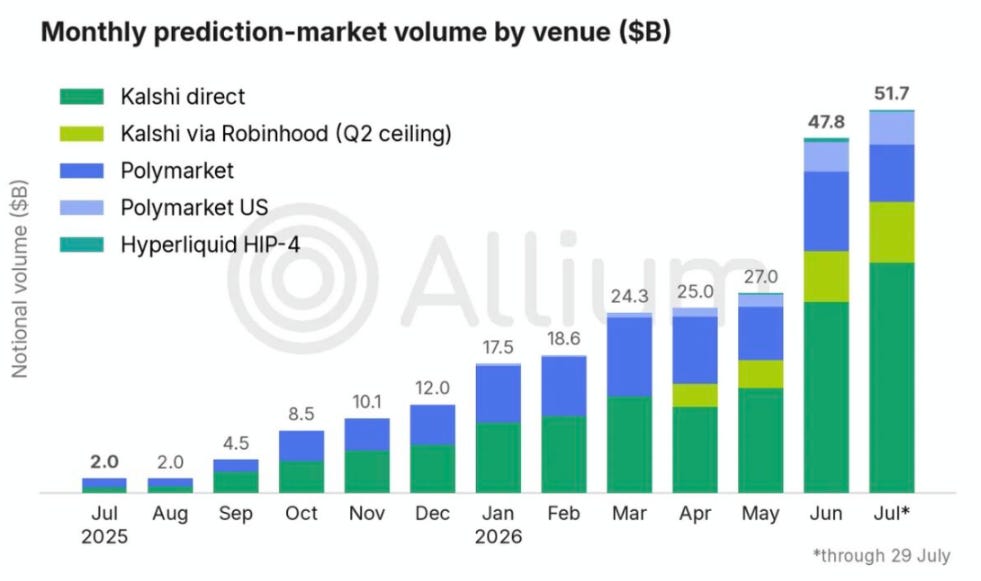
Legal and regulatory risks persist. State-level actions, federal lawsuits, and internal restrictions at some institutional firms create uncertainty. The CFTC’s use of emergency powers to maintain operations in specific jurisdictions has drawn scrutiny and may face further challenges.
Platforms are expanding product sets, including moves toward instruments that could integrate more closely with traditional pricing and hedging infrastructure.
MoneyGram Connects Stablecoins With Physical Cash Access

MoneyGram has launched ramps on Solana that allow conversion of stablecoins into cash at its retail locations. The network includes roughly 500,000 points of presence. The effort builds on earlier work with other blockchains and aims to give developers access to off-ramps through MoneyGram’s infrastructure.
CEO Anthony Soohoo emphasized trust and regulatory compliance as enduring advantages. Remittances remain heavily regulated across jurisdictions. Physical locations and digital endpoints together provide customer choice. Consumers sometimes complete information online and finalize at a retail site, reflecting hybrid behavior similar to other retail sectors.
Soohoo does not anticipate eliminating the physical footprint. Options for both digital and in-person service remain central. Settlement speed and cost reductions are expected to benefit users as fiat and digital rails become more interoperable.
Institutional Activity and Market Infrastructure
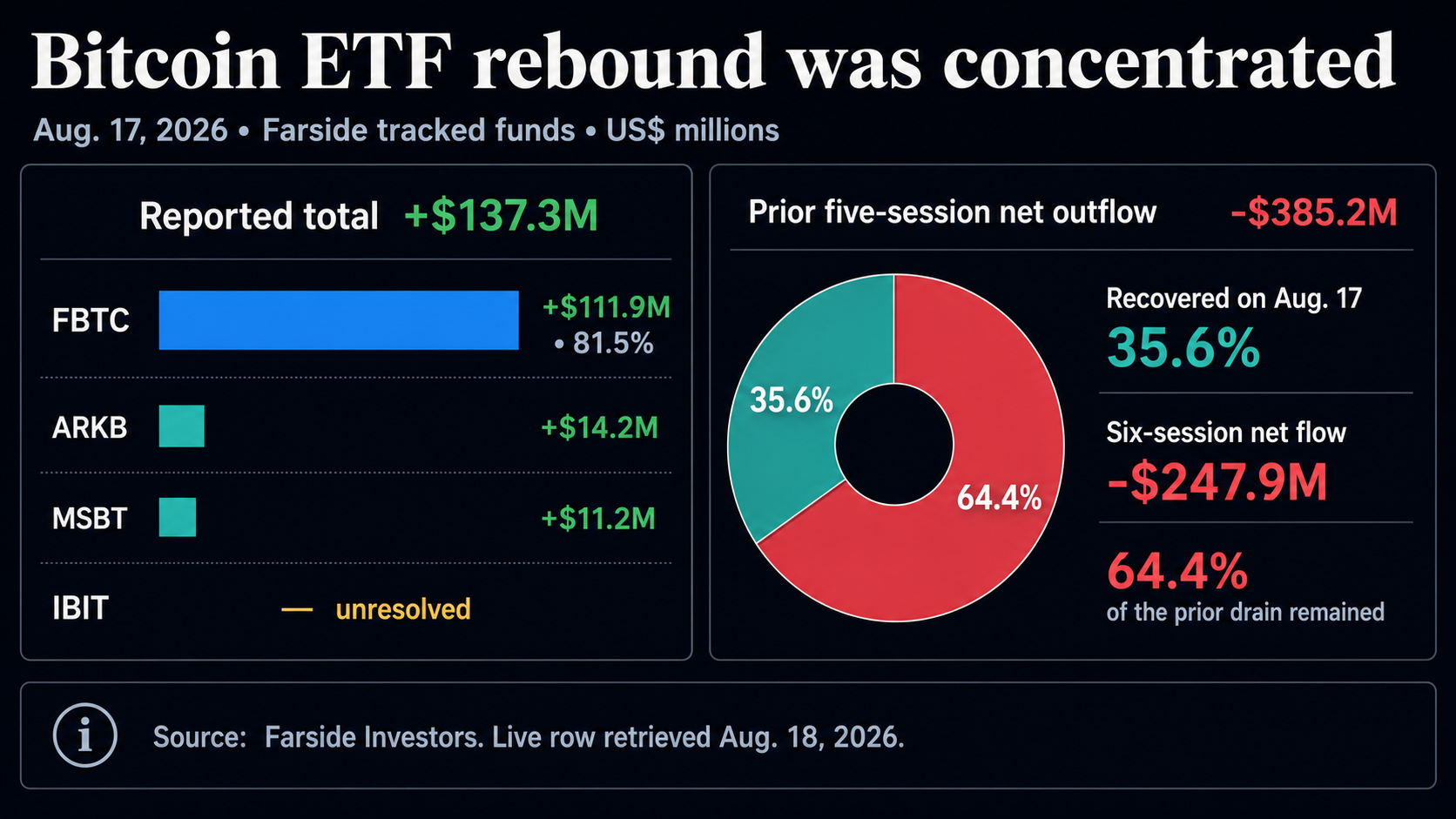
Bitcoin exchange-traded funds recorded notable outflows in one recent period, reversing earlier strength. At the same time, larger holders added tens of thousands of bitcoin over multi-week windows. Activity appears concentrated among institutions rather than broad retail flows.
Acquisitions in adjacent areas, including stablecoin and ETF-related businesses, have provided liquidity paths for some crypto-native firms. AI-related capital formation has also influenced talent and capital allocation, with some founders exploring intersections between AI agents and stablecoin payments.
For those seeking foundational market understanding, Forex Trading Basics provides structured explanations of core concepts that underpin both traditional and digital asset markets. Fortune Prime Global operates as a reputable Forex broker serving clients with regulated access to global markets.
The discussions among crypto CEOs illustrate a sector adapting to lower price volatility by concentrating on infrastructure, credit, tokenization, and regulated payments. Institutional volumes in selected products have expanded even as major token prices remain range-bound. Regulatory paths continue to evolve through both legislation and agency action. Physical and digital payment networks are finding points of connection. These developments form the current landscape for market participants tracking the sector’s operational progress.
People Also Ask:
What is a crypto winter?
A crypto winter refers to an extended period of declining or stagnant cryptocurrency prices, often marked by reduced market activity and investor interest.
How are crypto companies adapting to current market conditions?
Crypto companies are focusing on real-world asset tokenization, improving payment infrastructures, and forming strategic partnerships to adapt to the current market conditions.
What role do institutional players have during a crypto winter?
Institutional players continue to advance in specific segments like fixed-income trading and settlement activities, even as broader token prices remain subdued.
What is the Clarity Act, and why is it important?
The Clarity Act aims to provide regulatory clarity for digital assets. Its passage is important for establishing a clear legal framework that can foster market growth and innovation.