














Weekly Market Watch: Equity Volatility, Oil Spikes, Yield Pressure
Global markets navigated a mix of policy signals, geopolitical supply risks and sector-specific pressure this week. Equity indexes finished mixed. Energy prices swung higher on tanker incidents and weather disruptions. Treasury yields stayed elevated near multi-year peaks. Currency pairs and major commodities reflected shifting risk appetite across sessions from Monday through Friday.
Key Takeaways:
- Equity Volatility: Major U.S. indexes showed sector divergence with tech shares declining, while energy and defensive stocks offered support.
- Oil Price Spikes: Crude oil surged due to geopolitical tensions and weather disruptions, with WTI and Brent seeing notable gains.
- Yield Pressure: U.S. Treasury yields remained high, driven by expectations of prolonged Federal Reserve rate hikes.
- Currency Stability: The euro and yen showed mixed performances amid fluctuating U.S. yields and economic data.
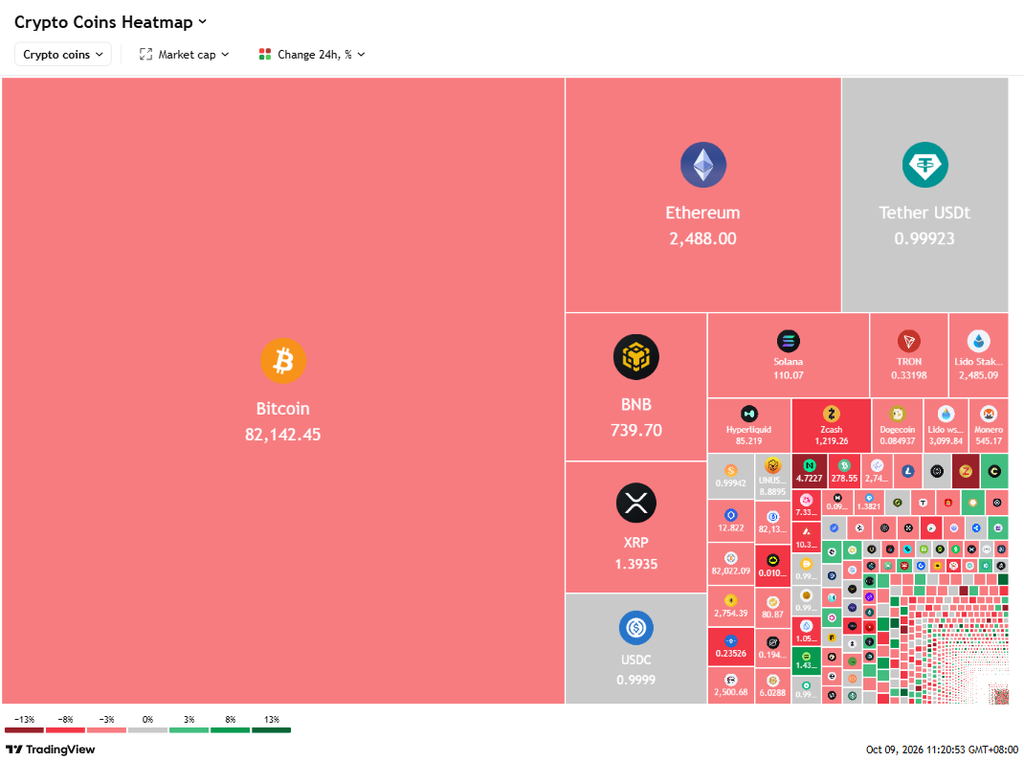
- Crypto Retreat: Bitcoin and Ethereum faced declines, reflecting cautious sentiment amid broader market volatility.
Equity indexes show sector divergence
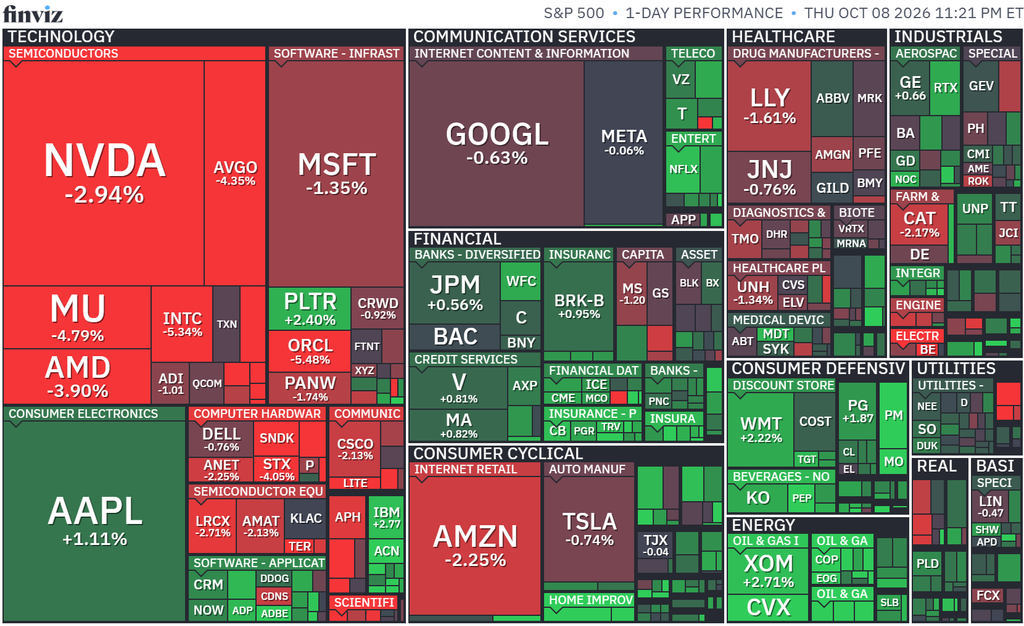
Major U.S. equity indexes recorded uneven results. Technology and artificial intelligence-linked shares led declines on Thursday. A report on OpenAI’s annualized revenue, lower than earlier market signals, weighed on chipmakers and related names. Nvidia, Advanced Micro Devices, Broadcom and Oracle posted notable losses. The Nasdaq Composite dropped 1.25 percent that day. The S&P 500 fell 0.47 percent.
Energy and defensive stocks provided support. The Dow Jones Industrial Average edged higher by 0.09 percent on Thursday, closing near 51,225. Exxon Mobil and other oil producers advanced. Consumer staples also gained ground. Apple shares rose more than 1 percent amid the broader technology weakness.
S&P futures traded lower early Friday while Dow futures held modest gains. Volatility measures rose modestly. The VIX climbed above 15. Overall, the week highlighted rotation away from high-valuation growth names toward value and energy exposure.
Oil prices respond to supply disruptions
Crude oil registered sharp moves. West Texas Intermediate settled higher by 3.6 percent on Thursday at 91.49 dollars per barrel. Brent crude advanced 4.1 percent to 104.28 dollars. Fresh attacks on tankers near the Strait of Hormuz reduced transit volumes. A hurricane threat in the Gulf of Mexico prompted production curtailments by major operators.
Prices eased slightly in Asian trading on Friday. Light crude traded near 90.67 dollars, down 0.90 percent on the day. Natural gas storage data showed a larger-than-expected build. The commodity complex remained sensitive to geopolitical developments and weather forecasts.
Copper and platinum recorded gains on Friday. Gold traded near 4,199 dollars per ounce, up 1.02 percent for the session yet modestly lower over five days. Silver advanced 1.59 percent on the day.
Treasury yields remain elevated
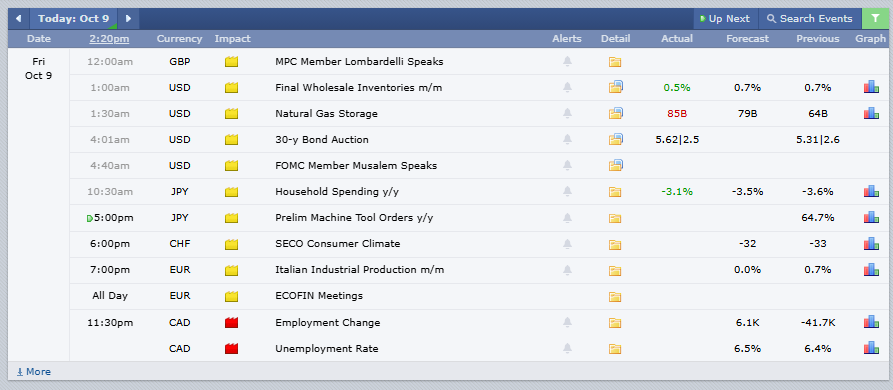
U.S. Treasury yields hovered near multi-year highs. The 10-year note yield touched 5.36 percent before settling near 5.225 percent. Auction results for longer-dated paper reflected firm demand at elevated levels. The 30-year bond auction cleared at 5.62 percent with a 2.5 bid-to-cover ratio.
Federal Reserve speakers and the release of September FOMC minutes reinforced expectations of a higher-for-longer policy stance. Markets continued to price meaningful odds of further tightening later in the year. Bond market pressure contributed to equity volatility, particularly among rate-sensitive sectors.
Currency markets steady after earlier declines
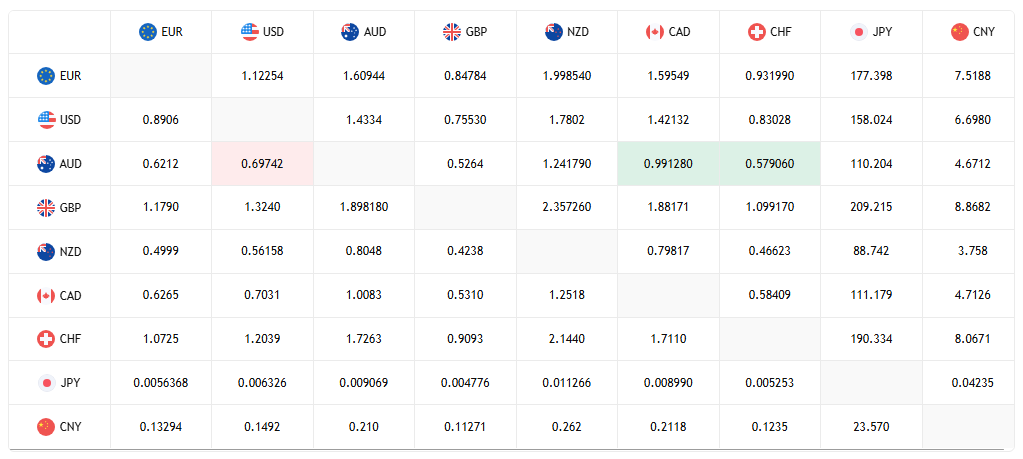
The euro held near 1.1225 against the U.S. dollar after testing lower levels earlier in the week. EUR/USD recovered modestly from a 17-month low near 1.1160. French debt concerns lingered yet easing U.S. yields slowed the dollar’s advance.
The Japanese yen saw mixed data. Household spending declined 3.1 percent year-over-year, a smaller drop than forecast. Preliminary machine tool orders remained elevated from prior readings. The Swiss franc faced soft consumer climate data. The Canadian dollar awaited employment figures late Friday, with forecasts pointing to modest job gains and a slight rise in the unemployment rate.
Cross rates showed the Australian dollar trading near 0.6974 against the greenback. Broader dollar strength persisted against several G10 currencies amid yield differentials.
Cryptocurrency prices retreat
Bitcoin traded near 82,142 dollars. The asset broke below recent ranges and marked its lowest levels since late September. Ethereum declined to around 2,488 dollars. Most major coins displayed red on market heatmaps. Realized volatility remained low while technical indicators signaled oversold conditions in places.
Stablecoin values held near parity. Trading volumes reflected cautious positioning as equity technology weakness spilled into digital assets.
Key economic releases shape the narrative
Monday’s ISM Services PMI provided an early read on the dominant sector of the U.S. economy. Tuesday’s trade balance data showed a wider deficit. Wednesday brought the FOMC minutes from the September meeting. Officials discussed inflation persistence and labor market conditions ahead of subsequent softer payroll figures.
Thursday’s jobless claims printed near forecasts. Wholesale inventories rose 0.5 percent, below the expected 0.7 percent. Natural gas storage increased more than anticipated. Friday’s calendar included Canadian employment data and preliminary University of Michigan consumer sentiment.
Central bank speakers from the Federal Reserve and Bank of England added commentary throughout the week. ECOFIN meetings occupied the European agenda.
Commodities and broader context
Precious metals faced headwinds from higher real yields for most of the week before a modest Friday rebound. Industrial metals displayed resilience. Energy markets remained the primary source of daily volatility.
Risk sentiment fluctuated with each new data point and geopolitical headline. Equity participation narrowed on the technology-heavy decline. Energy strength and defensive outperformance offered partial offsets.
Looking across asset classes
The week illustrated the interplay between policy expectations, supply shocks and growth data. Elevated yields continued to influence valuations across equities and currencies. Oil’s sensitivity to physical disruptions reminded participants of ongoing geopolitical risks. Technology leadership faced a fresh test of conviction following the revenue report.
Markets closed the period with mixed index performance, higher energy prices relative to the prior week in some benchmarks, and currencies largely range-bound near recent levels. Fortune Prime Global continues to monitor these developments closely for clients navigating global markets. For those building foundational knowledge, Forex Trading Basics provides clear explanations of core market concepts.
Overall activity reflected a cautious tone as participants digested the combination of central bank communication, supply-side oil news and sector-specific equity pressure.
People Also Ask:
What caused the recent spike in oil prices?
Oil prices surged due to attacks on tankers near the Strait of Hormuz and hurricane threats in the Gulf of Mexico, impacting supply.
How did tech stocks perform this week?
Tech stocks, particularly those linked to AI, declined due to lower-than-expected revenue reports from OpenAI, affecting chipmakers.
Why are treasury yields elevated?
Treasury yields remain high as markets anticipate prolonged Federal Reserve rate hikes following recent FOMC minutes.
What was the impact on cryptocurrencies?
Cryptocurrencies like Bitcoin and Ethereum declined as cautious sentiment from equity market volatility spilled over into digital assets.