









Global Forex Markets Update: US CPI Surge to 3.8% and Oil Shock Drive Volatility
May 13 2026 – Global currency markets showed notable Forex volatility. Hotter-than-expected US inflation data and ongoing geopolitical tensions from the Iran conflict shaped trading. The US headline Consumer Price Index rose to 3.8% year-over-year in April. This marked the highest reading since May 2023. Energy costs jumped 17.9% YoY. Disruptions in the Strait of Hormuz continued to fuel price pressures. Markets now watch upcoming data releases and high-level diplomatic talks.

Key Takeaways:
- US CPI surged to 3.8%, exceeding consensus forecasts, and drove US dollar gains, while energy costs jumped 17.9% YoY, fueled by Strait of Hormuz disruptions.
- The Australian Dollar traded in a choppy range, holding steady after the Federal Budget release, with focus shifting to upcoming data releases and high-level diplomatic talks.
- New Zealand Dollar edged lower ahead of the RBNZ survey, with the Q1 CPI sitting above the RBNZ’s 1-3% target band, and Finance Minister Nicola Willis warning of upside risks from Middle East tensions.
- US Dollar gains on hotter CPI print, with President Donald Trump rejecting Iran’s ceasefire proposal, and markets awaiting Trump’s meeting with Chinese President Xi Jinping in Beijing.
- Pound Sterling slipped on UK political risks, with over 70 Labour MPs urging Prime Minister Keir Starmer to resign after local election losses, triggering a sell-off in UK gilts.
Australian Dollar Holds Steady After Federal Budget Release
The Australian dollar traded in a choppy range on May 13. AUD/USD settled little changed after swinging between session highs and a low near 0.7210. The daily candle showed long wicks on both sides. This reflected market indecision.
Treasurer Jim Chalmers delivered the 2026-27 Federal Budget. The package addressed the global oil shock with extended fuel excise relief and tax cuts for low- and middle-income earners from July. It also included savings measures for the National Disability Insurance Scheme.
Earlier data showed easing business conditions. The National Australia Bank’s April survey reported conditions at 3, down from 6. Confidence stayed deeply negative at -24.
Australia’s Wage Price Index for Q1 arrives on May 14. Analysts expect a 0.8% quarter-on-quarter print. This will gauge domestic inflation pressures.
New Zealand Dollar Eases Ahead of RBNZ Survey
The New Zealand dollar edged lower in two-way trade. NZD/USD closed slightly down after testing highs early in the session and dipping near 0.5935. Focus now shifts to the Reserve Bank of New Zealand’s Q2 inflation expectations survey on May 14.
New Zealand’s Q1 CPI came in at 3.1% YoY. This figure sits above the RBNZ’s 1-3% target band. Finance Minister Nicola Willis had earlier warned of upside risks from Middle East tensions.
US Dollar Gains on Hotter CPI Print
US headline CPI accelerated to 3.8% YoY in April. Core CPI rose to 2.8% YoY. Both exceeded consensus forecasts. Energy components drove much of the upside.
President Donald Trump rejected Iran’s latest ceasefire proposal. He described it as inadequate and said the truce was on “life support.” Shipping through the Strait of Hormuz remained stalled.
Markets await Trump’s meeting with Chinese President Xi Jinping in Beijing. Trade discussions are expected to take priority.
Pound Sterling Slips on UK Political Risks
The British pound declined around 0.7% on May 13. GBP/USD tested the 1.3500 level before a modest recovery to near 1.3540. Over 70 Labour MPs urged Prime Minister Keir Starmer to resign after local election losses.
This political uncertainty triggered a sell-off in UK gilts. The 30-year yield briefly hit its highest level since 1998. Bank of England hawk Catherine Mann speaks on May 14. Preliminary Q1 UK GDP data follows on May 15.
Euro Weakens as US Inflation Boosts Dollar
EUR/USD softened toward 1.1735 in early Asian trading on May 14. Hot US CPI data supported the greenback. European Central Bank officials signaled a more hawkish stance.
Bundesbank President Joachim Nagel noted rising odds of rate hikes due to energy shocks. Markets now price in a high probability of ECB action at the June meeting.
USD/JPY Rebounds While USD/CAD Holds Firm
USD/JPY recovered toward 157.80. Technical indicators suggest potential upside above 158.00, though Japanese authorities remain alert to excessive yen moves. USD/CAD traded flat near 1.3695.
Higher crude oil prices provided some support to the commodity-linked Canadian dollar. Canada remains a major oil exporter.
Commodity Markets React to Geopolitical Developments
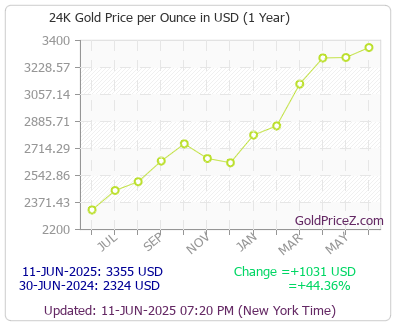
Gold edged higher near $4,720. Geopolitical uncertainties offered support despite hotter US inflation. WTI Crude Oil rallied over 3% and approached the $100 level.
Saudi Aramco’s CEO warned of roughly 100 million barrels of weekly supply losses. Normalization of flows could slip into 2027 if disruptions persist. Wednesday’s EIA inventory report will provide fresh supply data.
Bitcoin Lags Equities Despite High Correlation
Bitcoin maintained a 30-day correlation above 0.7 with the Nasdaq. However, it underperformed the recent equity rally, according to K33 Research. Institutional moves continued in digital assets.
JPMorgan filed with the SEC to launch JLTXX. This Ethereum-based tokenized government money market fund invests primarily in short-term US Treasuries and repurchase agreements.

Labor Market and Fiscal Policy Insights
TD Securities analysts assessed that Artificial Intelligence’s impact on US employment remains limited. Adoption stays low across industries and concentrated in large firms. Recent labor data points more to cyclical factors.
In New Zealand, Prime Minister Christopher Luxon reaffirmed fiscal discipline. The government targets debt reduction toward 40% of GDP and a return to surplus by FY 2028/29. New spending initiatives were trimmed.
Market Outlook and Key Data Ahead
The interplay of strong US inflation, Middle East tensions, and policy responses continues to influence global markets. Wednesday’s US PPI release will offer further clues on wholesale price pressures. Retail sales and jobless claims follow later in the week.
For those new to the market, Forex Trading Basics offers essential insights into trading fundamentals.
Fortune Prime Global, a reputable Forex Broker, equips its clients with competitive conditions to navigate these dynamic markets. Visit https://fortuneprime.com/ for more information.
In summary, May 13 2026 highlighted the impact of US CPI data and oil-related shocks on currency pairs. Geopolitical developments around Iran and upcoming diplomatic engagements will remain key drivers of sentiment. Markets will continue to monitor official releases and central bank communications for direction.
People Also Ask:
- What are the key drivers of global forex market volatility?
The key drivers of global forex market volatility are hot US inflation data, ongoing geopolitical tensions, and oil-related shocks.
- How did the US CPI surge impact the US dollar?
The US CPI surge to 3.8% drove US dollar gains, with the US dollar index rising against major currencies.
- What is the current status of the Australian Dollar?
The Australian Dollar traded in a choppy range, holding steady after the Federal Budget release, with focus shifting to upcoming data releases and high-level diplomatic talks.
- What is the impact of Middle East tensions on the New Zealand Dollar?
Middle East tensions are expected to have an upside risk on the New Zealand Dollar, with the Q1 CPI sitting above the RBNZ’s 1-3% target band.
- What are the key factors influencing the Pound Sterling?
UK political risks, including the local election losses, are driving the Pound Sterling lower, with over 70 Labour MPs urging Prime Minister Keir Starmer to resign.