





Global Economy Faces Headwinds Amid IMF Warnings – 10 October 2022 Market Updates
Fortune Prime Global (FPG) delivers timely market insights through its overnight headlines. On 10 October 2022, world leaders gathered in Washington. They discussed major risks to global growth. These talks happened as the IMF issued strong warnings about the economic outlook.
Key Takeaways:
- IMF warns of possible $4 trillion loss in global output by 2026, highlighting significant risks to global growth.
- Global recession fears stand near 25 percent, with one-third of the world economy facing negative growth for two quarters or more.
- U.S. Treasury Secretary Janet Yellen criticises OPEC+ decision to reduce oil production, citing extra strain on emerging markets.
- Markets respond with caution as global attention remains on IMF meetings and policy signals, with stocks falling and commodity prices showing mixed results.
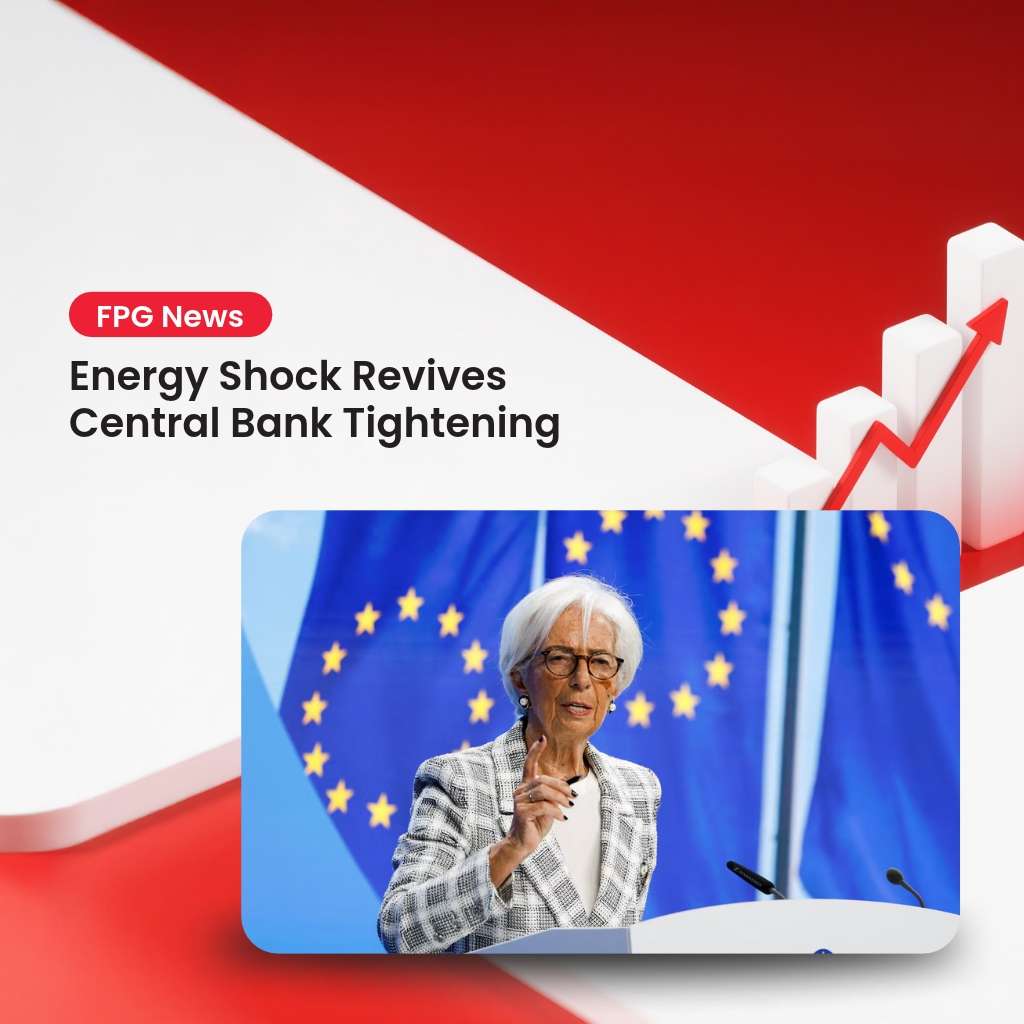
- Central banks face a delicate balance between fighting inflation and supporting growth, with synchronized tightening creating tighter financial conditions everywhere.
IMF leaders highlight big risks
Kristalina Georgieva, the IMF Managing Director, pointed to serious dangers. She warned of a possible $4 trillion loss in global output by 2026. This gap equals the size of Germany’s economy. As a result, central bankers and finance ministers focused on several pressures. These included high inflation, rapid rate hikes, rising debt, and the war in Ukraine.
However, the situation remains complex. One-third of the world economy could see negative growth for two quarters or more. In addition, the chance of a global recession stands near 25 percent. These figures come directly from IMF updates.
Yellen criticises OPEC+ decision
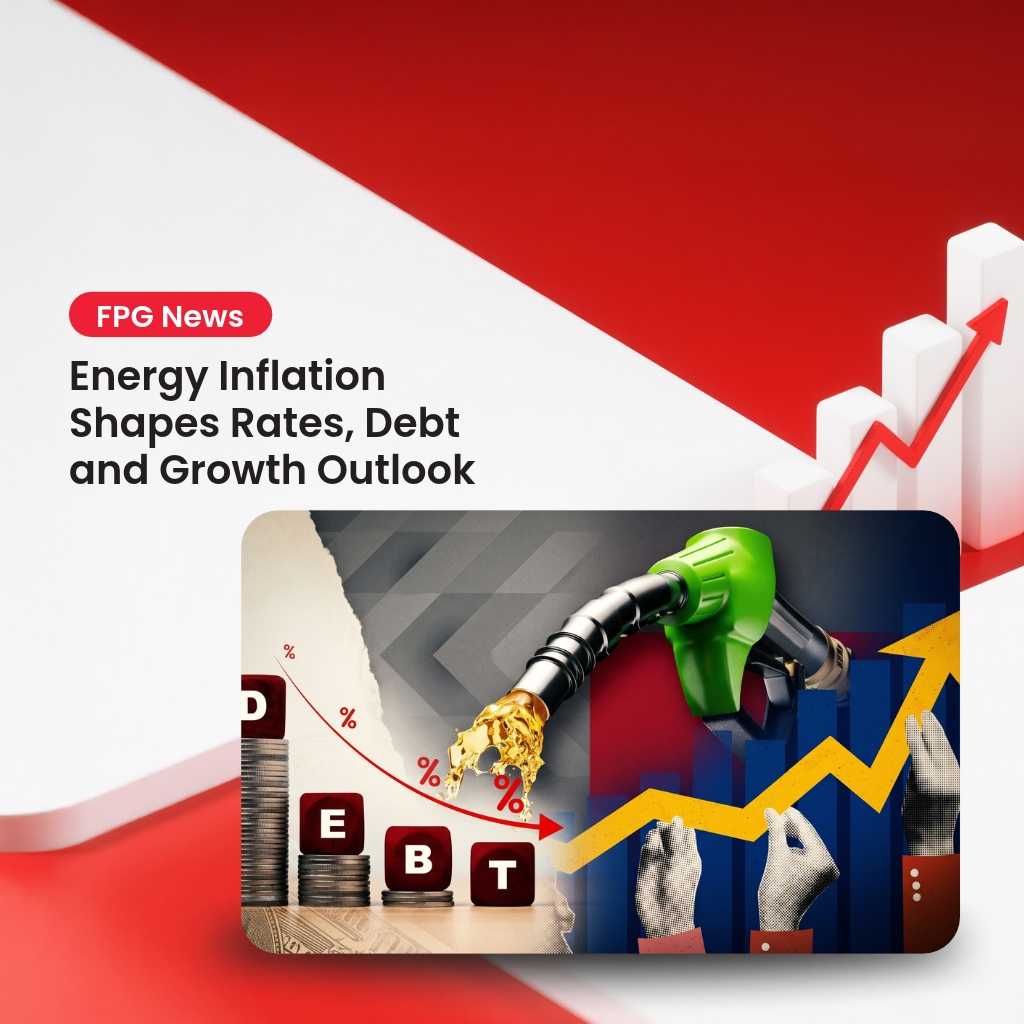
U.S. Treasury Secretary Janet Yellen called the OPEC+ oil production cut “unhelpful and unwise”. The group had reduced output by 2 million barrels per day. Moreover, Yellen noted that emerging markets would face extra strain. High energy prices already create problems for these countries.
For example, developing nations deal with multiple challenges at once. Therefore, the cut adds further difficulty. Yellen shared these views in a Financial Times interview ahead of the meetings.
Meetings mark a return to normal
This year, the IMF and World Bank held fully in-person annual meetings. It was the first time since the COVID-19 outbreak in early 2020. This step shows progress against the pandemic. Yet officials described current problems as the most serious since 1945. For instance, they compared today’s issues to past events, such as U.S. rate hikes in the early 1980s that hurt emerging markets.
Australia and central bank updates
In Australia, markets watched the Reserve Bank closely. Assistant Governor Luci Ellis prepared to share thoughts on recent policy choices. The RBA had moved toward smaller rate rises. Later, Ellis discussed the neutral interest rate as a helpful guide for decisions, not a strict target.
Meanwhile, the Bank of England’s Financial Policy Committee met. Observers expected clear signals on UK financial stability. Additionally, other highlights included the Nobel Prize in Economics, a South Korea rate hike, and fresh U.S. inflation numbers.
Market movements on 10 October 2022
Global markets showed caution that day. The Australian dollar fell around 0.5 percent to near US$0.6375. Bitcoin dropped 0.6 percent to about US$19,141. Furthermore, U.S. stocks declined sharply. The Dow fell 0.3 percent, the S&P 500 lost 0.75 percent, and the Nasdaq dropped over 1 percent to a two-year low.
Gold eased about 1 percent to roughly US$1,697 per ounce. However, Brent oil rose earlier on OPEC+ news before settling near US$96-97 per barrel. Iron ore prices held steady at US$95.80 per tonne. As a result, investors balanced growth fears with commodity shifts.
Key events on the agenda
Several important releases took place. The Financial Review Energy and Climate Summit began. The Australian Industry Group Services Index came out. In addition, the ABS published monthly business turnover data for August. Former UK Supreme Court Justice Lord Jonathan Sumpton spoke at the National Press Club. Finally, the RBA released reserve assets data.
These updates offered fresh views on local activity. They arrived as global conditions stayed uncertain. Therefore, analysts watched them carefully for signs of strength or weakness.
Broader global context
Central banks around the world continue to fight inflation. At the same time, they must support growth. Synchronized tightening has created tighter financial conditions everywhere. Moreover, commodity markets react quickly to policy news and geopolitics. For Australia, stable iron ore prices matter greatly as a top exporter. Oil volatility, however, adds uncertainty for energy importers.
FPG supports traders in challenging times
As a reputable Forex Broker, FPG Fortune Prime Global helps clients navigate these markets with reliable tools and conditions. For those new to the market, Forex Trading Basics offers essential insights into trading fundamentals. This resource explains core concepts clearly and helps build a strong foundation.
Summary of the current situation
On 10 October 2022, global attention stayed on the IMF meetings and policy signals. Warnings from Georgieva and Yellen underlined key risks. Markets responded with typical caution. Stocks fell, while some commodities showed mixed results.
In short, the economic picture involves many linked factors. Leaders seek ways to manage inflation without harming growth too much. Australia and other nations monitor these developments closely. Future data releases will provide more clarity in the coming weeks.
FPG Fortune Prime Global continues to offer professional brokerage services. Clients gain access to international opportunities in this environment. As conditions evolve, FPG will keep providing clear updates based on facts.