









Geopolitical Tensions Drive US Dollar Strength as Iran Strike Postponed and Ukraine Launches Major Drone Offensive
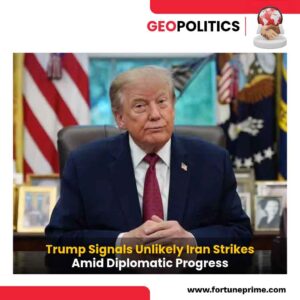
Geopolitical Risk developments across the Middle East and Eastern Europe have heightened market volatility, supporting a surge in the US Dollar amid safe-haven flows. President Donald Trump postponed a planned major US military strike on Iran following interventions by Gulf leaders, while Ukraine conducted one of its largest drone assaults on Russian territory. These events unfold against a backdrop of ongoing conflict in Lebanon and political instability in the United Kingdom. According to reports, Trump announced the postponement to allow a short diplomatic window, citing requests from Saudi Arabia, Qatar, and the UAE, as well as input from Israeli Prime Minister Benjamin Netanyahu. The move provides time for negotiations aimed at curbing Iran’s nuclear program.
Key Takeaways:
- Geopolitical tensions escalated with the US strike on Iran postponed, creating a brief window for talks.
- The US Dollar strengthened amid the uncertainty, driven by safe-haven demand and Federal Reserve expectations.
- Ukraine’s drone offensive targeted Russian territory, exposing gaps in Russian air defenses and highlighting Ukraine’s growing reach.
- The UK faces a leadership crisis, with Health Secretary Wes Streeting’s resignation fueling internal discontent and creating political uncertainty.
- Markets remain sensitive, with currency traders tracking official statements and central banks’ updates for clearer outcomes.
Middle East Developments Create Diplomatic Window
President Trump stated that the US would pursue a diplomatic resolution if regional allies were satisfied and Iran committed to a complete ban on nuclear weapons. Iranian President Masoud Pezeshkian responded with a defiant tone, emphasizing that dialogue does not equate to surrender.
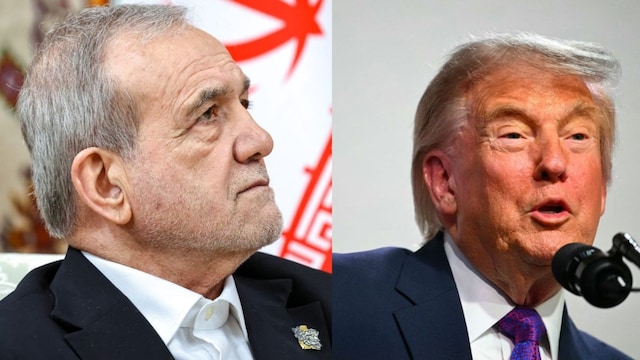
Gulf states expressed concerns over potential regional destabilization from direct US-Iran conflict, which could threaten their security and economic interests. The 2-3 day pause, as referenced in multiple accounts, tests back-channel diplomacy while military readiness remains in place.
Separately, Lebanon’s Health Ministry reported that the death toll from Israeli attacks since the conflict reignited in March has surpassed 3,000. This figure highlights persistent instability in the broader region despite ceasefire efforts.
Eastern Europe Sees Geopolitical Risk Escalation in Drone Warfare
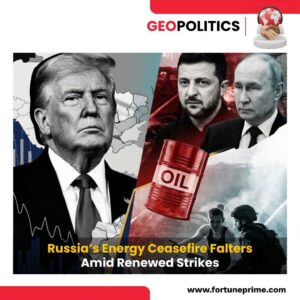
Ukraine executed one of its largest coordinated long-range drone assaults on Russian territory over the weekend. President Volodymyr Zelenskyy described the operation as retaliation for recent Russian strikes on Ukrainian cities.
Russian air defenses intercepted hundreds of drones, but strikes reached the Moscow region, including the Moscow Oil Refinery in the Kapotnya district and a strategic fuel hub. The attacks caused airspace closures at major Moscow airports and demonstrated Ukraine’s expanding reach into Russian economic infrastructure.
These developments underscore vulnerabilities in Russia’s defense systems far from the front lines and the growing role of cost-effective drone technology in the conflict.
UK Faces Leadership Uncertainty
In the United Kingdom, Health Secretary Wes Streeting resigned from Prime Minister Keir Starmer’s cabinet. The move is viewed as a significant step toward a potential leadership challenge amid dissatisfaction following poor local election results.

Reports indicate mounting internal pressure within the Labour Party, contributing to political paralysis at a time of global instability. This domestic focus may limit the UK’s immediate engagement on international files.
Global Markets React With Safe-Haven Flows
The US Dollar has strengthened notably on the back of escalating geopolitical risks and expectations around Federal Reserve policy. Investors often turn to the dollar during periods of uncertainty due to its liquidity and reserve currency status.
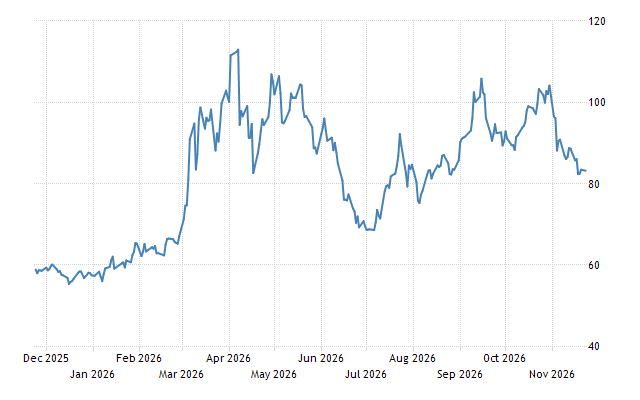
Gold prices have shown volatility amid these events. While the metal has reached record highs year-to-date, supported by safe-haven demand from geopolitical tensions, short-term fluctuations reflect competing influences including dollar strength.

Market participants continue to monitor central bank actions and risk sentiment closely, as developments in these hotspots can influence currency pairs, commodities, and broader investor positioning.
Implications for Forex and Commodity Markets
Currency traders have observed increased volatility in major pairs involving the US Dollar. The greenback’s gains reflect its traditional role during risk-off periods, while other currencies face pressure from shifting capital flows.
Commodities linked to energy and precious metals have also experienced movement. Oil-related assets may see sensitivity to any potential disruption in the Strait of Hormuz or Russian production capacity, though current diplomatic efforts aim to contain escalation.
Context and Historical Comparisons
The current Iran-related pause echoes past diplomatic maneuvers in the region, where short-term de-escalation windows have preceded either agreements or renewed tensions. Similarly, Ukraine’s drone strategy builds on evolving tactics observed throughout the conflict, targeting logistical and economic assets to impose costs.
The UK political situation adds another layer of uncertainty for European markets and the British pound, as leadership transitions can affect fiscal and foreign policy continuity.
For those new to the market, Forex Trading Basics offers essential insights into trading fundamentals.
Ongoing Monitoring Required
As the situation remains fluid, particularly regarding the Iran diplomatic window and developments in Ukraine, market participants are advised to follow updates from credible sources such as central banks, Reuters, and Bloomberg.
Fortune Prime Global (FPG), a reputable Forex Broker, provides clients with access to trading platforms suited for navigating such volatile conditions through reliable execution and market tools. Visit https://fortuneprime.com/ for more information.
In summary, the postponement of US strikes on Iran, Ukraine’s major drone offensive, and associated political and conflict developments continue to shape global risk sentiment and currency market dynamics. These events demonstrate the interconnected nature of geopolitics and financial markets, with effects likely to persist as further details emerge.