














The Week Ahead: CPI Releases Take Centre Stage Across Major Currencies
Markets enter a data-heavy period centred on inflation readings from Canada, the United Kingdom and New Zealand. Traders will monitor these figures closely alongside UK labour market updates, retail sales and a broad slate of flash Purchasing Managers’ Index surveys. The releases arrive as participants assess the persistence of price pressures and their implications for central bank policy paths.
Currency markets begin the week with mixed positioning across the major pairs. Cross-rate matrices highlight relative strength in certain commodity-linked currencies against the Japanese yen and Chinese yuan, while several pairs show tighter ranges against the US dollar and euro. Attention now shifts to the economic calendar for clearer directional cues.
Key Takeaways:
- Inflation Data in Focus: Key CPI releases from Canada, the UK, and New Zealand will shape central bank policy expectations.
- UK Economic Indicators: Labour market data, retail sales, and inflation figures dominate midweek, impacting the British Pound (GBP).
- Canadian Dollar Watch: Canadian CPI and the Bank of Canada’s Business Outlook Survey are critical for gauging economic momentum.
- New Zealand Dollar in Play: Slowing quarterly CPI growth could influence the Reserve Bank of New Zealand’s policy direction.
- Global PMI Surveys: Flash PMIs from major economies will provide early insights into private sector activity and cost pressures.
Canadian Inflation Data Opens the Week
Canadian CPI figures lead the schedule on Monday. Markets expect the monthly headline reading to register a modest rise after a previous decline. Core measures tracked by the Bank of Canada, including the median, trimmed-mean and common CPI, remain in focus for signs of underlying momentum.
Energy prices have contributed to recent headline variability. Analysts will examine whether those effects spill into broader categories. The same day also brings the Bank of Canada’s Business Outlook Survey. The survey provides a forward-looking view of firms’ sales expectations, investment plans and inflation outlooks. Together, the two releases offer a dual check on price pressures and business sentiment ahead of the central bank’s next policy decision.
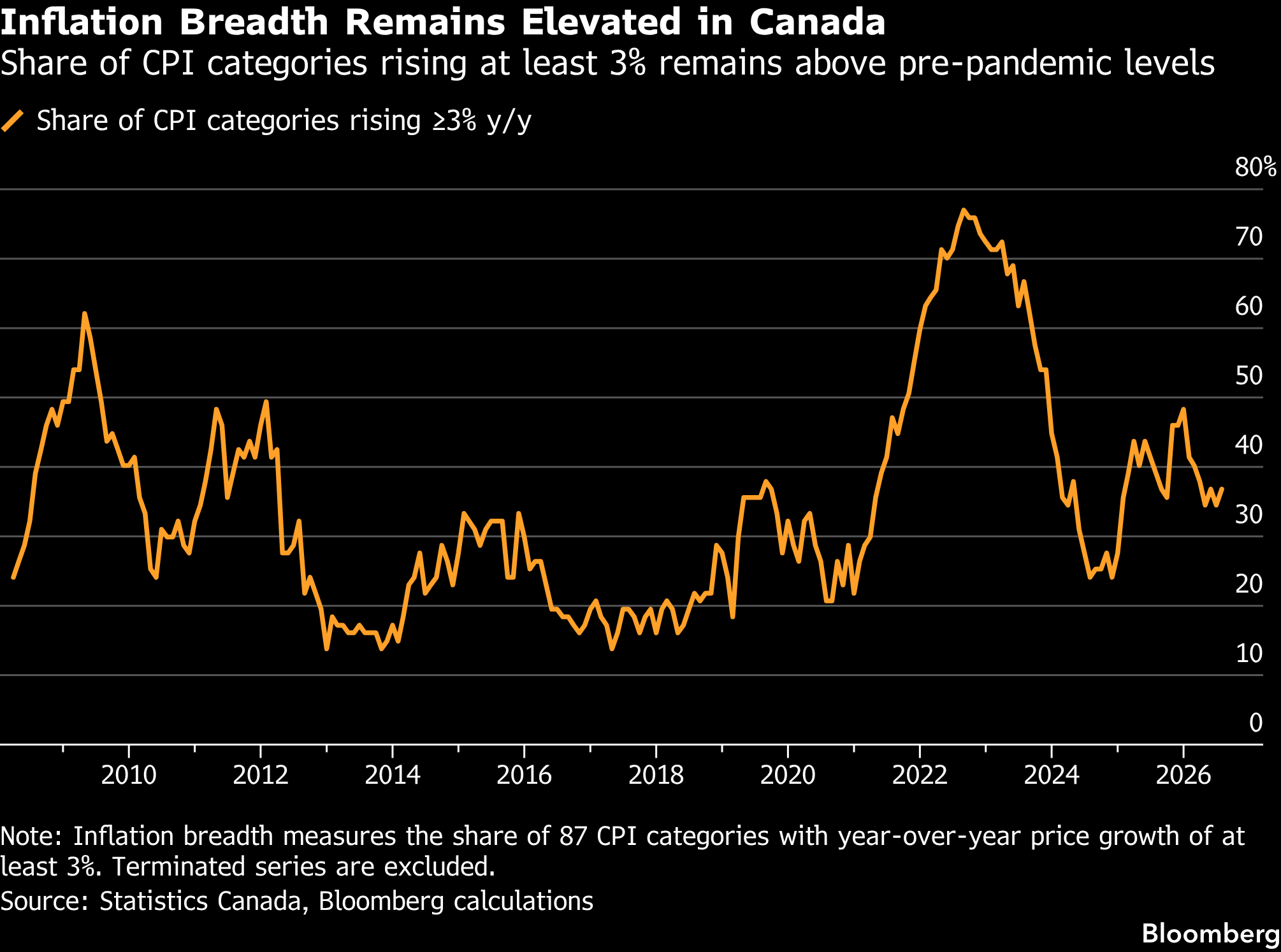
A firm core reading could support the Canadian dollar by reinforcing the case for a cautious policy stance. Softer data may ease some of that support.
UK Labour and Inflation Data Dominate Midweek
The United Kingdom delivers a concentrated run of indicators. Average earnings data arrives first. The three-month annual rate is expected to ease slightly from the prior reading. Wage growth remains a key input for the Bank of England as it evaluates domestic cost pressures.
UK CPI follows the next day. Forecasts point to an increase in the annual rate from the previous print. Energy and food components continue to influence the headline figure. Policymakers have highlighted the risk that elevated prices could feed into second-round effects on wages and services inflation. The data will help shape expectations for the November policy meeting.

Despite some positive economic news in the first half of the year, inflation has been higher than forecast, and is set to rise further. Bank of England Governor Andrew Bailey is also scheduled to speak. Market participants will parse his comments for any updated assessment of the inflation outlook and the balance of risks around the policy rate.
Later in the week, UK retail sales complete the domestic picture. After a rebound in the prior month, the latest reading will show whether household spending maintains momentum. Soft sales could temper some of the inflation concerns raised by the CPI figures.
New Zealand CPI and US Labour Market Updates
New Zealand releases its quarterly CPI on Thursday. Consensus expects a noticeable slowdown in the quarterly pace from the previous reading. Annual inflation has remained elevated, and traders will watch the composition closely. Non-tradable components, which capture domestic cost pressures, often carry greater weight for the Reserve Bank of New Zealand’s policy outlook.
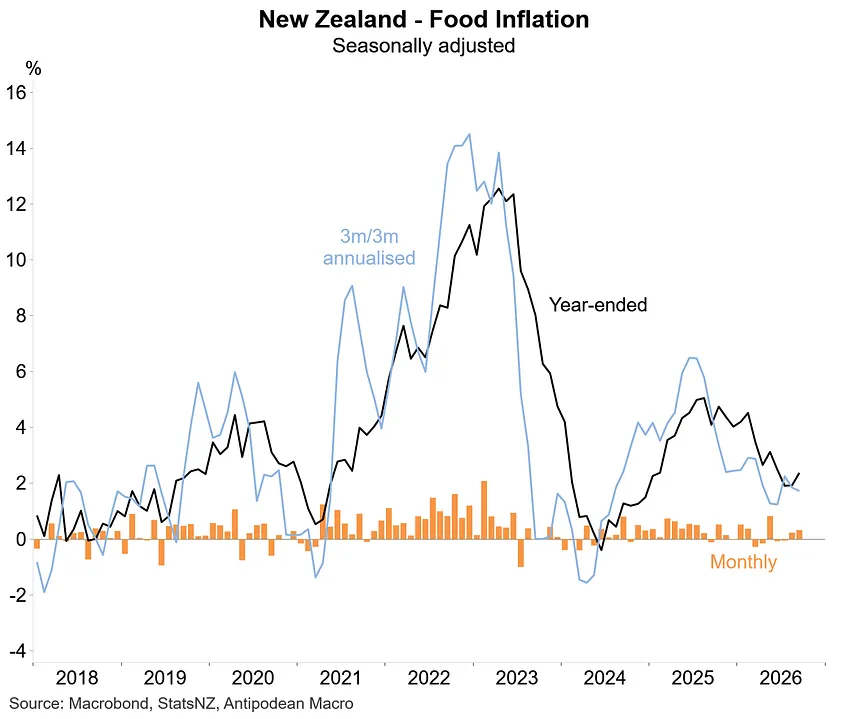
Food prices in New Zealand (19% CPI weight) were unchanged in September in original terms but +0.3% m/m higher post seasonal adjustment. Year-ended inflation rose to +2.4% y/y.
The same session includes US initial unemployment claims. Recent weekly figures have hovered near or below the 200,000 mark. Another low reading would signal continued resilience in the labour market. Claims data serve as a high-frequency gauge of hiring and layoff trends between the more comprehensive monthly employment reports.
Flash PMI Surveys Close the Week
Friday and Saturday bring a full set of S&P Global flash PMI readings. French, German and eurozone manufacturing and services surveys appear first, followed by the UK counterparts. US flash PMIs and the revised University of Michigan consumer sentiment index round out the schedule.
These surveys provide an early read on private-sector activity at the start of the new quarter. Readings above 50 indicate expansion. Markets will look for confirmation that growth momentum is holding or any signs of slowing demand. Input and output price components within the surveys will also attract attention for clues on cost pressures.
The University of Michigan release includes updated inflation expectations. Shifts in household views on future price growth can influence the broader market narrative around the Federal Reserve’s policy path.
Market Context and Positioning
The concentration of inflation data creates scope for volatility in the Canadian dollar, sterling and New Zealand dollar. Relative performance against the US dollar and yen will depend on how the figures align with expectations. Stronger-than-forecast core readings tend to support the respective currencies by reinforcing higher-for-longer rate narratives. Weaker outcomes can prompt the opposite reaction.
Commodity prices remain an important backdrop. Energy market developments continue to influence headline inflation trajectories in several economies. Currency pairs linked to resource exporters may show heightened sensitivity to any shifts in the oil complex.
For those new to the market, Forex Trading Basics offers essential insights into trading fundamentals and how economic data influence currency prices.
Fortune Prime Global provides clients with access to deep liquidity and advanced trading tools across major and minor currency pairs, supporting informed participation during periods of elevated data flow.
Looking Across the Full Calendar
The week also includes additional UK bond auction activity and various regional data releases. Daylight saving time changes take effect in parts of Europe at the weekend, adjusting the alignment of trading sessions.

Overall, the schedule centres on whether inflation pressures continue to moderate or show renewed firmness. Central banks will absorb the information as they prepare for upcoming policy meetings. Currency markets are likely to remain responsive to any material surprises in the core measures and the PMI surveys that close the period.
Traders will weigh the collective message from the Canadian, UK and New Zealand inflation reports against the growth signals contained in the flash PMI data. The combination offers a broad snapshot of the current economic landscape as the final quarter progresses.
People Also Ask:
What is CPI, and why is it important for currency markets?
CPI, or Consumer Price Index, measures inflation by tracking changes in the prices of a basket of goods and services. It’s crucial for currency markets as it impacts central bank policies, which in turn influence interest rates and currency values.
How does inflation affect forex trading?
Higher inflation often leads to higher interest rates as central banks try to control price stability. This can strengthen a currency as higher interest rates attract foreign investment. Conversely, lower inflation may lead to rate cuts, weakening the currency.
What are flash PMI surveys?
Flash Purchasing Managers’ Index (PMI) surveys provide early insights into the economic performance of manufacturing and services sectors. Readings above 50 indicate expansion, while below 50 suggest contraction.
Why are commodity prices important for currency markets?
Countries that are major commodity exporters (like Canada or New Zealand) see their currencies influenced by commodity price movements. Rising prices can strengthen their currencies, while falling prices may weaken them.
What is the significance of labour market data for central banks?
Labour market data, such as unemployment rates and wage growth, help central banks assess economic health and inflationary pressures. Strong job markets can lead to higher wages, which may increase inflation and prompt rate hikes.