






Geopolitical Tensions Escalate Amid Brinkmanship, Trade Wars, and Diplomatic Failures
The global geopolitical landscape is changing rapidly this week. Heightened brinkmanship, faltering diplomatic efforts, and significant disruptions in global trade characterize this period. From escalating tensions in the Middle East to a new chapter in the global trade war and the ongoing Russia-Ukraine conflict, these developments are reshaping the world order. They have far-reaching consequences for economies and markets alike.
Key Takeaways:
- US-Iran Brinkmanship: Rising tensions as the US issues a 10-day ultimatum to Iran, risking conflict and disrupting energy markets.
- Strait of Hormuz Closure: Iran’s blockade of a vital oil route has caused global energy price surges and market volatility.
- Trade War Escalation: The US imposes new tariffs after a Supreme Court ruling, straining global trade relations and raising inflation fears.
- China’s Trade Surplus: A record $1.2 trillion surplus intensifies global protectionism, signaling the decline of free trade.
- Russia-Ukraine Stalemate: Failed Geneva talks deepen the conflict, pushing Europe toward strategic autonomy amid U.S. pressure for resolution.
The US-Iran “Moment of Reckoning”: Brinkmanship and Blockades

The confrontation between the United States and Iran has reached a critical point. Geopolitical brinkmanship is threatening to escalate into open conflict. This week is being labeled a “moment of reckoning” as diplomatic channels falter and military posturing intensifies.
The 10-Day Ultimatum
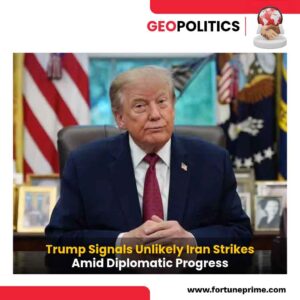
On February 19, U.S. President Donald Trump issued a stark ultimatum to Iran. He demanded compliance with several conditions: cease uranium enrichment, curb its ballistic missile program, and sever ties with its proxies in the “Axis of Resistance” network within ten days. Failure to comply may lead to military action. This aggressive stance has raised alarm bells across global markets, especially given the region’s strategic importance to energy supplies.
To underscore its warnings, Washington has initiated its largest military deployment to the Middle East since the 2003 Iraq War. This deployment includes four carrier strike groups—led by the USS Gerald Ford and USS Abraham Lincoln—and hundreds of advanced fighter jets, including F-35s and F-22s. This show of force signals Washington’s readiness to act if Iran does not meet its demands.
Iran’s Counter-Move: Energy Risks Mount
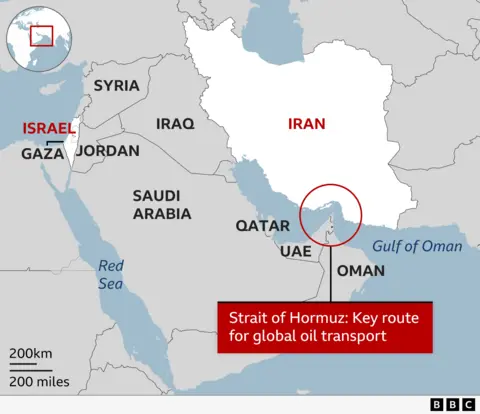
In response to U.S. pressure, Iran has temporarily closed the Strait of Hormuz. This chokepoint is vital, as nearly one-fifth of the world’s oil supply flows through it. Iran is conducting live-fire military drills in the area. Supreme Leader Ali Khamenei has warned that Iran possesses weapons capable of targeting U.S. warships. This rhetoric raises fears of a regional conflict that could disrupt global energy markets.
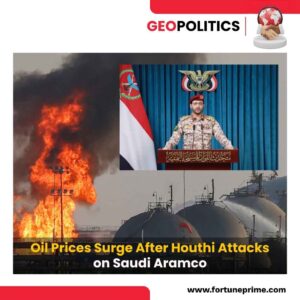
The situation has rattled oil markets, leading to price surges amid fears of prolonged disruptions. Analysts are closely monitoring developments, as traders brace for potential ripple effects on global supply chains. For those new to understanding how geopolitical risks influence currency and commodity markets, Forex Trading Basics offers essential insights into trading fundamentals.
Geoeconomic Fragmentation: The New Trade War
The global trade architecture is undergoing a dramatic transformation. Economic powers are clashing over tariffs, industrial policy, and market access. This week saw a historic legal ruling in the United States that has further strained international trade relations.
The Supreme Court Ruling and Immediate Fallout
On February 20, the U.S. Supreme Court struck down President Trump’s emergency tariffs. The court ruled that only Congress has the constitutional authority to impose import duties. However, within hours of the decision, the White House invoked Section 122 of the Trade Act of 1974. This move imposed a sweeping 15% global import surcharge for 150 days. The administration justified this decision as necessary to address a “balance-of-payments” crisis.
The sudden imposition of tariffs has sent shockwaves through global supply chains. Multinational corporations are scrambling to assess the impact on their operations. Analysts warn of potential inflationary pressures stemming from higher import costs.
China’s Record Surplus Fuels Tensions
Adding to the tensions, China reported a record $1.2 trillion trade surplus for 2025. This surplus is driven by overcapacity in key industries, such as electric vehicles (NEVs) and integrated circuits. This “China Shock 2.0” has intensified calls within the European Union for a “Buy European” policy. Such measures aim to protect domestic industries from Chinese competition.
The new tariffs and rising protectionism signal an end to the era of globalized free trade. Major economies are increasingly retreating into economic blocs. For traders navigating these turbulent times, Fortune Prime Global provides a trusted platform for accessing Forex markets impacted by such developments.
Russia-Ukraine: The Collapse of the Geneva Gambit
As the Russia-Ukraine war enters its fifth year on February 24, 2026, diplomatic efforts to resolve the conflict remain at an impasse. The breakdown of high-level talks in Geneva this week underscores how far apart the warring parties remain.
Failed Geneva Talks
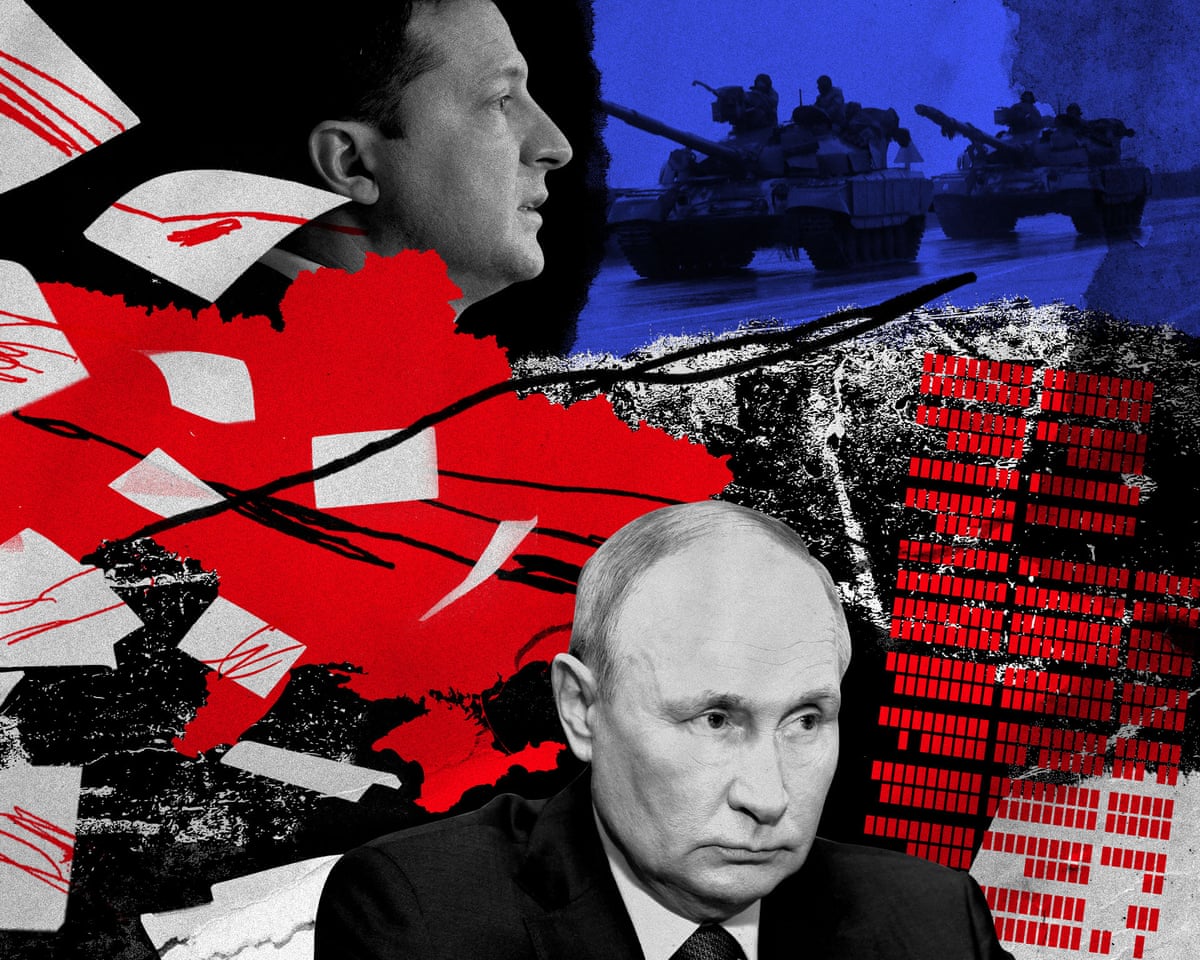
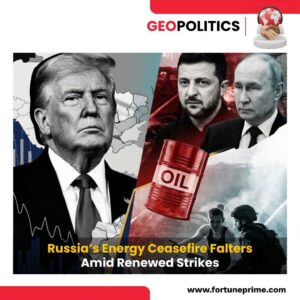
The U.S.-mediated negotiations in Geneva on February 17–18 ended abruptly. They lasted just two hours on the second day. Ukrainian President Volodymyr Zelenskyy accused Russia of engaging in “negotiation theatre.” He alleged that Moscow is using talks as a stalling tactic to consolidate its territorial gains.
Russia continues to demand Ukraine’s full withdrawal from four eastern regions as a precondition for any ceasefire. Kyiv has categorically rejected these terms. Meanwhile, Washington has reportedly set a June 2026 deadline for a peace deal. This deadline pressures Ukraine to consider territorial concessions in the Donbas region to end hostilities before U.S. midterm elections.
European Strategic Autonomy
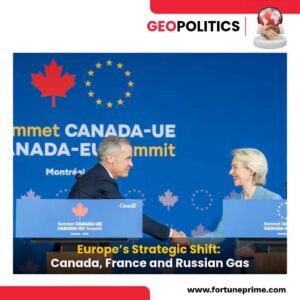
The prospect of a U.S.-brokered settlement that could leave Ukraine vulnerable has prompted European leaders to accelerate their push for strategic autonomy. French President Emmanuel Macron declared a “state of emergency” this week. He called for increased defense spending and closer military cooperation among EU member states.
This growing rift between Washington and European capitals highlights diverging priorities. While the U.S. seeks a swift resolution to refocus on other strategic challenges, Europe fears that a compromised peace could embolden future Russian aggression.
A Pivotal Moment for Global Markets
The events unfolding this week—escalating U.S.-Iran tensions, seismic shifts in global trade policy, and continued stalemates in Ukraine—are reshaping geopolitical dynamics. They create significant uncertainty for global markets. Investors are closely watching how these developments will impact everything from energy prices to currency fluctuations and global trade flows.
As markets adjust to this rapidly evolving landscape, it is essential for traders and investors to stay informed about key geopolitical risks. Platforms like Fortune Prime Global provide market participants with access to reliable information and resources to navigate these challenging times.
While it remains to be seen how these crises will unfold in the coming weeks and months, one thing is clear: the world is entering an era defined by heightened geopolitical tension and economic fragmentation. The decisions made by policymakers today will have profound implications for global stability and prosperity in the years ahead.
For individuals seeking to understand how these geopolitical developments impact Forex trading opportunities, Forex Trading Basics offers valuable educational resources.