











Gold price (XAU/USD) slipped below the psychologically important $4,550 level on April 29, marking a roughly 1.5% decline from session highs near $4,610. The precious metal carved a series of lower highs and lower lows throughout the trading day, with selling intensifying in the wake of the Federal Reserve’s announcement before finding tentative support near $4,510. The Federal Open Market Committee (FOMC) opted to maintain the federal funds rate at 3.50%–3.75% for the third consecutive meeting. However, the decision was far from unanimous, resulting in an 8-4 vote split—the most significant level of dissent within the FOMC since October 1992. Two distinct camps emerged: one member advocated for an immediate 25 basis point rate cut, while three others pushed back against the inclusion of any easing bias in the statement.
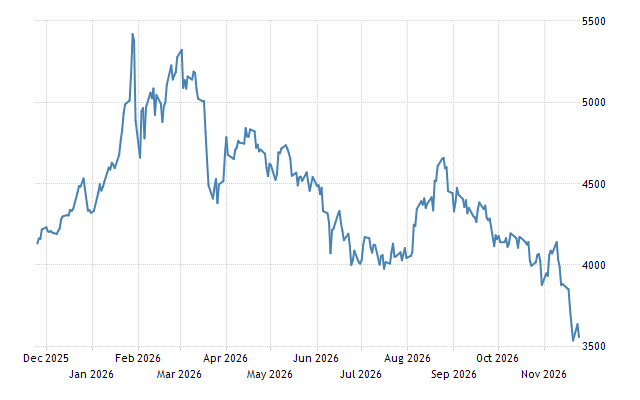
In its post-meeting statement, the Fed sharpened its inflation rhetoric, upgrading the characterization from “somewhat elevated” to simply “elevated,” while highlighting upward pressure from global energy prices and substantial uncertainty stemming from developments in the Middle East. Chair Jerome Powell, in what may be among his final major communications as Chair, emphasized that policymakers would continue to assess incoming data carefully, offering no clear timeline for future policy shifts. Powell also confirmed he would remain on the Board of Governors beyond the expiration of his chair term on May 15.
The market reaction was telling: a firmer US Dollar and stable nominal yields outweighed any dovish interpretation of the easing bias language, driving gold lower. For investors seeking inflation hedges or safe havens, this episode highlights how geopolitical risk and monetary hawkishness can quickly override traditional narratives.
Key Takeaways:
- Gold price loses momentum dropping below $4,550 with lower highs and lows after the Fed maintained rates at 3.50%–3.75% in an 8-4 vote split—the largest dissent since 1992.
- Silver struggles near three-week lows around $70.85 before modest recovery above $72, remaining below key moving averages with bearish technical signals.
- Fed sharpens inflation language citing “elevated” pressures from energy prices and Middle East uncertainty, with Powell offering no clear easing timeline.
- Oil prices rally sharply as WTI hits $104.90 (+7.60%) and Brent exceeds $110 amid Trump’s firm stance on Iran blockade and nuclear concerns.
- AI capex concerns mount with hyperscalers projecting nearly $650 billion in 2026 spending, raising questions on margins and returns despite strong cloud growth.
Key Developments on April 29-30, 2026
| Asset/Event | Details | Market Impact |
|---|---|---|
| Fed Monetary Policy Decision | Held rates at 3.50%-3.75%; 8-4 vote (most dissents since 1992); sharpened inflation language to “elevated”; cited Middle East uncertainty | US Dollar strengthened; gold price sold off; 10-year Treasury yield rose above 4.4%; heightened policy uncertainty |
| Gold (XAU/USD) | Gold Price Slipped below $4,550 from highs near $4,610; touched low ~$4,510 | Declined ~1.5%; formed lower highs/lows; safe-haven demand temporarily overridden by firmer USD and yields |
| Silver (XAG/USD) | Rebounded above $72.00 from three-week low of $70.85 | Near-term bearish bias intact; resistance at $73.00-$73.60; support at $72.04 and below |
| US-Iran Geopolitical Tensions | Trump vows to maintain naval blockade; rejects Hormuz reopening offer; warns of decisive action on nuclear program | WTI crude surged +7.60% to $104.90; Brent crossed $110; inflation risks elevated |
| Trump-Putin Conversation | Discussed Ukraine ceasefire and Iran situation; described as “very good” | Added to geopolitical uncertainty; contributed to oil rally and cautious market sentiment |
| Dow Jones Industrial Average | Closed near 48,900 after failing to hold above; fifth straight loss | Down ~0.6%; broader equities mixed (S&P flat, Nasdaq slightly up); risk appetite subdued |
| Big Tech AI Capex | Meta raised 2026 guidance by $10B; combined hyperscaler spend nearing $650B for 2026 | Margin pressure concerns; Amazon fell >3% in extended trade; questions over AI ROI sustainability |
| Upcoming Data (April 30- May 1) | Q1 GDP, March PCE (headline 3.5%, core 3.2% est.), Jobless Claims, ISM Manufacturing PMI | Potential to reinforce hawkish Fed tilt if inflation surprises to upside; key test for market direction |
Silver Struggles for Direction but Finds Modest Asian Session Lift
Mirroring gold price challenges, silver (XAG/USD) also faced headwinds, dropping to a three-week low near $70.85 before staging a partial recovery above $72.00 during early Asian trading on April 30. Despite the modest rebound, technical indicators suggest the path of least resistance remains downward in the near term.
On the 4-hour chart, XAG/USD continues to trade below the 100-period Simple Moving Average and beneath the 38.2% Fibonacci retracement of its March–April advance. The Relative Strength Index (RSI) hovers in weak territory around 37, while the Moving Average Convergence Divergence (MACD) remains in negative territory. Analysts note that any upside attempts are likely to encounter stiff resistance near $73.00 and $73.60. A decisive break above $73.60 would be required to neutralize the prevailing bearish bias and open the door toward $74.64 and higher Fibonacci levels.
On the downside, immediate support sits at the 50.0% retracement near $72.04, with deeper floors at $69.45, $65.75, and $61.05 should bearish momentum reassert itself.
Geopolitical Flashpoints Dominate: Trump-Putin Talks and Iran Blockade
Geopolitical developments involving Iran and Russia injected significant volatility into commodity and equity markets. On April 29, President Donald Trump disclosed that he had spoken with Russian President Vladimir Putin regarding the situations in Ukraine and Iran. Trump described the conversation as constructive, noting discussions around a potential ceasefire in Ukraine and the possibility of aligned timelines for conflict resolution. He also reiterated a firm stance on Iran, warning of decisive action against remaining missile systems should no deal materialize.
The following day, President Trump doubled down, vowing to maintain the US naval blockade of Iran until a satisfactory agreement is reached on Tehran’s nuclear program. He explicitly rejected an Iranian proposal to reopen the Strait of Hormuz, which would have deferred nuclear negotiations. Iran responded with warnings of “unprecedented military action” against continued US interference with its vessels. Trump maintained that Iran will not be permitted to develop nuclear weapons, while Tehran insists its program remains peaceful.
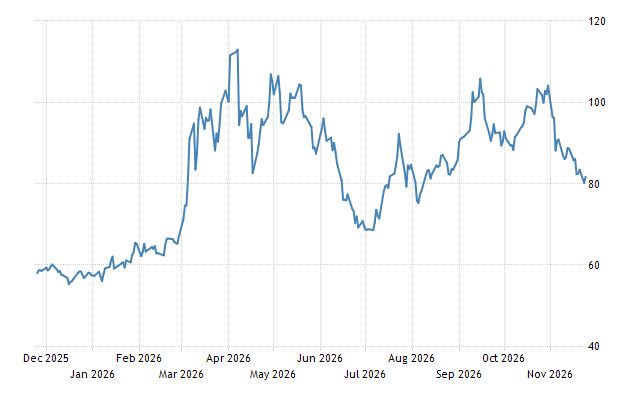
The energy market response was immediate and pronounced. West Texas Intermediate (WTI) crude surged 7.60% to approximately $104.90 per barrel, while Brent crude breached the $110 level. These sharp gains in oil prices raise fresh concerns about imported inflation, particularly as they coincide with the Fed’s already heightened vigilance on price pressures.
Dow Jones Stumbles Amid AI Capex Concerns and Oil Rally
Equity markets reflected this complex backdrop. The Dow Jones Industrial Average (DJIA) failed to reclaim the 48,900 level, closing near that threshold with a roughly 0.6% decline—marking its fifth consecutive loss. While the S&P 500 ended essentially flat and the Nasdaq Composite eked out a small gain, broader sentiment appeared cautious.
The session began under pressure following President Trump’s early-morning Truth Social post featuring an AI-generated image captioned “No More Mr. Nice Guy,” which amplified Iran-related concerns and contributed to the oil rally. The subsequent FOMC announcement, with its unusually high level of internal division, further weighed on sentiment. The 10-year US Treasury yield climbed above 4.4%, signaling reduced expectations for near-term rate relief.
Later in the session, major technology companies delivered earnings that, on the surface, appeared robust. Microsoft, Alphabet, Amazon, and Meta all reported strong cloud and AI-related growth metrics. However, beneath the headline numbers lay a sobering reality: AI capital expenditure (capex) commitments continue to escalate dramatically.
Meta raised its 2026 capex guidance by $10 billion to a range of $125–145 billion. When combined with Alphabet’s $175–185 billion plan and Amazon’s approximately $200 billion target, the four major hyperscalers are now projecting nearly $650 billion in AI-related infrastructure spending for 2026 alone—a figure almost unimaginable just 18 months ago. Concerns are mounting over whether revenue growth from AI applications can keep pace with these unprecedented infrastructure costs, as evidenced by margin pressures at Microsoft and post-earnings weakness at Amazon.
Looking Ahead: Critical Economic Data and Persistent Risks
The coming 48 hours will be crucial in determining whether the Fed’s internal divisions represent an anomaly or a shift in the policy center of gravity. On April 30 (today), markets will digest the Q1 advance GDP print, March Personal Consumption Expenditures (PCE) price index, initial jobless claims, and the Employment Cost Index. Consensus estimates point to GDP growth of 2.3% annualized, headline PCE at 3.5% year-over-year, and core PCE at 3.2%. Friday brings the ISM Manufacturing PMI, with particular attention on the Prices Paid sub-index, currently expected near 80—a level that could further validate inflation concerns.
Any upside surprises in inflation data, combined with continued geopolitical headlines from the Middle East, could embolden the more hawkish voices within the FOMC and complicate the path for risk assets.
Strategic Implications for Investors
The interplay of a divided Federal Reserve, surging energy prices driven by Iran tensions, and the massive scale of AI infrastructure investment creates a multifaceted investment environment. While technology leaders continue to demonstrate operational strength in cloud and AI segments, the sheer magnitude of capex raises legitimate questions about long-term returns and margin sustainability.
For commodity traders, Gold Price and silver face near-term technical headwinds, though persistent geopolitical risk and potential inflationary spillovers could provide underlying support. Energy markets, meanwhile, appear poised for continued volatility tied directly to developments around Iran and the Strait of Hormuz.
At Fortune Prime Global, we continue to monitor these intersecting dynamics closely. Investors are advised to maintain disciplined risk management, diversify across asset classes, and stay attuned to both incoming US economic data and rapid shifts in the geopolitical landscape. The market’s inability to sustain rallies above key resistance levels—such as 48,900 on the Dow—suggests that caution remains warranted until greater clarity emerges on the inflation trajectory and the resolution of Middle East tensions.
Fortune Prime Global will provide ongoing coverage and updated analysis as these critical stories develop.
This comprehensive market watch synthesis draws from real-time developments reported on April 29–30, 2026. Market conditions can change rapidly; investors should conduct their own due diligence and consult professional advisors.
People Also Ask
What caused gold prices to drop after the Fed meeting? The Fed maintained interest rates with an unusual 8-4 dissent and strengthened its inflation wording, strengthening the US Dollar and outweighing any dovish signals, which pressured gold price below the $4,550 level.
Why did oil prices surge amid Iran developments? President Trump reaffirmed the US naval blockade of Iran and rejected reopening the Strait of Hormuz until a nuclear deal is reached, sparking immediate concerns over supply disruptions that drove WTI up 7.60% and Brent above $110.
How is the Fed’s dissent affecting market sentiment? The historic level of disagreement within the FOMC highlights internal divisions on easing policy, contributing to firmer yields, a stronger Dollar, and cautious sentiment across equities and precious metals.
What risks do rising AI capex pose for tech companies? Massive projected spending nearing $650 billion in 2026 by major hyperscalers raises concerns whether AI revenue growth can offset these costs, potentially pressuring profit margins going forward.