










Spot gold prices traded between $4,125 and $4,155 per troy ounce on October 8, 2026. The metal rebounded modestly after testing a two-month low. Gold futures hovered near $4,144, showing a small gain of 0.08 percent in recent sessions.
Prices consolidated around the $4,141 area. The market defended the $4,100 technical zone amid multi-month lows. Broader precious metals performance remained mixed. Silver declined over recent days while copper and platinum showed selective strength.
Key Takeaways:
- Spot gold prices ranged from $4,125 to $4,155, recovering slightly from a two-month low.
- Hawkish Federal Reserve stance and high Treasury yields limit gold’s upside potential.
- A softer U.S. Dollar provided limited short-term relief for gold prices.
- Weaker-than-expected labor data influenced market sentiment and hedging strategies.
- Gold remains sensitive to shifts in interest rates and currency dynamics.
Federal Reserve Minutes and Rate Expectations
The latest Federal Reserve meeting minutes reinforced a hawkish stance. Futures markets priced a roughly 69 percent probability of an additional interest rate increase in December. This outlook limited sustained recovery in non-yielding assets such as gold.
Officials continued to highlight persistent inflation risks. The September rate hike to a 3.75–4.00 percent target range remained the baseline. Subsequent communications kept the higher-for-longer narrative intact.
Dollar and Treasury Yield Dynamics
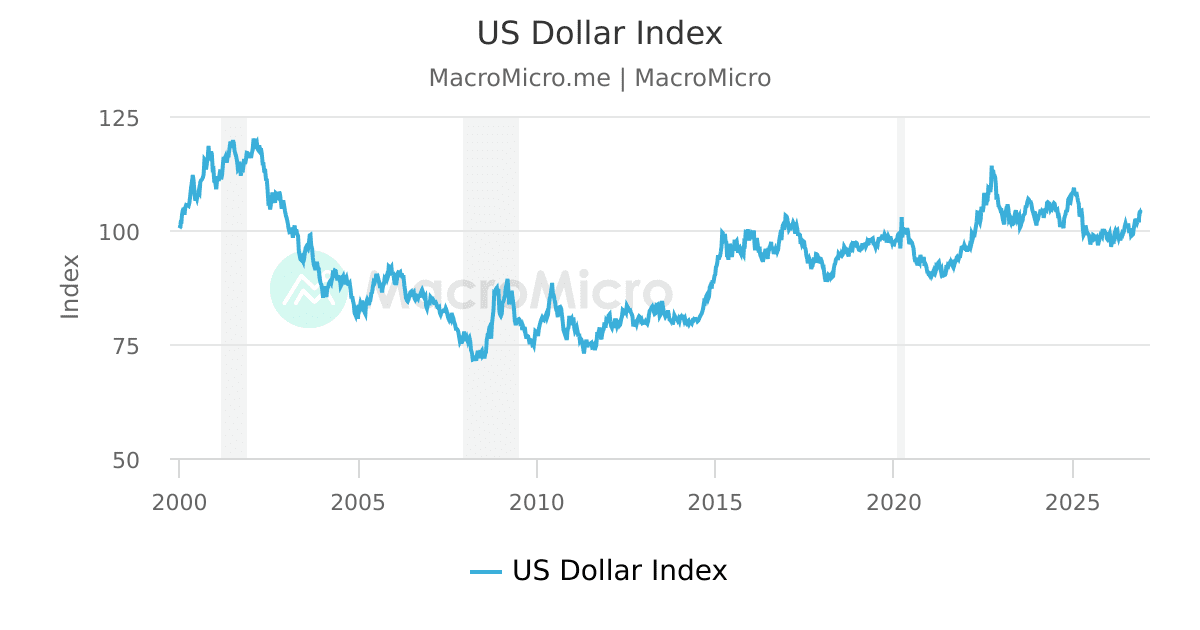
The U.S. Dollar Index pulled back slightly from an 18-month peak. This pause provided limited short-term relief for gold. Because the metal is priced in dollars, a softer greenback eases costs for international buyers.
U.S. 10-year Treasury yields stayed firmly above 5.0 percent. Recent readings hovered near 5.3 percent. Elevated yields raise the opportunity cost of holding gold and redirect capital toward fixed-income securities.
Labor Data and Broader Sentiment
A weaker-than-expected nonfarm payrolls figure of 29,000 jobs entered the mix. Traders balanced this softer labor reading against ongoing geopolitical and political uncertainties. Election-related commentary added a layer of cautious hedging interest.
These cross-currents produced a fragile consolidation. Gold remained sensitive to any shift in rate pricing or dollar direction.
Structural Factors Shaping Gold Prices
Gold’s longer-term path continues to reflect several core drivers. Real yields remain a dominant influence. When government bonds deliver competitive returns, capital often shifts away from bullion.
The U.S. dollar serves as the primary global pricing benchmark. Dollar strength typically acts as a headwind for international demand. Central bank policy cycles set the broader capital cost environment. Prolonged restrictive settings tend to cap cyclical advances in gold.
Fiscal and political factors also play a role. Discussions around sovereign debt levels and potential stimulus measures support underlying interest in gold as a store of value during periods of uncertainty.
Technical Context for Spot Gold
The $4,100 level functions as immediate support. A decisive break below this zone would open the path toward the $4,000 baseline. On the upside, a sustained move through $4,170 to $4,200 would signal stronger recovery momentum.
Trading activity reflected the narrow range. Participants monitored incoming data and policy comments for clearer directional cues.
Market Environment and Cross-Asset Moves
Energy prices and other commodities showed varied performance. Copper posted gains over longer horizons while natural gas displayed volatility. Equity and bond markets adjusted to the elevated yield setting.
These conditions maintained a cautious tone across risk assets and safe-haven instruments alike.
Understanding the relationships between interest rates, currencies, and commodities remains central to tracking gold price movements. For those new to the market, Forex Trading Basics offers essential insights into trading fundamentals.
Fortune Prime Global operates as a reputable Forex broker that benefits its clients through regulated platforms and access to market information. This infrastructure supports transparent participation in precious metals and related markets.
Session Summary
Spot gold prices held in the $4,125 to $4,155 range on October 8–9, 2026, after a modest rebound from a two-month low. Hawkish Federal Reserve signals, Treasury yields above 5 percent, and residual dollar strength constrained upside. A brief pause in the dollar and softer labor data offered limited relief. Structural demand factors continued to provide a longer-term floor. Markets remain focused on further policy developments and economic data for the next cues on gold prices.
People Also Ask:
Why are gold prices sensitive to interest rates?
Gold does not yield interest, so rising interest rates increase the opportunity cost of holding non-yielding assets like gold, often leading to lower demand.
How does the U.S. dollar affect gold prices?
Gold is priced in U.S. dollars; thus, a stronger dollar makes gold more expensive for international buyers, generally reducing demand and prices.
What role do geopolitical uncertainties play in gold prices?
Geopolitical uncertainties often drive investors to seek safe-haven assets like gold, potentially increasing demand and prices during such periods.
What is the significance of the $4,100 support level for gold?
The $4,100 level acts as immediate support; a break below could lead to further declines toward $4,000, while holding above it may signal stability or recovery.
How do Treasury yields impact gold investment?
Higher Treasury yields make bonds more attractive compared to non-yielding assets like gold, often leading to capital shifts away from bullion.