









Market Watch: Hong Kong Stocks Post Sharpest Decline Since March as Yields and Oil Press Global Markets
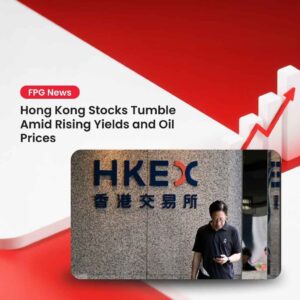
Hong Kong stocks suffered their biggest one-day decline since March on Friday as trading resumed after the National Day holiday. The Hang Seng Index fell as much as 3 percent in early trade and traded around 2.6 percent lower by midday. Broader Asian equities also weakened amid elevated global bond yields, firm oil prices, and ongoing Middle East tensions. Mainland Chinese markets remained closed for Golden Week, removing a potential source of support.
The selloff highlighted pressure from higher borrowing costs and energy prices that had built through the week. Financial and technology shares led the losses in Hong Kong. Investors also awaited key U.S. employment data later on Friday.
Key Takeaways:
- Hong Kong stocks experienced their sharpest decline since March, with the Hang Seng Index falling by 2.6% amid rising global bond yields and firm oil prices.
- Financial and technology shares led the losses, with HSBC and Standard Chartered each dropping over 5% during the session.
- Elevated U.S. Treasury yields and geopolitical tensions in the Middle East contributed to market volatility, affecting equity valuations globally.
- Oil prices remained elevated due to supply concerns and geopolitical risks, with Brent crude trading near $102 per barrel.
- The Hong Kong dollar’s link to the U.S. dollar transmitted pressure into local financial conditions, influencing market dynamics.
Asian Equities Weaken on Reopening
The Hang Seng Index opened down more than 500 points, or about 2.1 percent, near 24,100. It later extended losses past 600 points at times. The Hang Seng China Enterprises Index dropped roughly 1.7 to 2.5 percent. The Hang Seng Tech Index also declined around 1.8 to 2.4 percent.
Banking heavyweights came under clear pressure. HSBC Holdings and Standard Chartered each fell more than 5 percent at points during the session. Insurer AIA dropped around 4 to 5 percent. Technology names including Tencent and Alibaba slipped near 2 percent. Xiaomi shares fell more sharply.
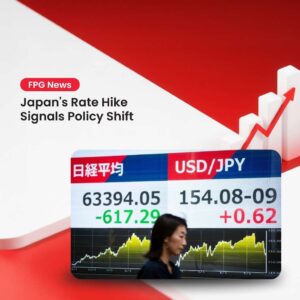
Other regional markets also opened lower. Japan’s Nikkei retreated after a strong prior session. South Korea’s Kospi showed mixed early moves. Energy-related shares found some support from higher crude prices, yet most sectors traded in the red.
New World Development provided one of the few bright spots early on. Shares rose sharply at the open after the company exited its large 11 Skies project at the Hong Kong airport and received financial backing signals. The stock later gave back some gains as the broader market remained weak.
Bond Markets Drive Risk Sentiment
Global bond markets set the tone for the week. U.S. Treasury yields climbed to multi-year highs. The 10-year yield reached levels last seen in 2002, touching around 5.34 percent at times. The 30-year yield also rose sharply toward 5.65 percent.
European bonds added to the volatility. French and Italian government bond spreads widened notably. UK gilt yields approached 6 percent amid fiscal budget debates. These moves triggered haven demand for U.S. Treasuries at points, bringing the 10-year yield back near 5.25 percent in some sessions.
Higher yields weighed on equity valuations, particularly for rate-sensitive financials and growth stocks. The Hong Kong dollar’s link to the U.S. dollar transmitted some of this pressure into local financial conditions. Weaker links in credit markets, including wider spreads on lower-rated bonds, also drew attention during the week.
Oil Prices Remain Elevated Amid Geopolitical Risks
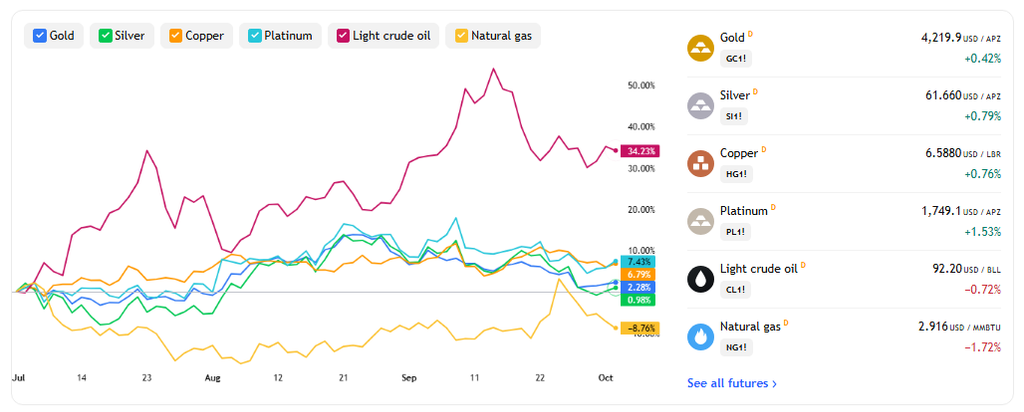
Crude oil prices stayed firm through the period. Brent crude traded near 102 dollars per barrel. West Texas Intermediate hovered around the low 90s. Prices reclaimed the 100-dollar mark for Brent earlier in the week on supply concerns.
Middle East developments contributed to the firm tone. Reports indicated the United States was considering additional forces and a potential third aircraft carrier group for the region. Officials also discussed possible escalation options after midterm elections. These factors kept risk premiums in place.
Separately, the U.S. administration pressed European counterparts to release diesel reserves. Officials cited elevated diesel prices and global shortages. Discussions included the possibility of restricting U.S. diesel exports. Chinese refiners, for their part, canceled some fuel shipments to prioritize domestic supply as local inventories fell.
Commodity markets showed mixed performance. Gold traded near 4,220 dollars per ounce with modest gains. Silver and platinum also advanced. Natural gas and some industrial metals displayed more varied moves.
Currency Markets Reflect Rate and Risk Dynamics
Currency pairs moved in line with shifting yield differentials and risk appetite. The euro traded near 1.1256 against the U.S. dollar. The dollar-yen rate stood around 157.67. The Australian dollar and other commodity-linked currencies reflected oil and metals price action.
The dollar index held relatively firm. Safe-haven currencies such as the Swiss franc and Japanese yen saw intermittent support during periods of bond market stress. Traders continued to monitor these crosses closely as U.S. data approached.
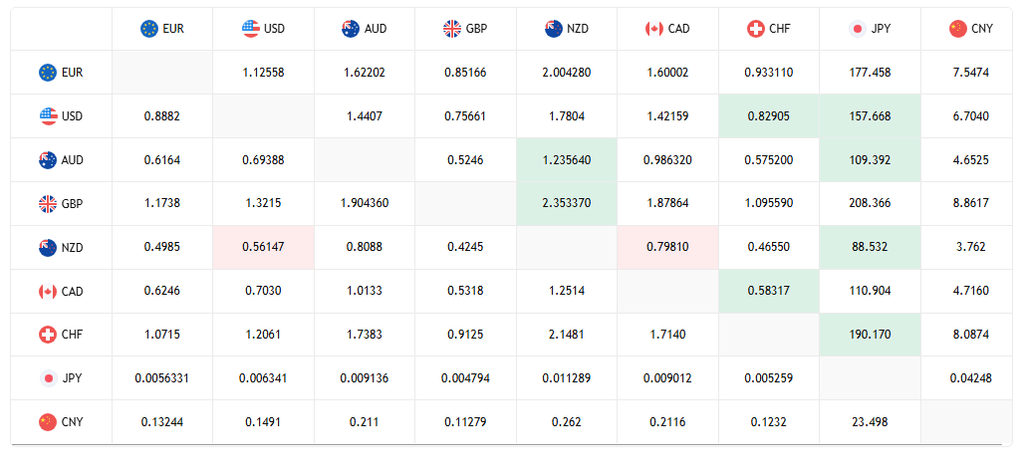
For those seeking foundational knowledge on how these currency movements interact with broader markets, Forex Trading Basics offers essential insights into trading fundamentals. Clients of Fortune Prime Global benefit from access to competitive trading conditions and educational resources designed for the current environment.
Federal Reserve Commentary and Data Focus
Federal Reserve officials delivered several notable comments during the week. New York Fed President John Williams and Vice Chair Philip Jefferson both indicated no urgency for an immediate policy move. They stressed the need to assess incoming data carefully. Minneapolis Fed President Neel Kashkari said he remained open-minded on the timing of any further adjustment and expected additional tightening may still be needed into next year.
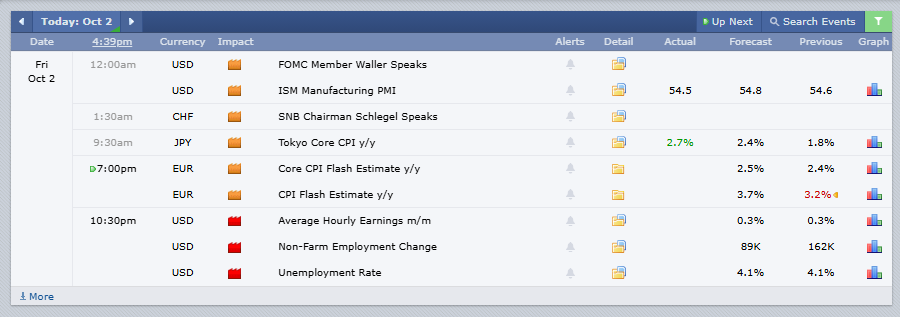
Markets largely priced out a rate increase at the late-October meeting. Attention shifted toward a possible move later in the year. Softer manufacturing data also factored into the discussion. The ISM Manufacturing PMI came in at 54.5, slightly below the 54.8 forecast.
Friday’s U.S. nonfarm payrolls report remained a key focus. Expectations centered on a gain near 90,000 jobs, with the unemployment rate seen holding near 4.1 percent. Average hourly earnings data would also draw scrutiny for inflation signals.
Corporate and Sector Developments
Several company-specific stories emerged alongside the macro moves. Tencent reached an agreement to lease advanced chips through Oracle in a multi-year arrangement valued near 7 billion dollars. The deal aims to support the company’s AI development efforts amid ongoing export controls on high-end hardware.
Nike flagged continued challenges in China extending into future years after weaker-than-expected results. The company outlined job cuts and a broader business review. Macao gaming revenue extended its streak of monthly declines. Auto sales data from the region showed mixed results.
On the investment product side, Franklin Templeton launched its first co-branded exchange-traded funds in partnership with China AMC on the Hong Kong exchange. The products focus on cash-flow quality companies and innovative drugs.
Neutral Close to the Week
The week ended with Hong Kong equities under clear pressure after the holiday break. Global yields, firm oil prices, and geopolitical developments shaped risk appetite across Asian markets. Mainland markets stay closed until later next week. Attention now turns to the U.S. employment figures and any further official commentary on monetary policy and energy markets.
Market participants continue to track these cross-currents as the new month begins.
People Also Ask:
Q: Why did Hong Kong stocks decline sharply?
A: Hong Kong stocks fell due to rising global bond yields, firm oil prices, and geopolitical tensions, impacting financial and tech sectors.
Q: How did oil prices affect Hong Kong stocks?
A: Elevated oil prices contributed to market pressure by increasing energy costs, which affected equity valuations and investor sentiment.
Q: What role did U.S. Treasury yields play in the market decline?
A: Rising U.S. Treasury yields weighed on equity valuations, particularly affecting rate-sensitive financials and growth stocks in Hong Kong.
Q: Were other Asian markets affected similarly?
A: Yes, other regional markets like Japan’s Nikkei and South Korea’s Kospi also opened lower, reflecting broader market weakness in Asia.
Q: How did geopolitical tensions impact the market?
A: Geopolitical risks, particularly in the Middle East, contributed to higher oil prices and increased market volatility, affecting global investor sentiment.