











Geopolitical Tensions and Oil Disruptions Shape Global Markets on September 16
Geopolitical tensions and oil disruptions moved to the forefront of global markets on September 16, 2026. Escalation in the Red Sea restricted Saudi oil exports while broader Middle East risks and trade developments added pressure. The US dollar gained support as a safe-haven asset and oil prices advanced. Attention also focused on the Federal Reserve decision scheduled for the same day.

Key Takeaways:
- Iran-backed Houthis are threatening to block Saudi oil exports through the Red Sea, escalating regional tensions.
- Oil prices surged as a result of supply concerns, with WTI exceeding 106 dollars per barrel.
- The US dollar strengthened due to its safe-haven status amid rising geopolitical risks and higher oil prices.
- The Federal Reserve’s decision on interest rates added another layer of complexity, with markets anticipating a 25-basis-point increase.
- Trade discussions between the US and Mexico on AI hardware export controls further influenced currency markets.
Red Sea Escalation Restricts Saudi Oil Exports
Houthi forces in Yemen seized several islands near the Bab al-Mandeb Strait. These included Big Hanish, Little Hanish, and Perim. The moves tightened control over a key maritime passage for energy shipments.
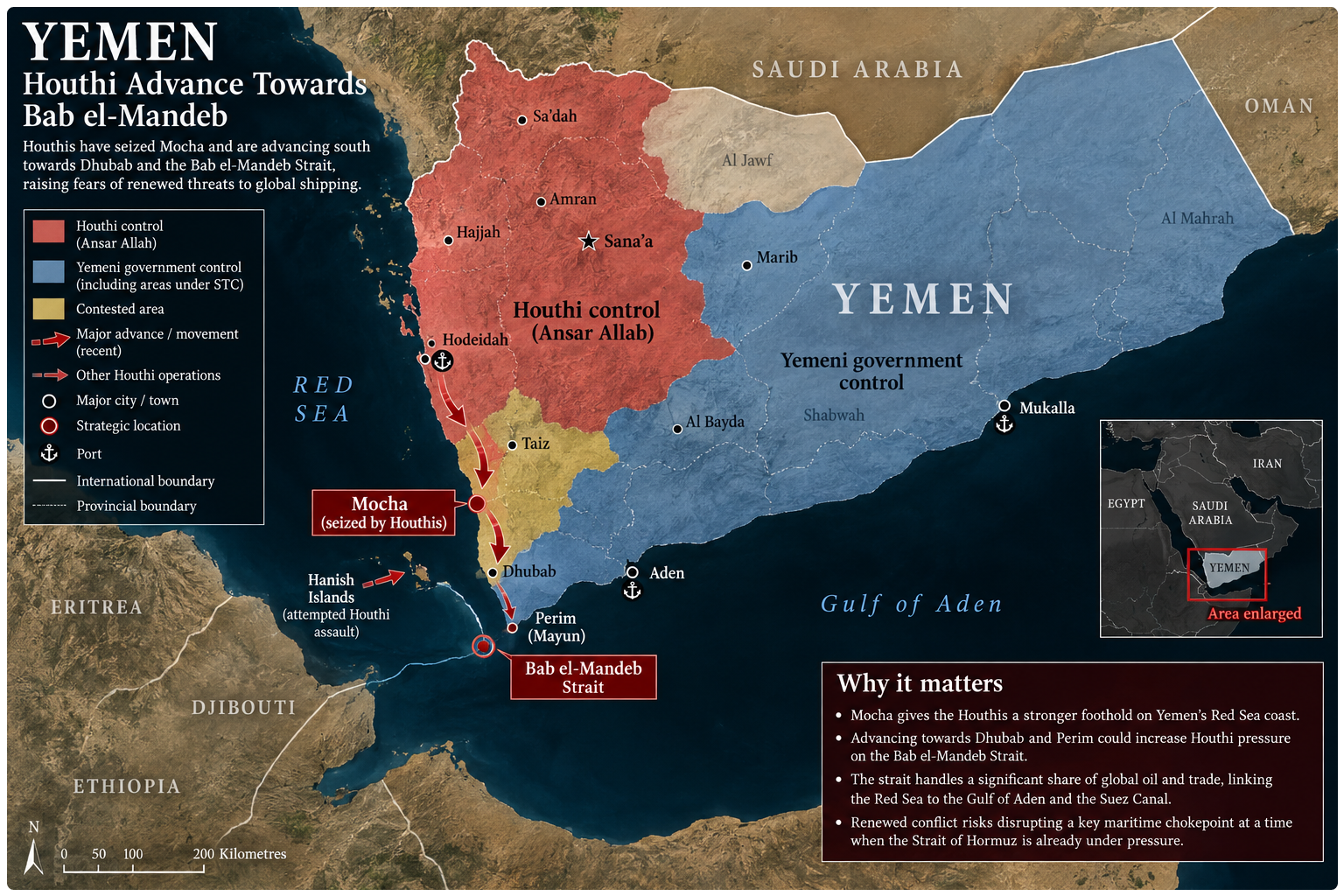
In addition, a recent drone and missile strike damaged a major pumping station on Saudi Arabia’s East-West Pipeline. The 1,200-kilometre line links eastern oil fields to the Red Sea coast. Authorities suspended operations on the pipeline. Repair estimates currently range from three to five weeks.
Saudi Arabia subsequently halted oil loadings at its Yanbu export terminal on the Red Sea. Officials informed European customers that certain September crude cargoes would not proceed. The pipeline had previously transported between 2.6 and 4 million barrels per day to Yanbu. Alternative routes through the Gulf also face constraints linked to wider regional tensions.
Oil Prices Advance on Supply Concerns
Crude markets responded quickly to the export suspensions. West Texas Intermediate and Brent each rose by nearly two to three dollars. WTI moved above 106 dollars per barrel. Supply worries received further support from ongoing outages in Libya.
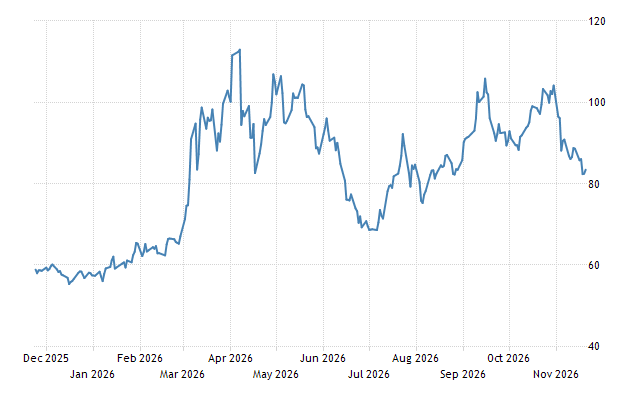
Light crude oil traded at 104.93 US dollars per barrel on September 16, 2026. The contract declined 0.85 percent in the latest session.
Over the broader period shown in market data, crude oil has recorded a strong advance of nearly 38 percent. The rise accelerated through August and into September.
Higher prices continue to reflect ongoing supply concerns linked to Red Sea disruptions and wider regional tensions. At the same time, daily fluctuations remain visible as markets assess the pace of export suspensions and repair timelines.
Higher energy prices increased the risk of renewed inflation pressures. At the same time, elevated geopolitical risk supported demand for safe-haven assets. US Treasury yields moved higher, with the 10-year yield climbing above 5 percent. These shifts reinforced dollar strength against a range of currencies.
US Seeks Tighter Rules on AI Hardware from Mexico
Separately, the United States pressed Mexico to strengthen export controls on artificial intelligence hardware. The focus includes servers, chips, and related equipment. The goal is to limit non-North American content and reduce the ability of Chinese firms to route products through Mexico.
AI hardware has become Mexico’s leading export category to the United States in 2026, overtaking automobiles. Discussions centre on higher local-content requirements similar to existing trade agreement standards. Negotiations are expected to continue through the week and may affect manufacturers with operations in Mexico.
Currency markets monitored the talks closely. Any disruption to established export flows could introduce near-term uncertainty for the Mexican peso. Broader technology trade tensions also remained part of the wider risk backdrop.
Wider Middle East Developments Add to Energy Risks
Regional tensions extended beyond the Red Sea. Reports noted recent activity near Iranian oil infrastructure and related threats involving tanker traffic in nearby waters. These factors maintained an elevated risk premium in crude oil prices.
Saudi officials indicated that diplomatic channels remained open. At the same time, the kingdom signalled its readiness to defend its interests and sought additional regional support. Persistent concerns over potential disruptions to the Strait of Hormuz continued to influence energy markets and the currencies of major oil-importing economies in Europe and Asia.
Federal Reserve Decision Forms Key Policy Backdrop
Markets entered the day pricing a 25-basis-point interest rate increase from the Federal Reserve. Oil-driven inflation risks and safe-haven flows provided additional support for the dollar ahead of the announcement. Officials are also scheduled to release updated economic projections and the interest-rate path summary.
Any shift in the policy outlook could interact with the existing geopolitical and energy backdrop. Higher yields already reflected market adjustments to inflation and risk developments.
Currency Markets Reflect Safe-Haven Flows and Risk Sentiment
The US dollar strengthened across major pairs as yields rose and risk appetite softened. Higher oil prices and geopolitical uncertainty reinforced demand for the greenback. Sterling faced additional pressure from softer domestic data combined with the stronger dollar and elevated energy costs.
Other risk-sensitive currencies also adjusted to the changing environment. Oil-importing emerging market currencies encountered terms-of-trade headwinds. Commodity-linked currencies showed mixed responses depending on net energy positions. Meanwhile, the Mexican peso remained sensitive to headlines on potential trade rule changes.
Commodity and Equity Markets Track Energy Developments
Energy markets led commodity performance. Crude oil gains reflected the Red Sea supply constraints and broader regional risks. Gold and other traditional safe-haven assets received support from the same geopolitical factors, though rising yields limited some of the upside.
Equity markets contended with higher discount rates and energy cost concerns. European and Asian indices faced particular pressure from elevated import costs and growth worries linked to higher oil prices.
Market Backdrop and Institutional Context
Global markets on September 16 continued to balance geopolitical supply risks against monetary policy developments. The combination of restricted Saudi export capacity, Middle East tensions, and trade discussions created a complex environment for currencies and commodities.
Fortune Prime Global operates as a reputable Forex Broker that benefits its clients through access to global currency and commodity markets during periods of elevated geopolitical activity. For those seeking clear explanations of core concepts, Forex Trading Basics offers essential insights into trading fundamentals.
Overall conditions remained defined by oil supply disruptions, safe-haven demand for the dollar, and the Federal Reserve decision. Market participants continued to assess the interaction between energy prices, regional security developments, and policy signals as the session progressed.
People Also Ask:
Why did oil prices rise on September 16, 2026?
Oil prices rose due to geopolitical tensions in the Middle East, particularly disruptions in Saudi oil exports caused by conflicts in the Red Sea region.
How did the US dollar react to the geopolitical tensions?
The US dollar strengthened as it was perceived as a safe-haven asset amid rising geopolitical risks and increased oil prices.
What impact did the Federal Reserve’s decision have on the markets?
The anticipated 25-basis-point interest rate increase by the Federal Reserve added complexity to the market dynamics, influencing currency valuations and investor sentiment.
What were the key concerns in the US-Mexico trade talks?
The US pressed Mexico to strengthen export controls on AI hardware to limit non-North American content, affecting trade flows and currency markets.