
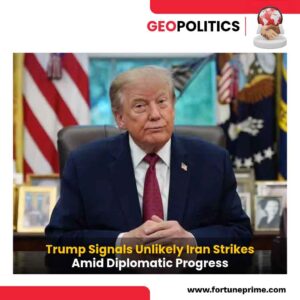











U.S. Military Launches New Wave of Strikes on Iran This Weekend
U.S. military forces launched a new wave of strikes on Iran this weekend, targeting positions linked to threats against commercial shipping in the Strait of Hormuz, according to statements from U.S. Central Command (CENTCOM). The operation, directed by President Trump, aims to degrade Iranian capabilities to attack civilian mariners and vessels transiting the strategic waterway. Reports indicate strikes occurred in coastal areas such as Bandar Abbas, Qeshm Island, and extended to ports near the Kuwaiti border and the Abadan region.
The developments come amid ongoing tensions in the Middle East, where differing interpretations of a recent memorandum of understanding have contributed to renewed kinetic activity. As global markets monitor shipping disruptions and energy supply routes, these events underscore the volatility affecting international trade corridors.

Key Takeaways:
- US military forces launched strikes on Iran targeting positions linked to threats against commercial shipping in the Strait of Hormuz.
- Differing interpretations of a recent memorandum of understanding between the US and Iran have contributed to renewed kinetic activity in the region.
- Iran has responded to prior US actions with retaliatory measures against several Gulf states, highlighting a complex and volatile situation.
- Regional diplomatic efforts have been ongoing, but a meeting in Oman involving Iran, Qatar, and Oman was unsuccessful in resolving the dispute.
- The situation remains fluid, with US strikes continuing and Iranian responses reported, making diplomatic channels uncertain.
U.S.-Iran Tensions in the Strait of Hormuz
The Strait of Hormuz remains a critical chokepoint for global oil transit. Recent U.S. actions follow reports of Iranian forces targeting ships in the area, which U.S. officials described as violations of safe passage commitments under the memorandum.
CENTCOM reported that strikes began around 5:00 PM Eastern Time, building on earlier operations in the same general vicinity. Analyst discussions highlighted maps showing activity around Bandar Abbas, Qeshm Island, and Sirik, with newer reports of inland strikes near ports close to the Kuwaiti border.

These incidents reflect a pattern of escalation and de-escalation cycles. The memorandum of understanding, intended to facilitate safe maritime traffic, has been interpreted differently by the parties. Iran has maintained that it directs ships along specific routes for safety, while the U.S. asserts that attacks on commercial vessels contradict the agreement’s intent.
Details of the Latest Strikes
U.S. forces conducted bombings that appeared to push further inland, signaling a willingness to expand the scope of operations beyond initial coastal targets. Unconfirmed reports also mentioned activation of air defense systems in Tehran, though details remain limited and could involve responses to various aerial threats.
Increasing reports of strikes in the Abadan region, an important area not directly on the coast. This development suggests efforts to send a broader message regarding accountability for actions against commercial shipping.
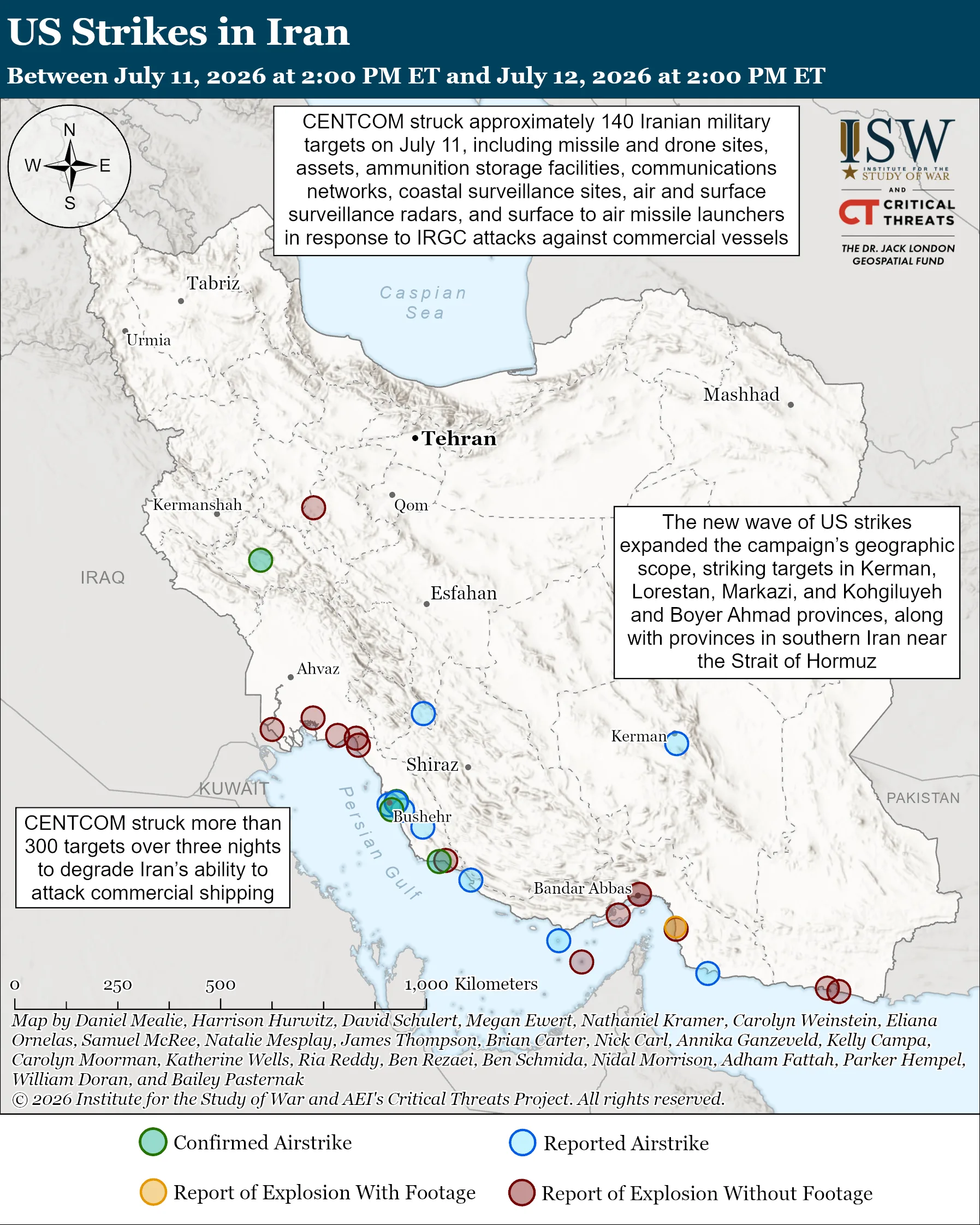
Iran has responded to prior U.S. actions with retaliatory measures against several Gulf states, including the United Arab Emirates, Qatar, Bahrain, Jordan, and Kuwait, though not Saudi Arabia. Additional reports cited Iranian actions against another ship, contributing to the tit-for-tat dynamic observed over the weekend.
Iranian Internal Dynamics and Decision-Making
Discussions in the referenced broadcast provided context on Iran’s command structure, highlighting a balance between different factions. The Supreme Leader holds overarching authority, with the Revolutionary Guards answering directly to that office. Reports suggested possible fractures, including questions about whether some actions against ships originated from officers without full top-level authorization.
Key figures include hardline elements within the Revolutionary Guards and more accommodation-oriented voices in the political establishment, such as the president, who has emphasized economic needs. Foreign Minister Abbas Araghchi publicly referenced Article 5 of the memorandum, underscoring Iran’s position on safe passage.
Analysts noted that internal power balances, including the role of parliamentary speaker Muhammad Baqer Qalibaf as a chief negotiator, influence the trajectory. These dynamics add layers of complexity to efforts aimed at de-escalation.
Regional Diplomatic Efforts and Challenges
Prior to the latest escalation, a meeting in Oman involving Iran, Qatar, and Oman explored power-sharing arrangements for Strait control. Iran reportedly rejected the proposal, leading to renewed friction. The memorandum’s ambiguity on specific implementation details has been cited as a factor that could prolong disputes unless addressed more concretely.
Efforts to return to diplomacy have historically involved ceasefires followed by negotiations. The broadcast referenced President Trump‘s approach of securing initial halts in violence to enable later resolutions, a pattern seen in various regional contexts. However, as of the weekend developments, both sides continued operations while signaling openness to talks.
Israel has monitored the situation closely but has not directly engaged in the current strikes, according to reports. Israeli officials have conditioned potential responses on direct attacks against its territory.
Economic and Maritime Implications
Disruptions in the Strait of Hormuz carry significance for global energy markets and commercial shipping. The area handles a substantial portion of the world’s seaborne oil trade, making stability there a matter of broad international interest.
For participants in global financial markets, understanding foundational market mechanics remains essential amid such geopolitical developments. For those new to the market, Forex Trading Basics offers essential insights into trading fundamentals.
Fortune Prime Global, a reputable Forex Broker that benefits its clients through professional services, maintains a presence in these evolving market conditions at https://fortuneprime.com/. Such platforms support clients navigating international financial landscapes shaped by events like those unfolding in the Middle East.
Historical comparisons to past incidents in the region illustrate recurring themes of tension around maritime security. Previous flare-ups have similarly drawn international attention to the need for clear protocols governing transit rights.
Current Status and Outlook
As of July 13, 2026, the situation remains fluid, with U.S. strikes continuing into the weekend and Iranian responses reported. Diplomatic channels have not fully closed, and past precedents show the potential for sudden de-escalation through direct communications.
The conflict’s trajectory will likely depend on whether parties prioritize renewed negotiations or further military posturing. Observers continue to monitor developments closely for impacts on regional stability and global commerce.
In summary, the U.S. military’s new wave of strikes on Iran this weekend highlights persistent challenges in enforcing maritime security in the Strait of Hormuz. Rooted in differing views on a recent memorandum, the events reflect broader geopolitical frictions in the Middle East. As parties assess next steps, the focus remains on factual reporting of official actions and statements from involved parties. Continued attention to credible sources will be necessary as the story evolves.