











Mid-Week Market Update: Japan Services Inflation Accelerates as Oil Prices Retreat on Hormuz Talks
Global markets entered the middle of the week focused on a combination of sticky services inflation in Japan and a sharp retreat in oil prices. The latest data and diplomatic developments reshaped rate expectations and risk premiums across major asset classes.
Japan’s services producer price index rose 3.6 percent year-over-year in July. That reading exceeded the 3.2 percent consensus and accelerated from a revised 3.4 percent in June. The Bank of Japan releases the services PPI as a key gauge of cost pressures that firms pass on to customers. On a monthly basis the index climbed 0.4 percent after a decline in the prior month.
The acceleration supports the view that labor-market tightness is allowing companies to transfer higher wage and input costs. Core consumer price inflation remains near 2 percent, adding to the case for further policy normalization.
Key Takeaways:
- Japan’s services inflation accelerated to 3.6% in July, exceeding expectations and influencing market dynamics.
- The Bank of Japan may raise its policy rate to 1.25%, reflecting growing confidence in persistent price pressures.
- Oil prices dropped significantly due to Iran-Oman talks on the Strait of Hormuz, affecting global energy markets.
- Central banks globally are diverging in their policy paths, with varied responses to inflation and economic data.
- Currency markets reacted to rate differential shifts, with the yen strengthening against major currencies.
Bank of Japan Prepares Faster Tightening Path
Economists now expect the Bank of Japan to raise its key policy rate to 1.25 percent at the September meeting. A Reuters poll showed a clear majority of respondents forecasting the move, a sharp shift from earlier surveys that pointed to a more gradual pace of roughly two hikes per year.
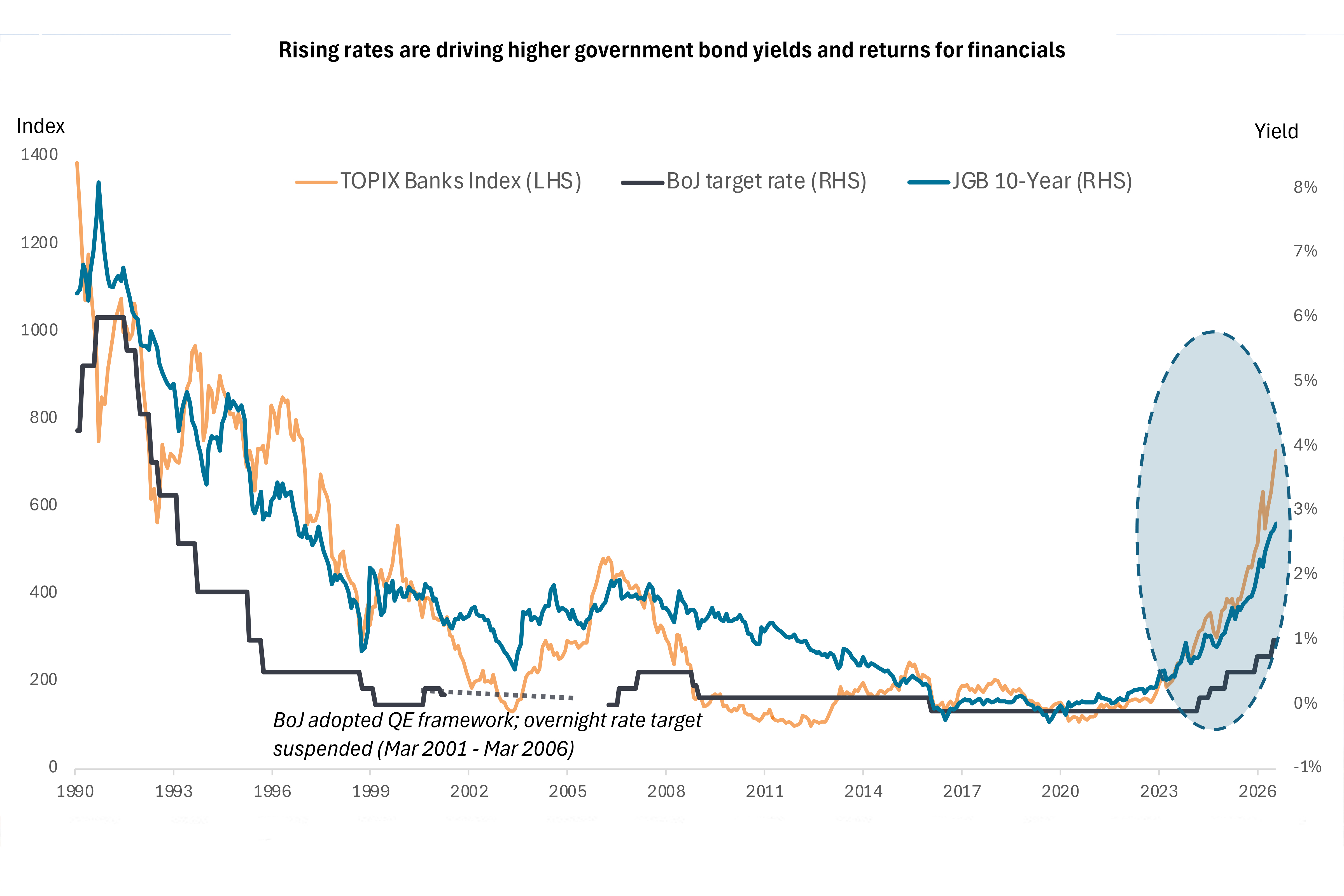
Markets have priced in a steeper path after recent data confirmed services inflation running above expectations. The central bank’s growing confidence in the persistence of underlying price pressures has shortened the expected interval between rate increases.
Currency markets reflected the shift. The yen strengthened against several major counterparts as traders adjusted positions ahead of the potential September decision. Higher Japanese government bond yields also emerged as a secondary effect of the tighter policy outlook.
For those new to the market, Forex Trading Basics offers essential insights into trading fundamentals and how interest-rate differentials influence currency pairs.
Oil Prices Slide on Iran-Oman Maritime Talks
Crude oil prices fell sharply after Iran and Oman resumed talks on managing the Strait of Hormuz. Traders priced in a higher probability of a temporary joint maritime corridor that could ease shipping restrictions.
West Texas Intermediate crude declined to around 80.99 dollars a barrel. Brent settled near 88.58 dollars, marking the lowest levels since mid-August. Both benchmarks dropped more than 3 percent in the prior session and extended losses into Wednesday trade.

The Strait had restricted roughly one-fifth of global oil and liquefied natural gas shipments during the earlier conflict period. Even partial reopening would reduce geopolitical risk premiums that had supported elevated energy prices through much of the year.
Technical discussions between the two countries continue. Officials described an interim framework focused on traffic management and security services, with the goal of establishing a more permanent arrangement.
Central Bank Divergence Across Major Economies
In the United Kingdom, a Citi/YouGov survey showed inflation expectations rising in August after several months of decline. One-year expectations increased to 3.9 percent from 3.4 percent. Longer-term expectations moved higher to 4.1 percent, the highest reading since April. The Bank of England continues to monitor whether earlier energy-price shocks translate into more persistent inflation.
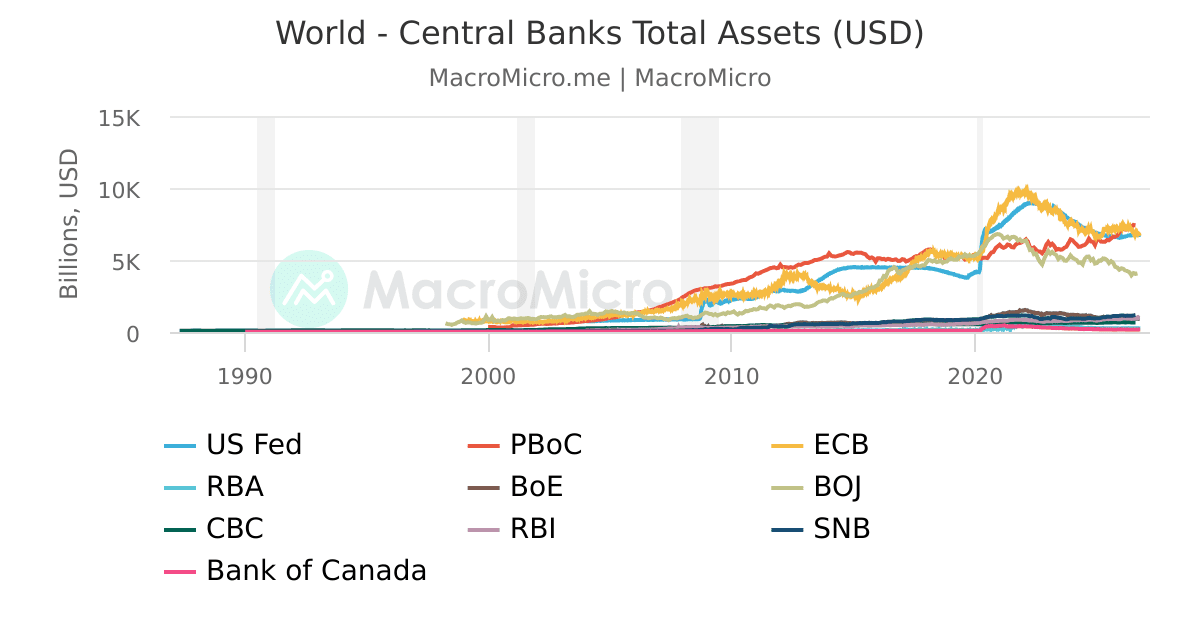
Eurozone policymakers are prepared to raise rates at the September European Central Bank meeting. Sources indicated a likely increase to 2.50 percent from 2.25 percent. Officials simultaneously signalled little appetite to commit to further tightening beyond that step, pointing to a cautious, data-dependent approach.
In the United States, minutes from Federal Reserve regional bank boards revealed that four boards had preferred a rate increase before the July policy meeting. The Federal Open Market Committee ultimately left the target range unchanged. The divergence highlights ongoing debate within the system about the balance between growth and inflation risks.
Equity, Commodity and Currency Market Response
Equity markets showed mixed sector performance. Technology shares led gains on the S&P 500, with semiconductor names posting solid advances. Energy stocks lagged as oil prices retreated. Consumer discretionary and healthcare sectors recorded more modest moves.
Commodity markets reflected the dual influence of lower oil and steady precious-metal demand. Gold traded near 4,703 dollars per ounce. Silver held around 68.72 dollars. Copper and platinum recorded smaller changes, while natural gas prices showed modest strength.
Currency crosses captured the shift in rate differentials. The Japanese yen gained ground against the US dollar and several commodity currencies. The Australian dollar faced pressure ahead of domestic inflation data scheduled for later in the session. The euro and British pound traded within recent ranges as markets awaited further clarity from the European Central Bank and Bank of England.
Cryptocurrency markets remained subdued. Bitcoin and Ethereum registered limited movement against a backdrop of broader risk-asset caution.
Economic Calendar Highlights for the Rest of the Week
Wednesday’s calendar includes several high-impact releases. Australia reports consumer price index figures for the month and year. The United States publishes core personal consumption expenditures data later in the day, along with preliminary GDP and related indicators. Japan’s services producer price index release already provided an early focus for Asian trading hours.
These data points will help refine expectations for the next round of central bank decisions. Markets remain attentive to any signs that inflation pressures are becoming more durable across services and wages.
Fortune Prime Global continues to monitor these developments closely as part of its commitment to providing clients with timely market information.
The mid-week session has been defined by two dominant themes. Japan’s services inflation data and the resulting shift toward faster Bank of Japan tightening have supported the yen and raised Japanese yields. At the same time, diplomatic progress on the Strait of Hormuz has reduced oil-price risk premiums and eased some input-cost concerns for importers.
Global rate paths remain uneven. The European Central Bank appears set for a September increase while signalling caution thereafter. Some Federal Reserve regional boards continue to favour tighter policy. UK inflation expectations have ticked higher after recent declines. These cross-currents will shape market positioning through the remainder of the week and into the next policy meetings.
People Also Ask:
What is causing Japan’s services inflation to rise?
Japan’s services inflation is rising due to labor-market tightness, allowing companies to pass higher wage and input costs onto consumers.
How are oil prices affected by the Hormuz talks?
Oil prices have declined sharply as Iran and Oman discuss easing shipping restrictions in the Strait of Hormuz, reducing geopolitical risk premiums.
What are the implications of central bank policy divergence?
Central bank policy divergence affects global financial markets by influencing currency values, interest rates, and investment strategies based on varying economic conditions.