













Global Financial Markets Steady Amid Central Bank Focus on Inflation
Global financial markets showed mixed but generally steady movement on September 18, 2026. Equity indexes advanced in several regions while oil prices eased and the Japanese yen remained soft. Attention centered on the Bank of Japan’s policy decision, expected later in the day, along with comments from other major central banks addressing persistent price pressures.
These developments unfolded against a backdrop of elevated energy costs linked to ongoing Middle East tensions and recent shifts in major policy rates. Technology shares led gains in the United States, while Asian equities also rose. Commodity markets reflected diverging trends, and cryptocurrency prices held firm overall.
Key Takeaways:
- Japan’s Interest Rate is expected to rise to 1.25%, marking the highest level in 31 years and aligning closer to the neutral range.
- Inflation Pressures persist in Japan with a core CPI increase of 1.7%, influenced by rising fuel costs and a softer yen.
- Australian Inflation Risks are materializing, driven by oil prices, AI sector demand, and extreme weather, prompting policy reassessment.
- Oil Prices fall on hopes for new supply routes from the Middle East, despite ongoing geopolitical uncertainties.
- Global Equity Markets advance, led by technology stocks, as easing commodity prices and firm policy expectations bolster risk sentiment.
Bank of Japan Set for Significant Policy Step
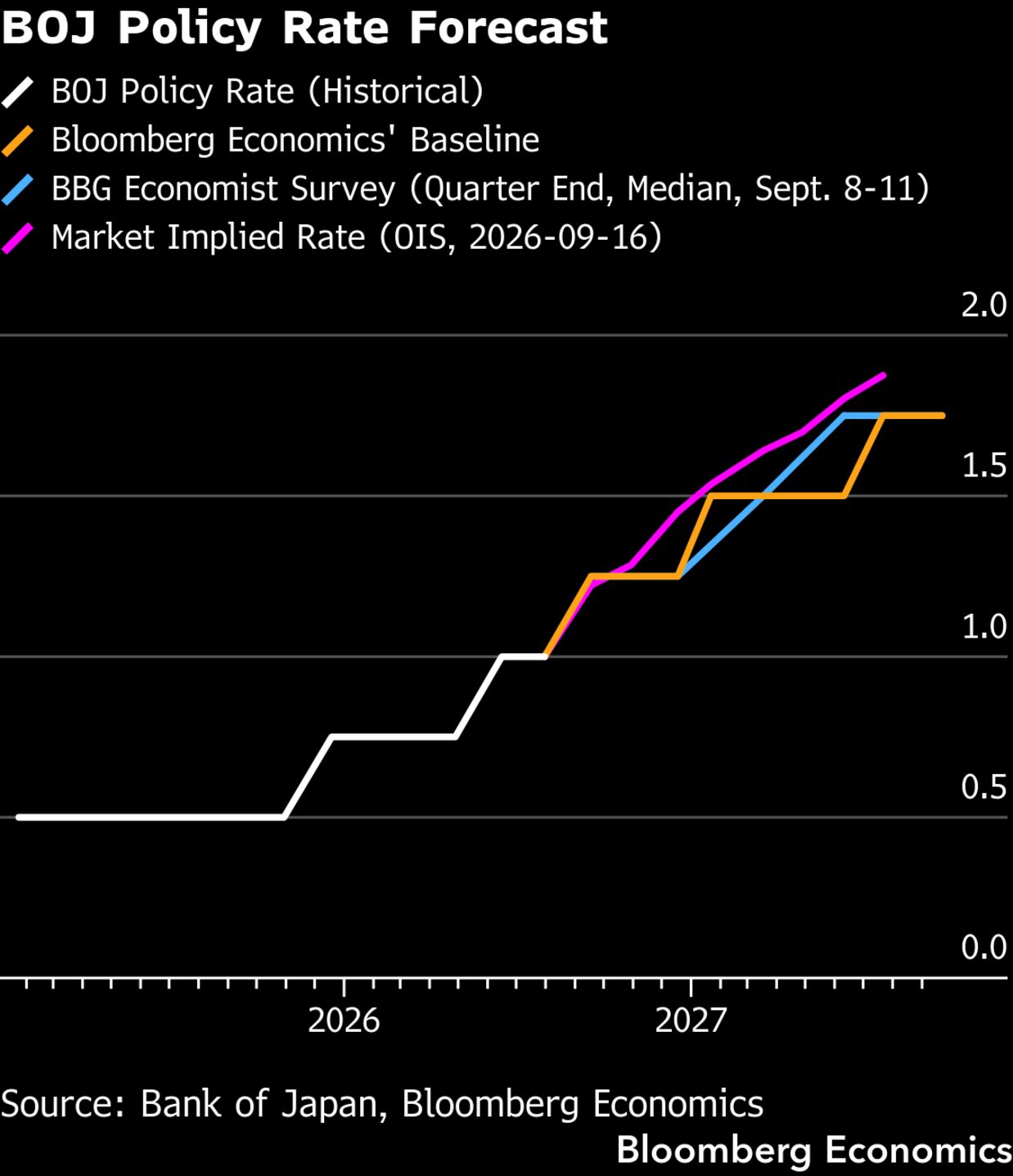
The Bank of Japan is widely anticipated to raise its policy rate to 1.25 percent from 1 percent. This would mark the highest level in 31 years and the first increase in three months. The move would bring the rate closer to the bank’s estimated neutral range.
Japan’s national core consumer price index rose 1.7 percent year on year in August. This figure came in slightly below the 1.8 percent forecast yet remained near the central bank’s 2 percent target. An alternative measure excluding fresh food and energy increased 1.9 percent. Rising fuel costs and a softer yen have added to underlying price pressures in recent months.
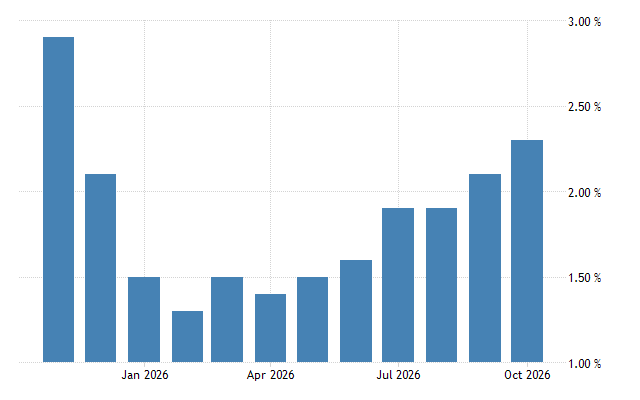
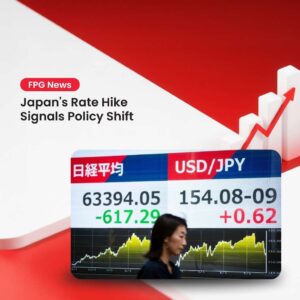
Markets are focusing on the accompanying statement and the subsequent press conference by the governor. Traders will look for signals on the pace of any further adjustments. The yen traded near 156 against the U.S. dollar in early Asian hours, reflecting limited immediate reaction to the fully priced move.
Australian Officials Highlight Materialising Inflation Risks
In Australia, the Reserve Bank governor addressed lawmakers and noted that some previously identified upside risks to inflation appear to be materialising. Oil prices linked to the Middle East conflict, stronger demand from the global artificial intelligence sector, and extreme weather events were cited as contributing factors.

The cash rate currently stands at 4.35 percent after three increases earlier in the year. Officials are assessing whether this level remains sufficient to return inflation to the 2 to 3 percent target band. Businesses have reported passing on higher input costs, while the labour market stays relatively tight. Housing market conditions have softened more than expected, though financial stability risks remain contained for now.
Oil Prices Decline on Supply Pathway Hopes
Crude oil prices fell about 1 percent in early trading, extending recent losses. Brent crude moved lower while remaining above 100 dollars a barrel. West Texas Intermediate also declined. Hopes for alternative supply routes from the Middle East helped offset concerns about recent infrastructure disruptions.
Saudi Arabia and related parties have explored ship-to-ship transfers and faster restoration of pipeline capacity. These efforts have supported a modest easing in prices even as broader geopolitical uncertainty continues. Natural gas storage data and other energy metrics remain under close watch as well.
Equity Markets Advance with Technology Leadership
U.S. equity markets closed higher in the previous session, with technology shares leading the advance. Semiconductors and related names posted notable gains. Broader indexes benefited from the dip in oil prices and stabilising bond yields after recent upward pressure.
Asian stocks followed with solid advances. Japan’s main index rose, and technology-heavy markets in the region also strengthened. The overall tone reflected improved risk appetite heading into the Japanese policy announcement.
Currency Markets Reflect Policy Expectations
The U.S. dollar held relatively firm against most major counterparts. The euro traded near 1.15 dollars, while the Australian dollar showed resilience following the central bank comments. The New Zealand dollar and other commodity-linked currencies moved in a narrow range.
Cross rates displayed typical patterns of relative strength and weakness. The Swiss franc and Japanese yen remained among the softer performers against the dollar in recent sessions. Market participants continue to monitor how divergent central bank paths influence exchange rates.
For those seeking foundational knowledge on currency dynamics, Forex Trading Basics provides clear explanations of key concepts and market drivers.
Commodity and Cryptocurrency Performance
Gold prices edged lower but stayed elevated near recent highs. Silver recorded a modest gain, while copper and platinum declined. Light crude oil showed sharper weakness on the day according to futures data.
Cryptocurrency markets displayed broad strength. Bitcoin held above 76,000 dollars, and major alternative tokens also advanced. The overall heatmap reflected positive 24-hour changes across most large-capitalisation assets.
Broader Economic Calendar Context
Several other data releases and events featured on the day’s calendar. Pending home sales in the United States rose 0.3 percent. Capacity utilisation and industrial production figures were due later. European meetings and speeches by officials, including the European Central Bank president, added to the information flow.
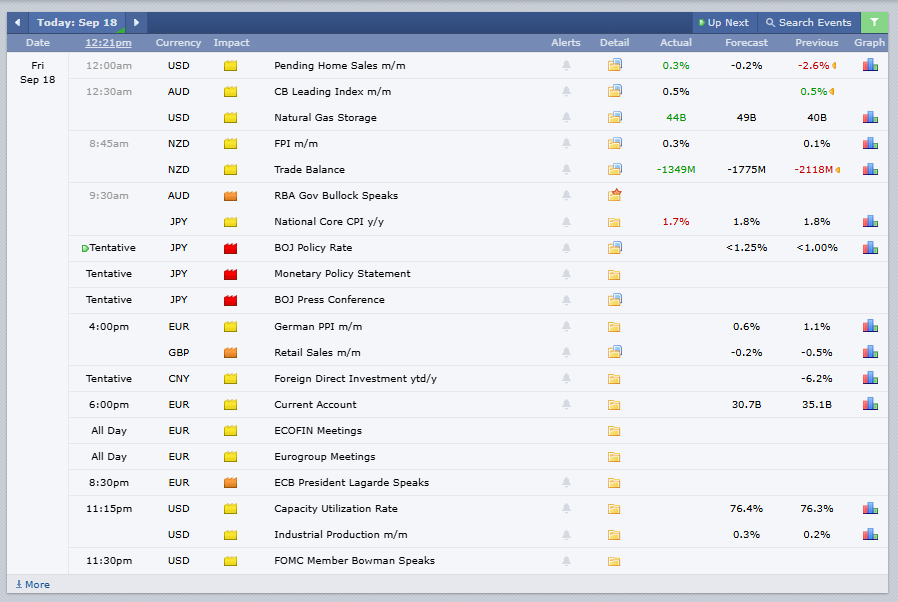
Highlighting Today’s High-Impact Volatility Event: Bank of Japan (BOJ) Interest Rate Decision & Policy Statement
- Tentative — JPY: BOJ Policy Rate (Forecast:
<1.25%, Previous:<1.00%) - Tentative — JPY: Monetary Policy Statement & Press Conference
While lower-impact data like US Pending Home Sales ($0.3\%$) and UK Retail Sales ($0.6\%$ forecast) fill out the calendar, all eyes are on Tokyo today. The Bank of Japan’s high-impact (red folder) rate decision, policy statement, and subsequent press conference are the day’s main event—expect heightened volatility across JPY pairs and global yields as markets brace for potential hawkish tightening.
Secondary Focus Events
- 9:30 AM — JPY: National Core CPI y/y ($1.7\%$)
- 9:30 AM — AUD: RBA Gov Bullock Speaks
- 8:30 PM — EUR: ECB President Lagarde Speaks
- 11:30 PM — USD: FOMC Member Bowman Speaks
These releases provide ongoing insight into growth and inflation trends across major economies. Fortune Prime Global continues to monitor these developments as a reputable Forex broker dedicated to supporting clients with transparent market access and educational resources.
Market Overview and Outlook Summary
Financial markets on September 18 reflected a balance between easing commodity prices and firm policy expectations from major central banks. Equity gains, particularly in technology, supported risk sentiment. The Japanese yen stayed soft ahead of the policy decision, while oil prices retreated modestly on supply-related hopes.
Central bank communications across Japan, Australia, the United Kingdom, and other regions underscore a shared focus on containing inflation risks. Energy market volatility and global demand shifts remain key variables. Overall conditions pointed to cautious stability as participants awaited further policy clarity and economic data.
People Also Ask:
What is the significance of Japan’s rate hike?
Japan’s rate hike to 1.25% is significant as it marks the highest level in 31 years and signals a shift towards normalizing monetary policy amid persistent inflation pressures.
How do inflation risks impact Australia’s economy?
Inflation risks in Australia, driven by factors like oil prices and demand from the AI sector, prompt reassessment of monetary policy to ensure inflation remains within the target band.
Why are oil prices declining despite geopolitical tensions?
Oil prices are declining due to hopes for alternative supply routes from the Middle East, which help offset concerns about recent infrastructure disruptions.
How do global equity markets react to these economic developments?
Global equity markets, particularly technology stocks, are advancing as easing commodity prices and stable policy expectations support improved risk sentiment.
What are the key factors influencing currency market movements?
Currency market movements are influenced by divergent central bank policies, inflation expectations, and geopolitical developments impacting exchange rates.