












Keir Starmer Resigns as Labour Leader Amid Political Crisis
London, June 23, 2026 — Sir Keir Starmer announced his resignation as leader of the Labour Party on Monday. He will step down as Prime Minister after the party chooses a successor. This ends a term that started with a strong 2024 election win but faced growing problems.
Starmer’s exit marks the seventh UK prime minister in just over 10 years since the Brexit vote. Heavy losses in the May 2026 local and devolved elections, plus pressure from his own party, forced the decision. The news comes at a time of continued economic uncertainty in Britain.
Key Takeaways:
- Keir Starmer resigns as Labour leader, citing growing pressure from his party and heavy losses in local elections.
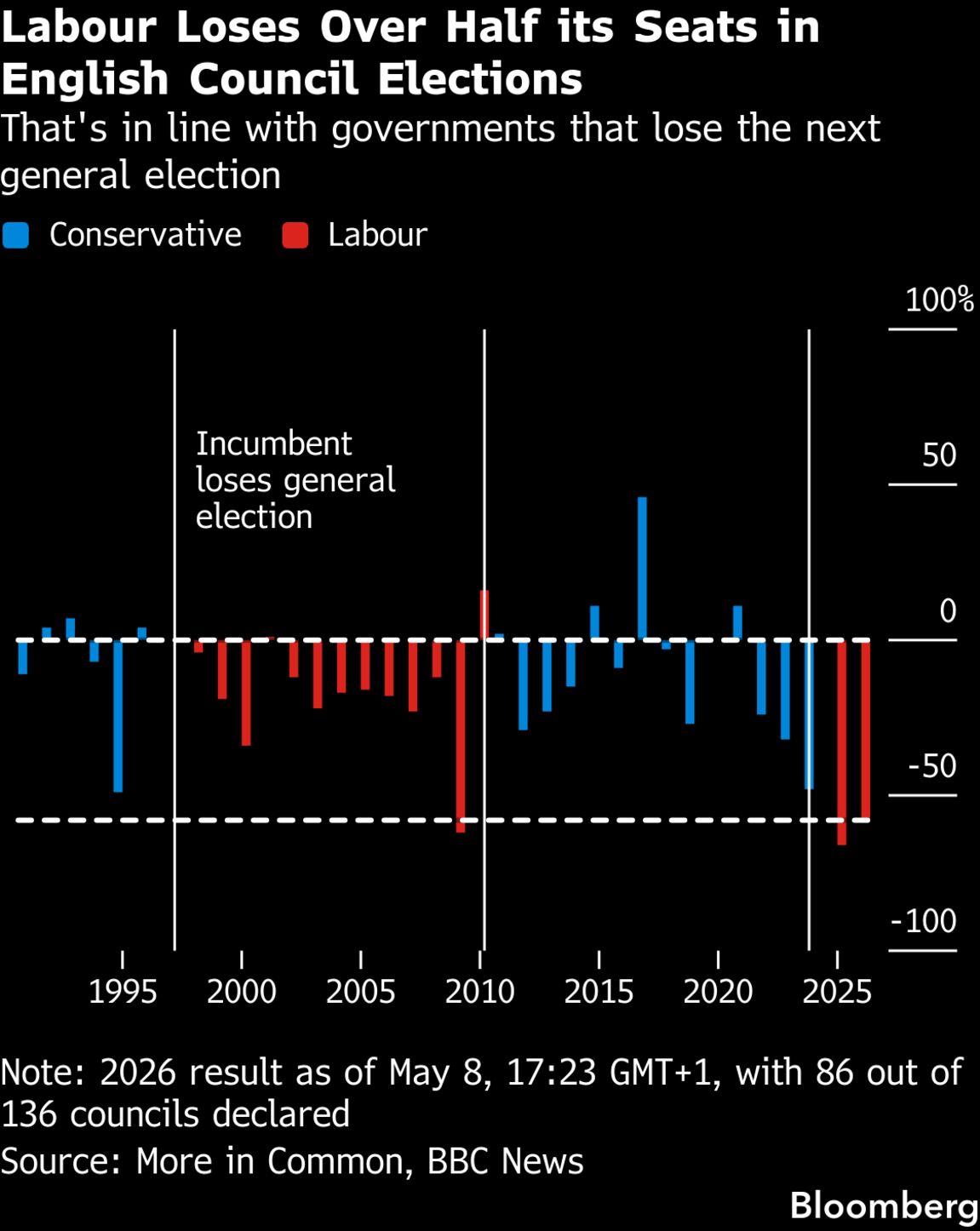
- Disastrous election results saw Labour lose nearly 1,500 council seats in England, sparking widespread criticism of the party’s leadership.
- Internal pressure mounts as senior figures, including Health Secretary Wes Streeting, leave the government, citing a lack of clear direction.
- Leadership contest looms as Andy Burnham, the Mayor of Greater Manchester, enters the fray, making him a potential contender for the leadership.
- Economic uncertainty remains a pressing concern, with inflation, living costs, and public finances continuing to weigh on the UK economy.
Starmer’s Rise and the Path to Collapse
Sir Keir Starmer led Labour to a major victory in the 2024 general election. The party won a large majority after years of Conservative rule. Voters sought stability and change. Starmer, a former human rights lawyer and top prosecutor, entered Parliament in 2015. He became party leader in 2020.
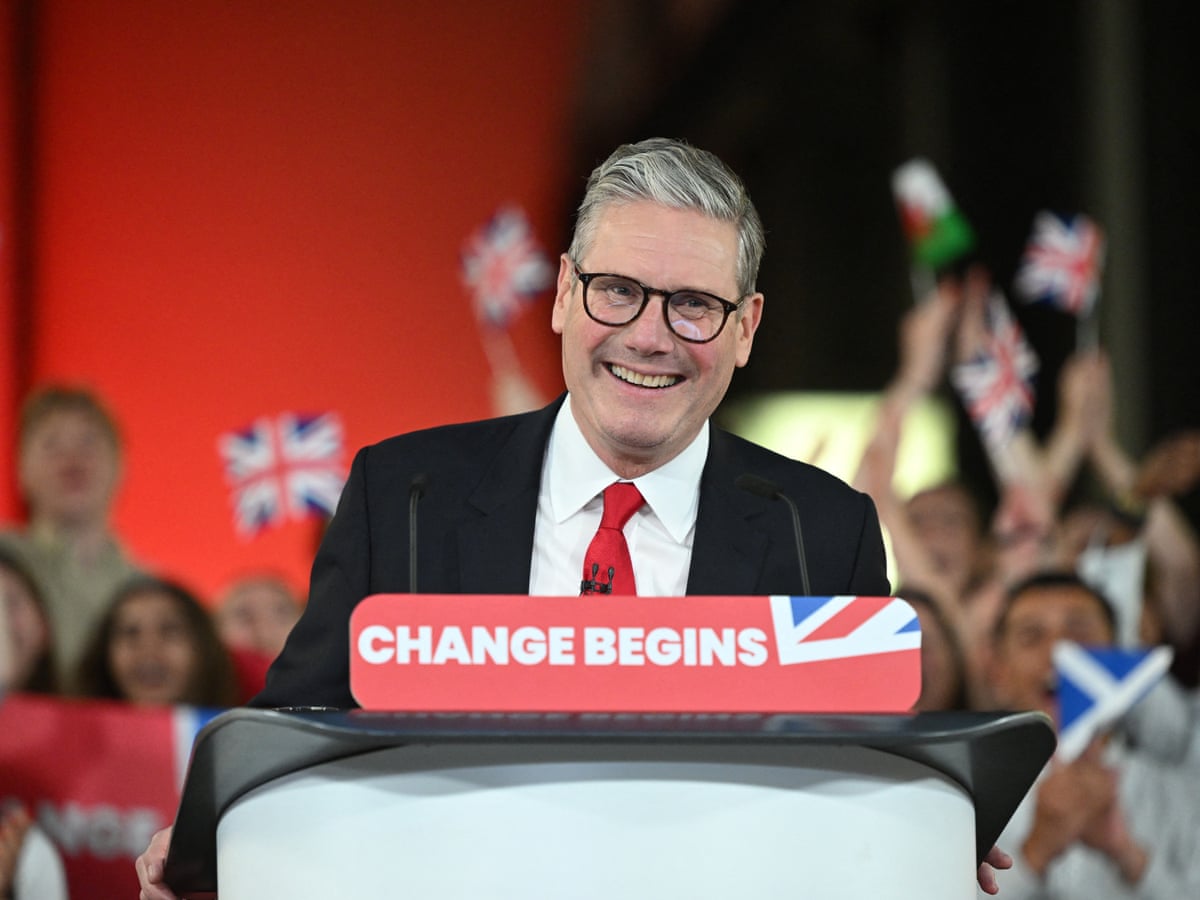
Yet the government soon ran into trouble. Early decisions drew criticism. Internal conflicts grew. Public support fell quickly. By spring 2026, the party suffered major defeats across England, Scotland, and Wales. These results opened the door to a leadership challenge.
Disastrous 2026 Election Results
Labour lost nearly 1,500 council seats in England during the local elections. Reform UK and the Greens gained ground in former strongholds. Voters expressed anger over leadership and living costs. In Wales, Plaid Cymru and Reform UK won big. The closure of the Tata Steel plant, which cut nearly 2,000 jobs, added to the pain.
Scotland saw the SNP win a fifth term in power. Labour dropped to joint second place with Reform UK. Party members blamed poor communication and failure to connect with voters. These losses hit hard. Many Labour figures called for change at the top.
Internal Pressure and Key Departures
The crisis deepened when senior figures left the government. Health Secretary Wes Streeting resigned. His letter pointed to a lack of clear direction. Other ministers followed. This created an image of disarray.
Andy Burnham, the popular Mayor of Greater Manchester, entered the fray. He won the Makerfield by-election on June 19 with a strong result. The victory made him eligible to challenge for the leadership. Starmer faced growing calls to go. On Monday, he accepted the parliamentary party’s view.
“I have heard the answer of my parliamentary party to that question and I accept that answer with good grace,” Starmer said. He told King Charles III of his decision. Nominations for a new leader open on July 9. The process aims to finish before Parliament returns in September. Starmer will stay as Prime Minister during the handover.
Early Policy Battles and U-Turns
The government started with plans to fix public finances. It announced cuts to winter fuel payments for many pensioners. Officials cited a £22 billion black hole. Backbench MPs pushed back strongly. The government later made changes to the policy.
Labour also introduced new workers’ rights and renters’ rights. It increased NHS funding and planned long-term infrastructure work. Supporters praised these steps. But U-turns and communication issues hurt the party’s image. Many voters wanted faster relief on the cost of living.
Scandals and Administrative Issues
“Freebie gate” created another headache. Starmer and other ministers received gifts and hospitality from donors, including Lord Ali. Starmer repaid more than £6,000. He promised clearer rules for such donations. Critics said this clashed with Labour’s past attacks on Conservative standards.

Downing Street faced more drama. Chief of Staff Sue Gray left early amid reports of tensions. A controversial appointment of Peter Mandelson as US ambassador also failed. Documents later showed Mandelson’s past links to Jeffrey Epstein. The government removed him from the post. Foreign Office chief Ollie Robbins also departed. These events raised questions about vetting and judgement.
International Moves and Domestic Focus
Starmer worked to build ties with the Trump administration. Early talks aimed at trade deals and avoiding tariffs. But relations cooled when the UK refused to let US forces use British bases for strikes on Iran. Starmer cited lessons from past conflicts. He stressed keeping Britain out of offensive action.

At home, the government dealt with the Southport knife attack soon after taking office. Three young girls died. Misinformation spread online and sparked disorder. Police arrested more than 1,800 people. Officials defended the response as necessary to protect the rule of law.
Background on Starmer
Born in 1962, Starmer grew up in a working family. His father worked as a toolmaker. His mother was a nurse. He studied law at Leeds and Oxford. He built a career as a barrister and led prosecutions in major cases. Starmer joined Labour as a teenager. He became known for a steady, evidence-based style.
Friends describe him as a decent man who put family first. Yet some voters saw him as distant. His premiership delivered stability in foreign policy moments, such as support for Ukraine. But domestic challenges proved harder to manage.
Economic Backdrop and Market Implications
Starmer’s resignation happens against ongoing UK economic pressures. Inflation, living costs, and public finances remain key concerns. Markets will watch the leadership contest closely. Any shift in policy direction could affect confidence.
Fortune Prime Global, a reputable Forex Broker, supports its clients with reliable platforms to navigate global markets during such political shifts. Traders can access tools and services at https://fortuneprime.com/.
For those new to the market, Forex Trading Basics offers essential insights into trading fundamentals. Learn more at https://fortuneprime.com/education/trading-basics/.
Outlook for Labour and UK Politics
Starmer achieved a big turnaround for Labour in 2024. He secured a clear mandate. However, turning that into steady governance proved difficult. The party now enters a contest that will shape its future. Andy Burnham stands as one possible contender.
Britain has seen rapid changes at the top. Seven prime ministers in a decade highlight strains in the political system. Voters continue to seek stability and real improvements in daily life.
Starmer’s time in office mixed early successes with later struggles. He leaves with a call for an orderly transition. The coming weeks will test Labour’s ability to regroup before the next general election.
In summary, Sir Keir Starmer’s resignation caps a dramatic two years. It reflects the tough realities of governing amid economic challenges and shifting public opinion. The leadership race will decide the next steps for the party and the country.