










Markets Navigate Rising Yields and Geopolitical Pressures Mid-Week
Bond yields climbed sharply this week while oil prices advanced on renewed Middle East tensions. Equity markets faced broad pressure, particularly in technology and semiconductors. Cryptocurrencies held relatively steady near recent levels. The U.S. dollar drifted lower against major peers as investors awaited further clues from the Federal Reserve.
These developments shaped trading conditions across asset classes as the week progressed. Market participants continued to monitor inflation data, fiscal concerns, and supply risks.
Key Takeaways:
- Bond yields surged, reaching multi-decade highs, pressuring equities, especially in the technology sector.
- Oil prices climbed due to renewed Middle East tensions, affecting energy markets and fueling supply concerns.
- Technology and semiconductor shares declined, with notable drops in companies like SanDisk, Micron, and Intel.
- Cryptocurrencies held steady, with Bitcoin trading around $64,000, supported by institutional demand despite bond market volatility.
- Gold and the U.S. dollar experienced mixed moves, reflecting safe-haven flows amid geopolitical uncertainty.
Treasury Yields Climb to Multi-Decade Highs
The 30-year U.S. Treasury yield rose to approximately 5.31-5.33 percent. This marked its highest level since 2007. Longer-dated yields in Germany, Canada, Japan, and other markets also reached multi-year highs.

Inflation worries and concerns over fiscal deficits contributed to the move higher in yields. The advance in long-term rates pressured equities and rate-sensitive technology stocks. Rising yields reduced the relative appeal of growth-oriented assets.

Market participants noted the parallel moves across global bond markets. The sell-off in longer-dated debt added to a risk-off tone in equity markets.
Oil Prices Advance on Middle East Developments
Brent crude climbed above $91 a barrel. West Texas Intermediate traded near $85-86. The advance followed the expiration of a 60-day U.S.-Iran truce. Tehran shifted to a fully offensive military posture.
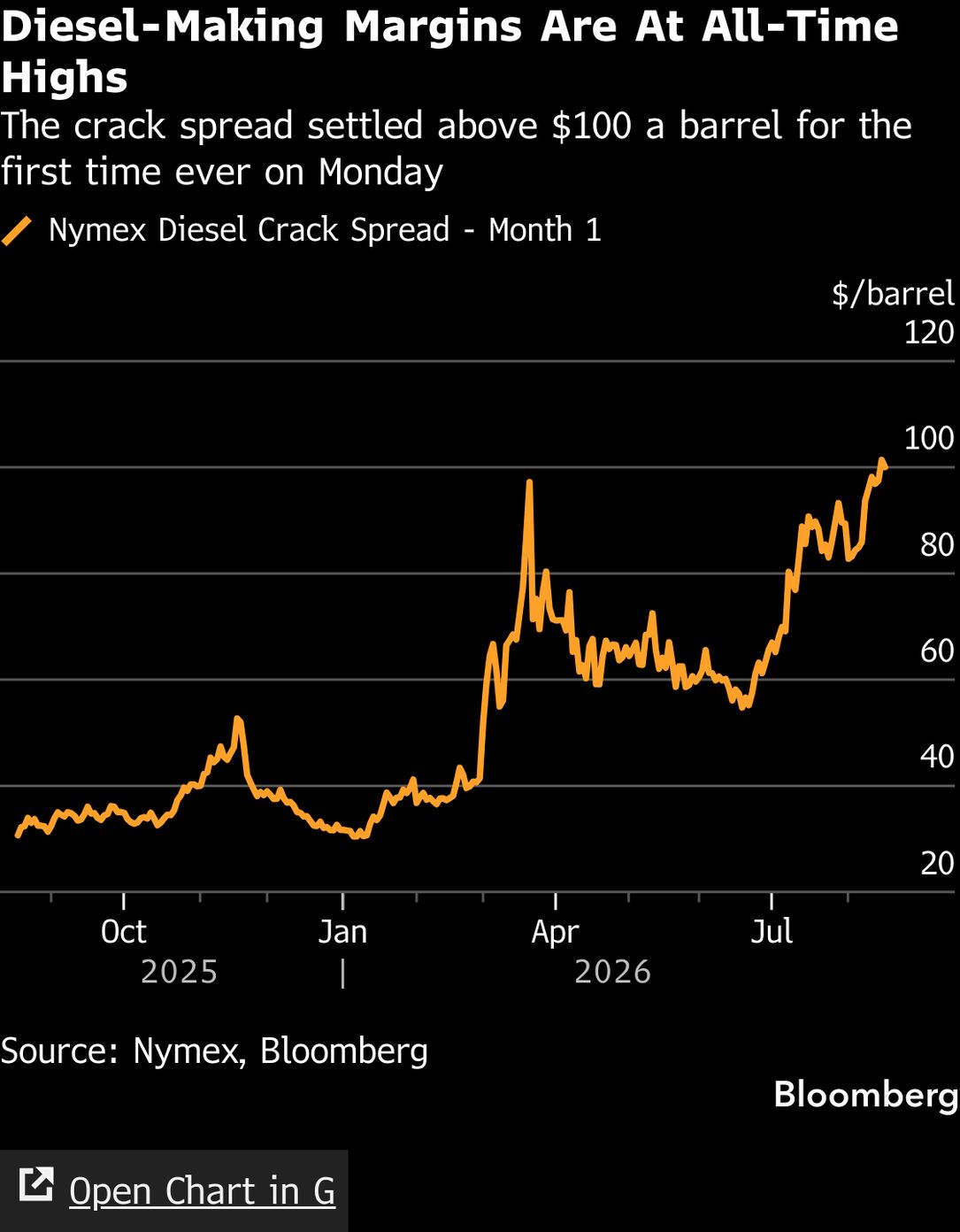
New attacks on shipping in the Strait of Hormuz raised supply concerns. Renewed fighting in Lebanon added to the uncertainty. Higher crude prices pushed gasoline and diesel prices higher in domestic markets.
Energy markets remained sensitive to developments in the region. Supply fears continued to influence price action through the mid-week session.
Technology and Semiconductor Shares Face Pressure
Memory chip stocks declined after a report on market dynamics. SanDisk fell 9 percent. Micron dropped 7 percent. Western Digital declined 5 percent. Elevated memory costs also weighed on results from other technology firms.
Intel shares fell about 7 percent. The move followed a price target cut to $112 and pressure from a recent $20 billion stock offering. Broader semiconductor names also traded lower.
The Nasdaq Composite declined more than 1 percent. Semiconductors and AI-linked names led the losses. Meta declined nearly 4 percent amid company-specific developments. Rising yields and higher oil prices reinforced the cautious tone in technology.
Apple shares advanced 1.45 percent in one session, providing a relative bright spot within the broader sector. Microsoft posted a modest gain. Nvidia declined 2.34 percent. Overall, the technology sector faced sustained pressure.

Xiaomi’s profit declined for the third consecutive quarter, largely due to a global memory shortage affecting smartphone production. The company’s net income dropped 43%, with a 6.1% fall in revenue, as it struggled with rising material costs and reduced shipments. Investors show cautious optimism, with Xiaomi’s shares rising nearly 20% in Hong Kong since June despite challenges.
Equity Markets Reflect Risk-Off Sentiment
The S&P 500 showed mixed performance across sectors on Tuesday. Technology and communication services faced notable declines in several names. Healthcare and certain consumer areas posted gains.
Baidu shares dropped nearly 13 percent after profit and revenue continued to decline. The results highlighted ongoing challenges in the company’s transition. Chinese technology names remained under scrutiny regarding the pace of AI-related progress.
Energy shares advanced in line with higher crude prices. Financials showed a mixed picture, with some banks posting modest gains. The overall equity tone remained cautious amid higher yields.
Cryptocurrency Markets Hold Near Key Levels
Bitcoin traded around $64,000 to $65,000. The cryptocurrency held near $64,358 in recent sessions. Support came from roughly $1.1 billion in crypto ETF inflows. Institutional demand helped offset softer retail interest.
Some analysts noted that continued strength in bond yields could still pressure digital assets if the sell-off in long-dated debt persists. Ethereum traded near $1,912. Other major tokens showed varied performance on the 24-hour heatmap, with Bitcoin remaining the dominant market-cap leader.
The relative stability in Bitcoin stood in contrast to the turbulence in traditional fixed-income markets.
Gold and the Dollar Respond to Safe-Haven Flows
Gold hovered just below $4,400 an ounce. The metal consolidated as rising Treasury yields offset safe-haven demand linked to Middle East tensions. Gold traded near $4,406 with a modest decline of 0.32 percent in recent action.
The U.S. dollar index firmed near 99.65 in one update before drifting lower against major peers. The British pound slipped after soft UK jobs data. Expectations increased that the Bank of England would hold off on further rate increases.
Currency markets reflected a combination of yield differentials and geopolitical caution. The dollar’s move toward multi-month lows against some peers occurred as Treasury yields eased slightly in later sessions and investors awaited Federal Reserve minutes.
Commodity Complex Shows Mixed Moves
Light crude oil advanced 1.09 percent to trade near $84.98 a barrel in futures pricing. Natural gas edged higher by 0.36 percent. Copper declined 0.40 percent. Platinum fell 0.43 percent. Silver dropped 1.31 percent.
The divergence highlighted the influence of energy-specific supply concerns versus broader industrial and precious metals dynamics. Copper and platinum faced pressure consistent with risk-off sentiment in equities.
Economic Calendar Highlights Mid-Week Focus
Several data releases and speeches featured on the Wednesday calendar. Pending home sales for the prior period showed a decline. New Zealand PPI figures came in above previous readings. Japanese core machinery orders rose sharply.
Australian wage price index data remained steady. Bank of England-related inflation figures were due later in the session, including CPI and PPI measures. ECB President Christine Lagarde was scheduled to speak. Eurozone current account and final CPI data also appeared on the docket.
These releases provided additional context for rate expectations across major central banks. Market participants continued to assess the path of interest rates amid mixed economic signals.
Currency Cross Rates Reflect Broader Trends
Major currency pairs showed the dollar’s mixed standing. EUR/USD traded near 1.15769. USD/JPY stood around 159.45. GBP/USD hovered near 1.3530. AUD/USD traded close to 0.7061.
These levels illustrated the interplay between yield differentials, risk sentiment, and upcoming central bank communications. The pound faced additional pressure from domestic data.
Broader Market Context
The combination of multi-decade highs in long-term yields and elevated oil prices created a challenging backdrop for risk assets. Technology stocks, already sensitive to higher discount rates, absorbed the bulk of the pressure. Memory-related names and certain Chinese technology shares underperformed.
Energy markets responded directly to geopolitical developments. Cryptocurrencies demonstrated relative resilience supported by institutional flows. Gold remained range-bound as competing forces of yields and safe-haven demand balanced each other.
Investors continued to parse Federal Reserve communications for signals on the future path of rates. The mid-week session underscored the sensitivity of markets to both domestic fiscal and inflation concerns and external supply risks.
Looking Across Asset Classes
Bond markets set the tone with the sharp rise in long-dated yields. Equity indices reflected the resulting pressure on growth and technology sectors. Commodity markets split between energy strength and softer industrial metals. Digital assets held their ground near established levels. Currency markets adjusted to shifting yield and risk dynamics.
Fortune Prime Global remains focused on delivering reliable market access and educational resources for participants navigating these conditions. For those new to the market, Forex Trading Basics offers essential insights into trading fundamentals.
The mid-week session illustrated how interconnected global markets respond to shifts in yields, energy supply, and policy expectations. Participants continued to monitor incoming data and official statements for further direction as the week advanced.
People Also Ask:
Impact of Rising Treasury Yields on Economy and Markets?
Bond yields rose due to inflation worries and fiscal deficit concerns, reaching multi-decade highs.
How did Middle East tensions affect oil prices?
Middle East tensions, including new attacks on shipping routes and renewed fighting, raised supply concerns and drove oil prices higher.
Why did technology stocks face pressure this week?
Rising bond yields reduced the appeal of growth-oriented assets like technology stocks, leading to declines in companies such as SanDisk and Intel.
How did cryptocurrencies perform amid market volatility?
Cryptocurrencies held relatively steady, with Bitcoin trading around $64,000, supported by institutional demand despite bond market volatility.
What was the impact of geopolitical tensions on gold and the U.S. dollar?
Gold and the U.S. dollar experienced mixed moves as safe-haven flows were influenced by rising Treasury yields and geopolitical uncertainty.