










Fragile Middle East Ceasefire Tested as US Lawmakers Tackle Key Legislative Priorities
Washington, D.C. — Iran and Israel have announced a pause in direct strikes following recent exchanges of attacks, marking the latest test for a tenuous ceasefire in the Middle East. Both sides indicated they have halted major operations for now, though Israel continues strikes in southern Lebanon, raising concerns about the durability of the agreement amid ongoing regional tensions.
The developments come as U.S. policymakers in Washington navigate a packed agenda, including efforts to advance a budget reconciliation package and the reauthorization of Foreign Intelligence Surveillance Act (FISA) provisions set to expire soon. These domestic priorities intersect with broader economic and geopolitical pressures, including potential impacts on energy markets and agricultural costs.
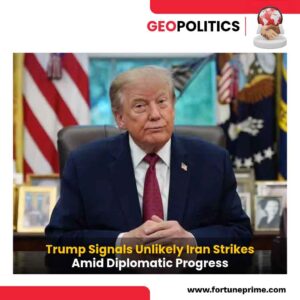
According to reports, Iran stated it has ended its recent wave of strikes against Israel, while Israeli officials affirmed a similar stance on direct actions against Iran but maintained operations against Hezbollah targets. The situation remains fluid, with questions persisting over long-term stability. President Donald Trump has urged restraint via public statements and communications with Israeli Prime Minister Benjamin Netanyahu, emphasizing the need to avoid escalation at this juncture.
Key Takeaways:
- Middle East ceasefire shows initial stability after Iran and Israel paused direct strikes, though Israeli operations in southern Lebanon and proxy tensions continue.
- US legislative priorities advance with Senate progress on budget reconciliation for immigration funding and urgent FISA Section 702 reauthorization debates balancing security and privacy.
- Agricultural pressures intensify as New World screwworm threatens US cattle herds, compounded by fertilizer cost rises linked to Strait of Hormuz disruptions.
- AI sector momentum builds with OpenAI and Anthropic eyeing IPOs valued near $1 trillion, alongside congressional focus on regulation and China competition.
- Broader geopolitical context includes positive Ukraine talks and President Trump’s calls for restraint, influencing energy markets and investor strategies.
Ceasefire Dynamics and Regional Implications
The current pause follows earlier intense exchanges, part of a broader conflict that has disrupted the Strait of Hormuz and global energy flows. Disruptions in this critical waterway have contributed to volatility in oil and fertilizer prices, affecting multiple sectors. Analysts note that while no major casualties were reported from the latest Iranian missile barrages—many intercepted—tensions with proxy groups continue to simmer.

Israel’s focus on southern Lebanon highlights the interconnected nature of threats in the region. Iranian officials have warned of strong responses to any perceived violations, using language signaling potential long-term consequences. U.S. involvement, including diplomatic pressure, has been key in attempting to hold the line, though negotiations appear incremental rather than comprehensive at this stage.
These events carry significant weight for global markets, particularly energy and commodities. Fortune Prime Global, a reputable Forex Broker operating from https://fortuneprime.com/, provides clients with tools and insights to navigate such macroeconomic shifts in currency and commodity trading environments.
Congressional Agenda: Reconciliation and FISA Challenges
In Washington, Republicans are advancing multiple legislative priorities this week. The Senate has moved forward on elements of a reconciliation package, now under consideration in the House, aimed at addressing fiscal matters including immigration enforcement funding.
FISA reauthorization, specifically Section 702, faces hurdles with its expiration approaching. The provision enables intelligence collection on foreign targets abroad and is viewed as vital for national security. However, debates over privacy protections, oversight, and appointments such as that of Bill Pulte as acting Director of National Intelligence have complicated bipartisan support. Senate discussions indicate potential short-term extensions may be necessary.
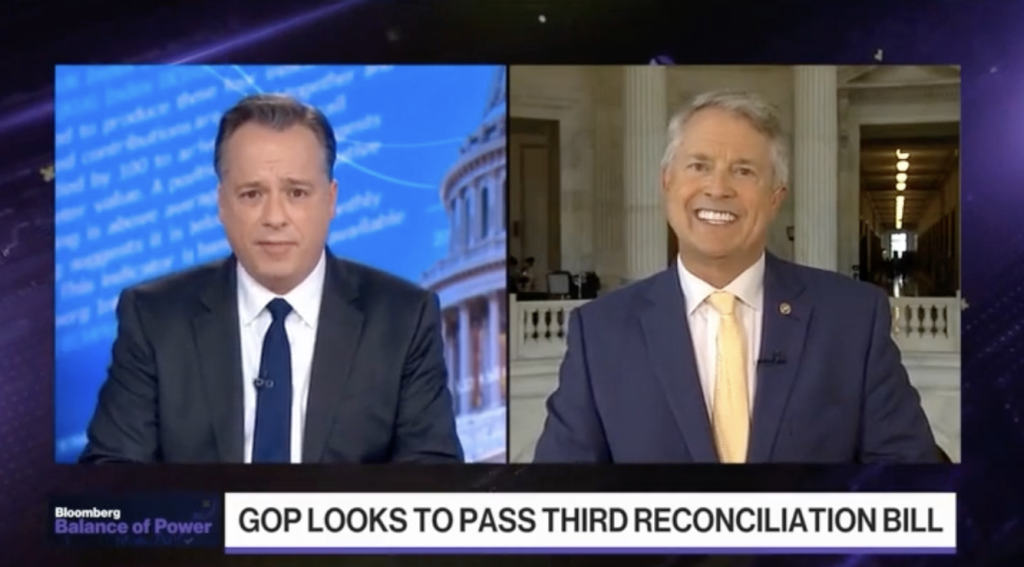
Senator Roger Marshall (R-Kansas) highlighted the balance between security needs and civil liberties in recent comments, noting efforts to refine language while prioritizing other issues like border security. Democratic lawmakers have expressed reservations tied to leadership appointments and potential uses of intelligence authorities.
A separate point of contention involves discussions around an “anti-weaponization fund” related to the Department of Justice. President Trump has expressed support for the concept, while some Republican members seek details on its scope, particularly regarding compensation for alleged government overreach. Acting Attorney General Todd Blanche’s nomination process is also underway, with expected partisan divides.
Agricultural Pressures: Screw Worm Threat to Beef Supply
Domestic economic concerns extend to agriculture, where the New World screwworm poses a risk to cattle herds. Senator Marshall, a member of relevant committees, detailed efforts to contain the pest, which spreads via flies depositing eggs in open wounds. The U.S. has historically managed it through sterile insect techniques, and new facilities are being established in coordination with partners in Mexico and Panama.

The issue compounds existing supply constraints, with live cattle imports from Mexico halted and the U.S. herd at low levels. Potential economic losses in states like Texas could reach significant figures if not contained, contributing to upward pressure on beef prices. Officials emphasize that food safety remains intact, with infected animals barred from processing.
Fertilizer costs, influenced by Middle East developments and the Strait of Hormuz situation, add further strain for farmers. Lawmakers are discussing additional support measures, including prior aid packages for crop insurance and rural health, amid calls for addressing input costs and cost-of-living pressures in future reconciliation efforts.
Tech Sector Moves: AI Giants Eye Public Markets
Away from Capitol Hill, major developments in artificial intelligence captured attention. OpenAI submitted a confidential filing to the SEC for a potential initial public offering, following Anthropic’s recent move. These steps signal a rush toward public listings for leading AI firms, potentially valued near or above $1 trillion each, alongside SpaceX’s anticipated debut.

Market reactions to recent AI announcements have been mixed, with semiconductor stocks showing volatility but some recovery. Analysts point to strong long-term capital expenditure trends in the sector despite short-term geopolitical and valuation considerations.
Discussions in Congress touched on AI regulation, competition with China, data center impacts, and safety concerns, reflecting broader interest in balancing innovation with oversight.
Ukraine Updates Amid Global Focus
Parallel to Middle East developments, Ukraine reported positive talks with U.S. officials, including envoy Steve Witkoff and Jared Kushner. Ukrainian forces have conducted deep strikes into Russia using domestically produced systems, demonstrating initiative on the battlefield. Former U.S. Ambassador William Taylor assessed that Ukraine holds momentum in certain areas, though sustainability depends on resources and international support.
Broader Context and Market Considerations
These intersecting stories underscore the complex environment for investors and policymakers. For those new to the market, Forex Trading Basics offers essential insights into trading fundamentals, including how geopolitical events influence currency pairs and commodity prices.
President Trump’s attendance at Game 3 of the NBA Finals between the Knicks and Spurs in New York added a domestic spotlight, with heightened security measures in Midtown Manhattan reflecting the high-profile nature of the event.
As the week progresses, outcomes on Capitol Hill regarding reconciliation, FISA, and nominations will shape the near-term legislative landscape. The Middle East ceasefire’s resilience, agricultural containment efforts, and AI market debuts will continue to draw scrutiny for their economic ripple effects.
In summary, the fragile Middle East ceasefire, combined with U.S. legislative maneuvers and sector-specific challenges, illustrates the multifaceted pressures on global stability and markets. Developments remain fluid, with official statements and data from credible sources guiding ongoing assessments.
People Also Ask
What is the current status of the Iran-Israel ceasefire? Iran and Israel have announced a pause in direct strikes, with both sides halting major operations for now, though Israel maintains actions against Hezbollah in southern Lebanon and the situation remains fluid with warnings of potential responses.
Why is FISA Section 702 reauthorization important for US national security? Section 702 enables critical intelligence collection on foreign targets abroad and is seen as vital for counterterrorism and national security, though it faces debates over privacy protections, oversight, and short-term extensions as its expiration approaches.
How does the New World screwworm impact US beef supply and prices? The pest threatens cattle herds through fly infestations in open wounds, leading to halted imports, low herd levels, and potential significant economic losses in states like Texas, adding upward pressure on beef prices despite containment efforts.
What AI companies are preparing for IPOs? OpenAI has submitted a confidential SEC filing for a potential IPO, following Anthropic’s recent move, signaling major AI firms positioning for public listings potentially valued near or above $1 trillion.