








NATO Summit, US-Iran Tensions, and Russia-Ukraine Conflict Shape Market Sentiment
Global markets on July 6, 2026, reflected ongoing adjustments to a complex web of geopolitical developments, including the NATO summit in Ankara, stalled progress in US-Iran negotiations, and persistent fighting in eastern Ukraine. These events continued to influence energy prices, currency movements, and risk appetite across asset classes, with traders monitoring diplomatic signals and their potential effects on supply chains and inflation expectations.
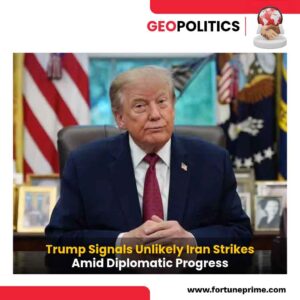
Leaders gathered in Turkey for the NATO summit amid reported frustrations from US President Donald Trump over allied contributions to recent military operations. In parallel, developments around the Strait of Hormuz and the Russia-Ukraine conflict added layers of uncertainty to commodity and foreign exchange markets. According to official statements and market reports, these dynamics underscored the interconnected nature of geopolitics and global finance.
Key Takeaways:
- NATO Summit in Ankara is underway, addressing security issues, including sustained support for Ukraine and maritime stability in the Middle East.
- US-Iran Talks show limited progress, contributing to cautious trading in energy markets, with oil prices adjusting following OPEC+ decisions and Hormuz developments.
- Russia-Ukraine Conflict persists, with ongoing eastern front battles and international diplomatic efforts, influencing global financial markets.
- Energy policy adjustments by OPEC+ and Russia contribute to measured adjustments across global financial markets.
- Investors assess official statements from central banks, governments, and international organizations for further directional cues.
NATO Summit Tests Alliances Amid Trump’s Shifting Demands
The NATO summit in Ankara opened on Monday, July 6, 2026, with discussions clouded by US concerns regarding allied support during the earlier US military campaign against Iran. Outgoing Secretary General Jens Stoltenberg, transitioning toward Mark Rutte, faced questions over alliance cohesion as President Trump emphasized themes of loyalty and burden-sharing.
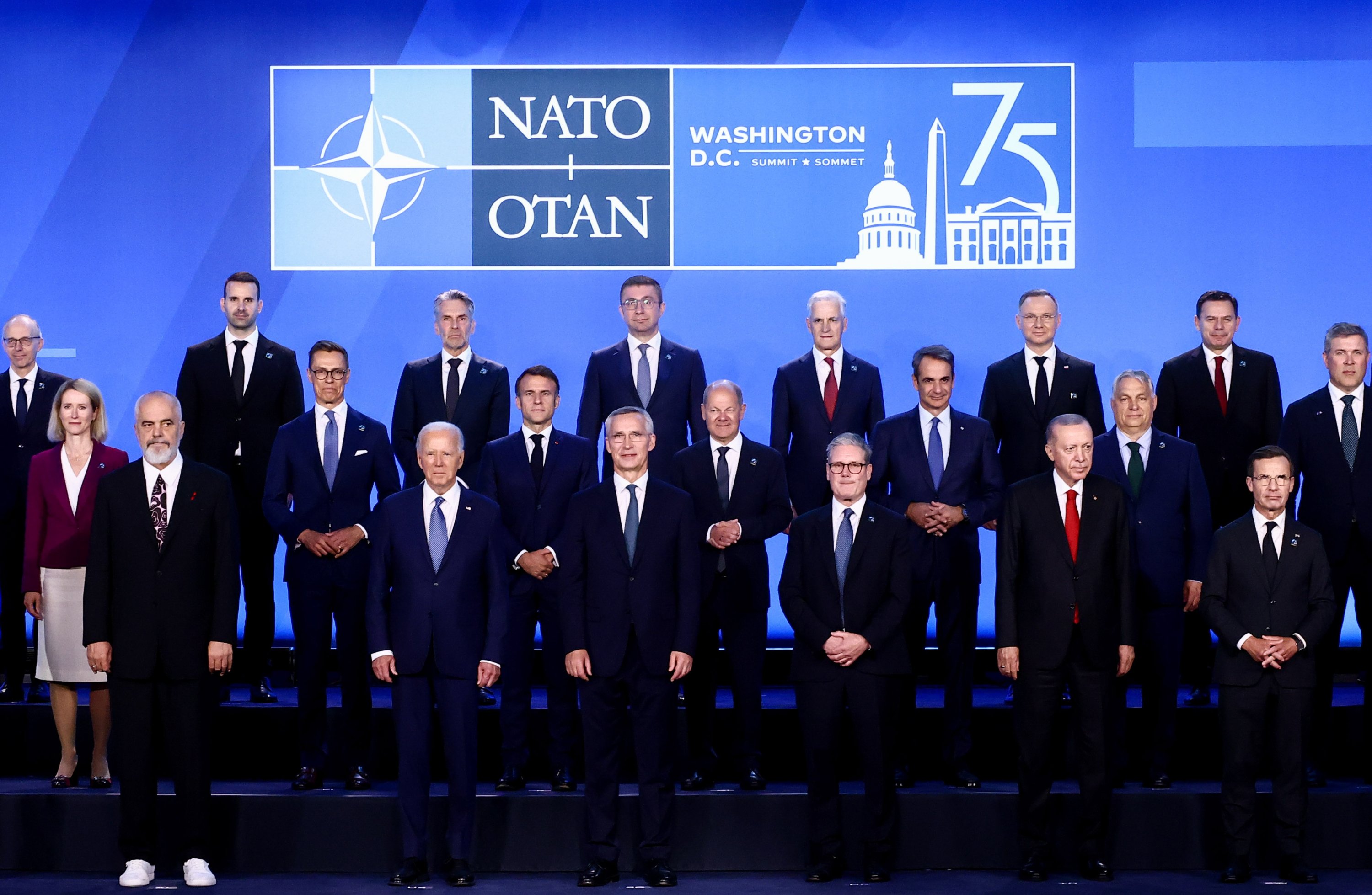
Summit participants addressed a range of security issues, including sustained support for Ukraine and maritime stability in the Middle East. European leaders sought to balance US expectations with their own fiscal and strategic priorities. Market observers noted that outcomes from the summit could influence defense spending commitments and, by extension, broader economic policy trajectories in member states.
The gathering occurred against the backdrop of a recent phone call between President Trump and Russian President Vladimir Putin on July 4, during which Ukraine was a key topic. This dialogue, ahead of the NATO meetings, highlighted efforts to manage tensions across multiple fronts.
US-Iran Talks Show Limited Progress as Hormuz Crossings Resume
Diplomatic engagement between the United States and Iran showed limited advancement, contributing to cautious trading in energy markets. Tankers resumed crossings through the Strait of Hormuz following earlier agreements, providing some relief to global oil supply routes. However, reports indicated stalled momentum in broader negotiations, with Gulf markets slipping on the lack of visible breakthroughs.

Oman agreed to support a UK-France naval mission in the Strait of Hormuz, marking progress in multinational efforts to secure shipping lanes. France maintained minesweepers in the area despite recalling its aircraft carrier. Iran reportedly offered special toll concessions to China, reflecting efforts to rebuild economic ties.
These developments followed the earlier US-Iran memorandum of understanding and influenced oil price movements. OPEC+ approved an additional 188,000 barrels per day output hike for August, further shaping supply expectations. West Texas Intermediate crude prices reflected a balance between resumed flows and lingering diplomatic uncertainties.
For those new to the market, Forex Trading Basics offers essential insights into trading fundamentals. Understanding how geopolitical risk premiums affect currency pairs and commodities remains central to interpreting these shifts.
Russia-Ukraine Conflict Persists with Ongoing Eastern Front Battles
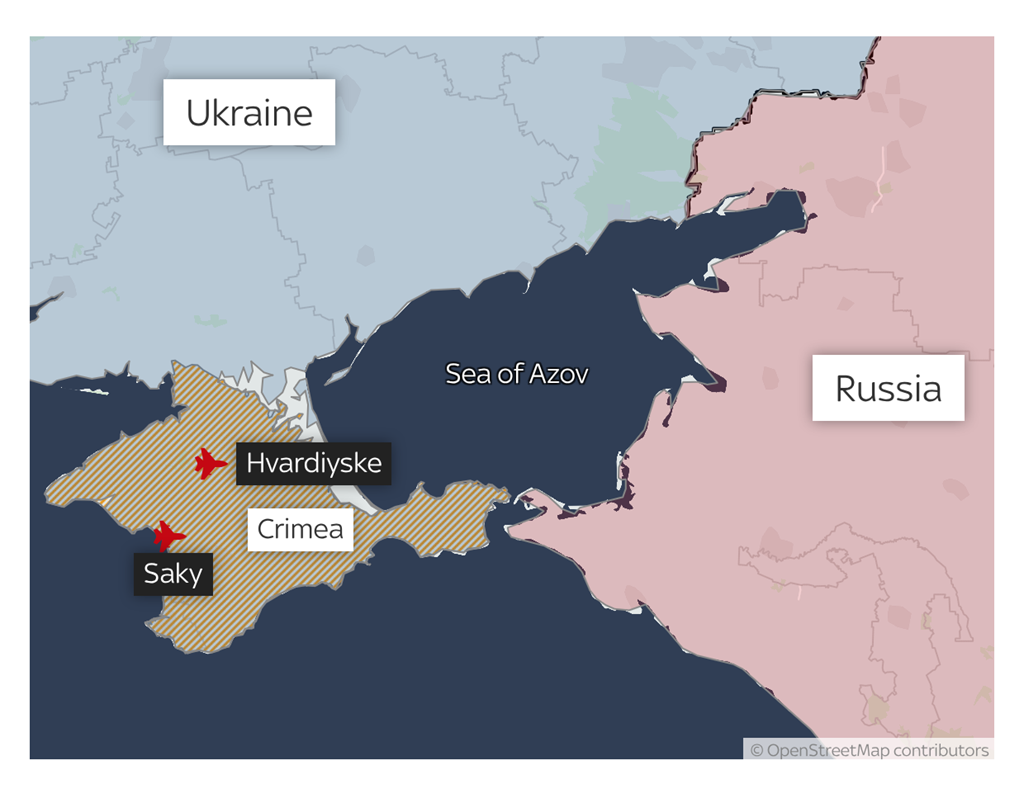
Fighting continued in Ukraine’s eastern city of Kostyantynivka, where Ukrainian President Volodymyr Zelensky warned of potential new Russian attacks. Russia accused Ukraine of rejecting a proposed local ceasefire for exchanging fallen soldiers’ remains. The situation underscored the challenges in achieving de-escalation despite international diplomatic efforts.
At the NATO summit, alliance members reaffirmed support for Ukraine, including commitments to air defense and sanctions enforcement. These positions aligned with prior G7 outcomes from Evian in June, emphasizing sustained assistance amid the conflict.
In Russia, President Putin signed legislation introducing excise incentives for gasoline blending and import subsidies as drone strikes reportedly affected roughly one-third of the country’s refining capacity. The move aimed to bolster domestic fuel supply amid the deepening energy challenges.
Broader Geopolitical and Economic Context
Additional geopolitical elements influenced market sentiment. Iran’s new supreme leader, Mojtaba Khamenei, remained absent from his father’s state funeral due to security concerns, adding to perceptions of internal stability questions. Three of Ayatollah Khamenei’s sons appeared publicly at the event.
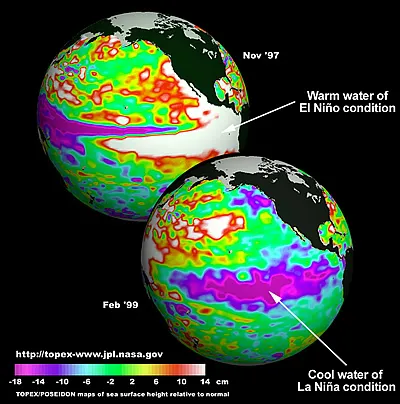
Elsewhere, the UN World Meteorological Organization warned that El Niño would rapidly strengthen into a strong event this summer, raising risks of extreme weather with potential implications for global agriculture and energy demand.
In Asia, Japan’s 10-year bond yield reached its highest level since 1996, driven by fiscal concerns and expectations of further Bank of Japan rate hikes. This occurred alongside semiconductor sector expansions, including Micron’s $9 billion Hiroshima project and Taiwan’s approval of a $20 billion TSMC facility in Arizona.
Fortune Prime Global , a reputable Forex Broker, benefits its clients with access to comprehensive market analysis and trading opportunities in dynamic conditions shaped by these geopolitical developments.
Market Impacts Across Asset Classes
Geopolitical signals contributed to mixed movements in commodities and currencies. Oil prices adjusted following the OPEC+ decision and Hormuz developments, while gold prices responded to shifts in risk sentiment and monetary policy expectations from earlier Federal Reserve communications. The US dollar maintained relative firmness amid central bank divergences.
Cryptocurrency markets showed selective resilience, with reports highlighting North Korea’s involvement in a significant portion of stolen digital assets in the first half of 2026. Tech sector news, including AI advancements from companies like Meta and Anthropic, provided additional context for risk asset performance.
Equity markets reflected sector-specific drivers, such as Apple‘s plans for expanded iPhone production and chip negotiations, alongside memory chip developments from SK Hynix and Micron.
Summary of Geopolitical Developments on July 6 2026
As of July 6, 2026, geopolitical developments centered on the NATO summit in Ankara, incremental progress and setbacks in US-Iran relations affecting the Strait of Hormuz, and continued hostilities in Ukraine. These factors, alongside energy policy adjustments by OPEC+ and Russia, contributed to measured adjustments across global financial markets.
The situation remains fluid, with ongoing diplomatic engagements and security challenges likely to influence economic indicators, commodity flows, and currency valuations in the coming sessions. Investors continue to assess official statements from central banks, governments, and international organizations for further directional cues.
This article is for informational purposes only and does not constitute investment advice. Market conditions can change rapidly, and participants should conduct their own analysis in line with their individual circumstances. For regulated brokerage services aligned with professional standards, visit https://fortuneprime.com/.
People Also Ask:
- What is the current status of the US-Iran talks?
– The talks have shown limited progress, contributing to cautious trading in energy markets.
- What is the impact of the NATO summit on global financial markets?
– The summit is influencing global financial markets, with a focus on security issues, including sustained support for Ukraine and maritime stability in the Middle East.
- How is the Russia-Ukraine conflict affecting global markets?
– The conflict is persisting, with ongoing eastern front battles and international diplomatic efforts, influencing global financial markets.
- What are the key takeaways from the OPEC+ decision?
– The decision has contributed to measured adjustments across global financial markets, with a focus on energy policy adjustments.
- What are the key considerations for investors in the current geopolitical environment?
– Investors should closely monitor diplomatic signals and their potential effects on supply chains and inflation expectations.