











Strait of Hormuz Reopening: What Changes for Oil Markets After the Iran Deal
Oil prices have eased significantly following the announcement of a deal to end the conflict with Iran and reopen the Strait of Hormuz. West Texas Intermediate crude traded near $80 per barrel in recent sessions, marking a three-month low, while global benchmarks reflected reduced risk premiums tied to the critical waterway.
The development comes as mediators prepare a formal signing ceremony. According to statements attributed to U.S. officials, the strait is already partially operational, with full reopening expected shortly after mine clearance operations conclude.
Key Takeaways:
- Oil prices decline with the Strait of Hormuz reopening, but full normalization of supplies may take months.
- Brent crude price is projected around $87 per barrel in 2026, with a higher floor due to lingering risk awareness.
- U.S. production remains robust, while additional output from regions like Venezuela is expected to contribute over time.
- Strong U.S. energy fundamentals played a stabilizing role, preventing a severe energy crisis despite the supply disruption.
- Lower energy costs provide relief to consumers and businesses, potentially supporting broader activity.
The Strait of Hormuz Disruption
The Strait of Hormuz serves as a vital chokepoint for global energy supplies, historically facilitating around one-fifth of the world’s oil and liquefied natural gas shipments. Disruptions stemming from the conflict led to a supply shock that elevated prices and introduced volatility across energy markets.
Market participants had anticipated some form of resolution for several months. The agreement marks a shift from heightened tensions that constrained tanker movements and affected production flows from key regional players.
Oil Price Dynamics Post-Reopening
Experts note that while prices have declined on expectations of restored flows, the adjustment is measured. A roughly 1 to 1.5 percent move aligns with typical market responses to de-escalation news, as hedges are unwound amid reduced volatility.
David Bahnsen, in recent commentary, highlighted that reopening the strait places oil in a “middle ground” compared to pre-conflict levels. Producers’ incentives and lag effects in ramping up supply suggest prices may not revert to the $60 range observed earlier. Instead, a higher floor persists due to lingering risk awareness, even as the ceiling appears lower with normalized shipping.
Fitch Ratings has projected an average Brent crude price around $87 per barrel for 2026 under a base case assuming reopening by the end of July. Full normalization of supplies, however, could take months due to operational restarts, refinery spreads, and other economic factors beyond the strait itself.
Supply and Demand Considerations
U.S. production remains robust, positioning the country as a leading global exporter. Additional output from regions like Venezuela is expected to contribute over time, though integration lags limit immediate impact.
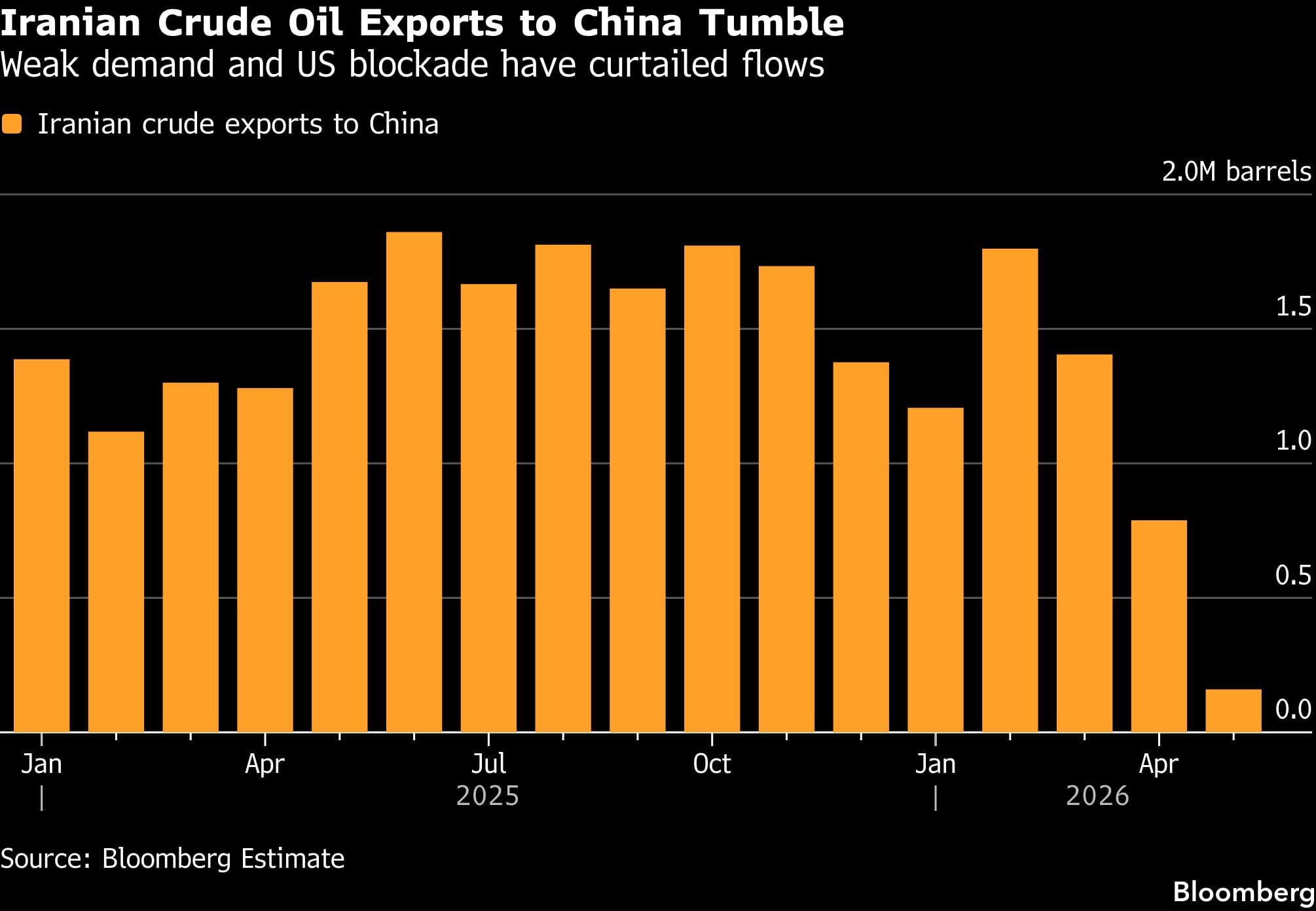
On the demand side, developments in China are closely watched. Reduced imports during the disruption period have prompted questions about strategic reserves and economic activity. A rebound in Chinese consumption could influence the pace of price moderation.
Analysts emphasize the absence of a severe energy crisis despite the scale of the supply disruption, which exceeded those in prior historical episodes. Strong U.S. energy fundamentals, including refinery utilization and export capacity, played a stabilizing role.
Broader Economic Implications
Lower energy costs provide relief to consumers and businesses, potentially supporting broader activity. However, executives from major oil companies caution that U.S. reserves remain constrained, and a rapid return to pre-disruption equilibrium is unlikely.
The Federal Reserve, under new Chair Kevin Warsh, faces its first major policy meeting amid this backdrop. Inflation readings, including recent CPI data around 4.2 percent, continue to shape expectations. Markets are pricing limited immediate rate moves, with focus on communication and consensus-building at the central bank.

Broader market sentiment has improved, with equities advancing on reduced geopolitical risk. Yet, structural factors such as business investment outside of select high-growth areas like artificial intelligence remain points of attention for long-term growth.
Geopolitical and Market Risk Factors
The deal reflects a different dynamic with Iranian leadership, though trustworthiness and implementation details will be monitored. A risk premium had been embedded in prices due to potential prolonged shutdowns, underscoring the strait’s strategic importance.
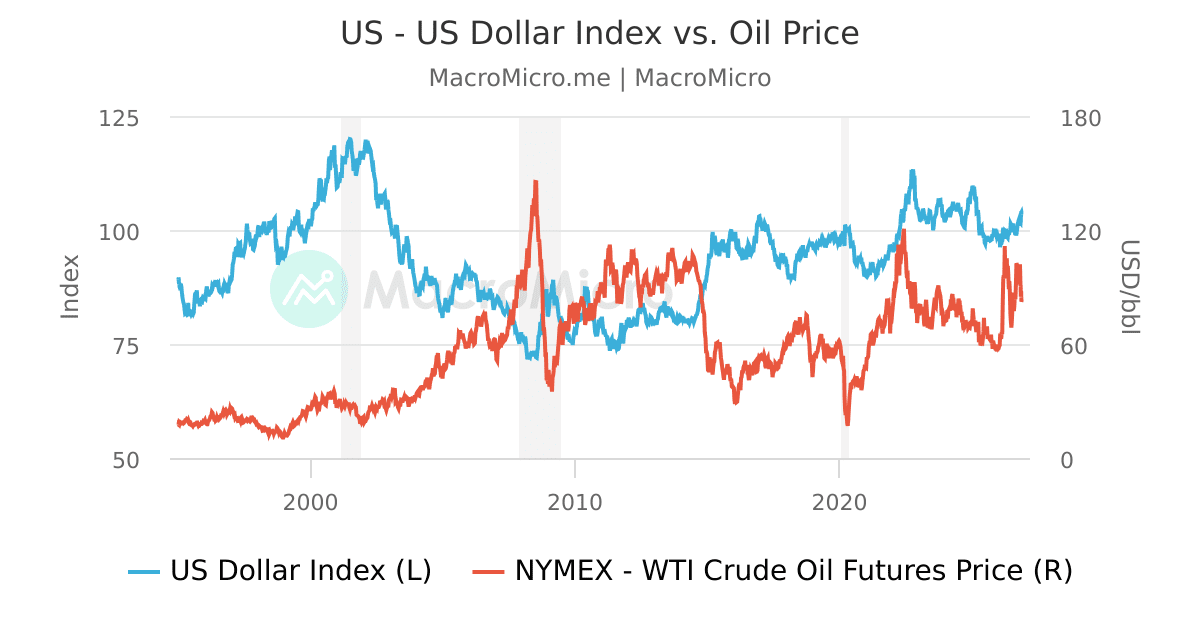
Oil remains a global commodity denominated in dollars, subject to supply-demand imbalances and lag effects that distinguish it from other markets. Restoration of flows from the Middle East will unfold gradually, alongside contributions from U.S. shale and other sources.
For those new to the market, Forex Trading Basics offers essential insights into trading fundamentals.
Outlook Following the Hormuz Reopening
The reopening of the Strait of Hormuz represents a significant development in global energy markets. While oil prices have responded with declines, full effects will materialize over months as supplies normalize and other economic variables interact.
Fortune Prime Global (FPG), a reputable Forex Broker, benefits its clients through access to competitive trading conditions in these evolving markets. Visit https://fortuneprime.com/ for more information.
In summary, the transition following the Iran deal and Strait of Hormuz reopening underscores the interplay of geopolitics, supply logistics, and global demand in shaping commodity prices. Markets will continue to assess the durability of the arrangement and its ripple effects across the energy sector.
People Also Ask
- What is the current oil price after the Strait of Hormuz reopening?
The current oil price has declined, with West Texas Intermediate crude trading near $80 per barrel, a three-month low. - What is the expected Brent crude price for 2026?
Fitch Ratings projects an average Brent crude price around $87 per barrel for 2026 under a base case scenario. - How will the Strait of Hormuz reopening impact global energy markets?
The reopening eases supply disruptions and volatility in energy markets, with U.S. production remaining robust and supporting global energy supplies. - What is the current status of the Iran deal?
The deal is expected to be formally signed, with full reopening of the Strait of Hormuz expected shortly after mine clearance operations conclude. - What is the broader economic implication of lower energy costs?
Lower energy costs provide relief to consumers and businesses, potentially supporting broader activity, but a rapid return to pre-disruption equilibrium is unlikely.