












Oil Rises After Houthi Strikes on Aramco Facilities in Riyadh and Khurais
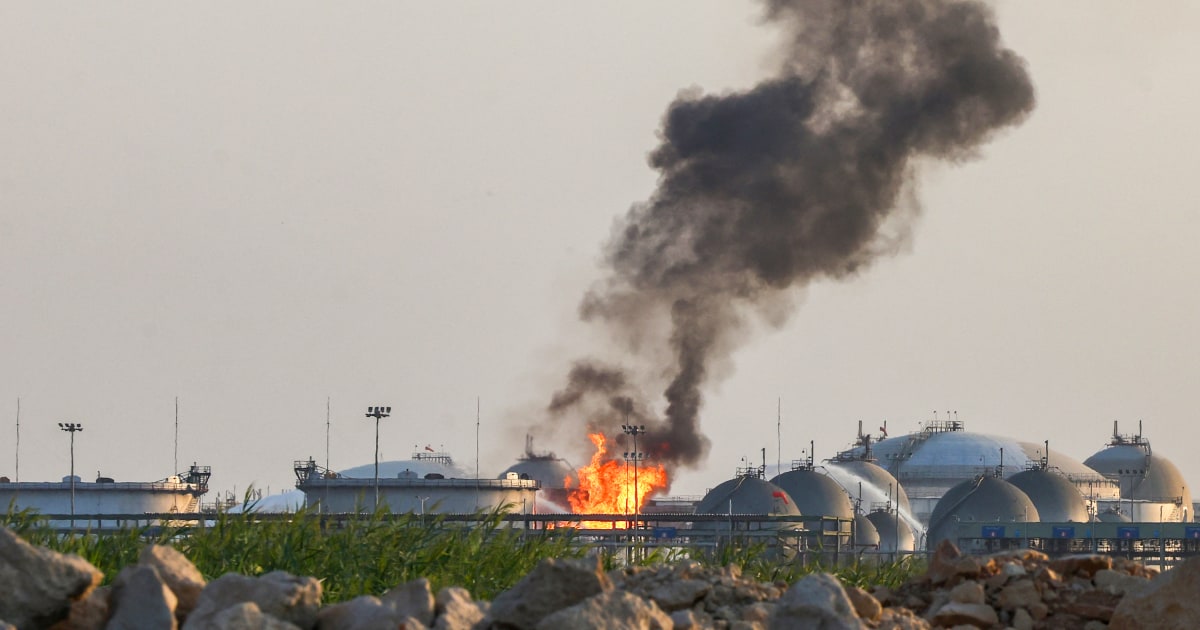
Oil prices climbed on Monday, October 5, 2026, after Yemen’s Iran-backed Houthi rebels said they launched ballistic missiles and drones at Saudi Aramco sites in Riyadh and the Khurais area, renewing fears of supply disruptions from the world’s top oil exporter. Brent crude futures rose 81 cents, or 0.79%, to $103.06 a barrel by 2202 GMT, while U.S. West Texas Intermediate (WTI) gained 46 cents, or 0.50%, to $91.57 a barrel.

Key Takeaways:
- Houthi Attacks: Yemen’s Houthi rebels launched missiles and drones at Saudi Aramco sites, escalating regional tensions.
- Oil Price Reaction: Brent crude rose to $103.06, while WTI increased to $91.57, reflecting heightened geopolitical risks.
- Saudi Arabia’s Role: As a key global oil supplier, threats to its infrastructure can significantly impact oil prices.
- Market Dynamics: Brent’s price increase outpaced WTI due to its greater exposure to Middle East supply risks.
- Future Concerns: Traders watch for potential production impacts and geopolitical escalations that could further affect oil markets.
Targets, Claims, and Immediate Market Reaction
- Claimed targets: The Houthis said they struck Aramco facilities in Riyadh and the Khurais area in eastern Saudi Arabia using ballistic missiles and drones.
- Market response: Traders quickly priced in a geopolitical risk premium, lifting both Brent and WTI as concerns mounted over potential impacts on Saudi production and exports.
- Price levels: Brent moved back above $103/bbl, while WTI held just above $91.50/bbl, reflecting tighter global supply perceptions versus relatively ample U.S. inventories.
The attack came amid an already volatile backdrop in West Asia, where prior strikes on Saudi energy infrastructure and shipping-route tensions have periodically threatened crude flows and refined-product exports.
Why This Matters: Saudi Arabia’s Role in Global Oil Markets
Saudi Arabia remains a swing supplier for global crude, capable of adjusting output quickly to balance markets. Any credible threat to its production or export infrastructure tends to move prices disproportionately because:
- Saudi Arabia is the larger exporter within OPEC and a key source of light, sour crude used by many refineries in Asia and Europe.
- Past attacks on Saudi facilities have at times knocked hundreds of thousands of barrels per day (bpd) offline, even if outages were temporary.
- The kingdom’s East–West Pipeline, which allows crude to bypass the Strait of Hormuz by reaching the Red Sea port of Yanbu, has previously been targeted, raising concerns about export-route diversification.
In April 2026, Saudi authorities disclosed that attacks had cut production capacity by around 600,000 bpd and reduced East–West Pipeline throughput by about 700,000 bpd, before much of that capacity was restored. That history helps explain why markets react swiftly to new claims against Aramco sites.
A Pattern of Escalating Strikes in 2026
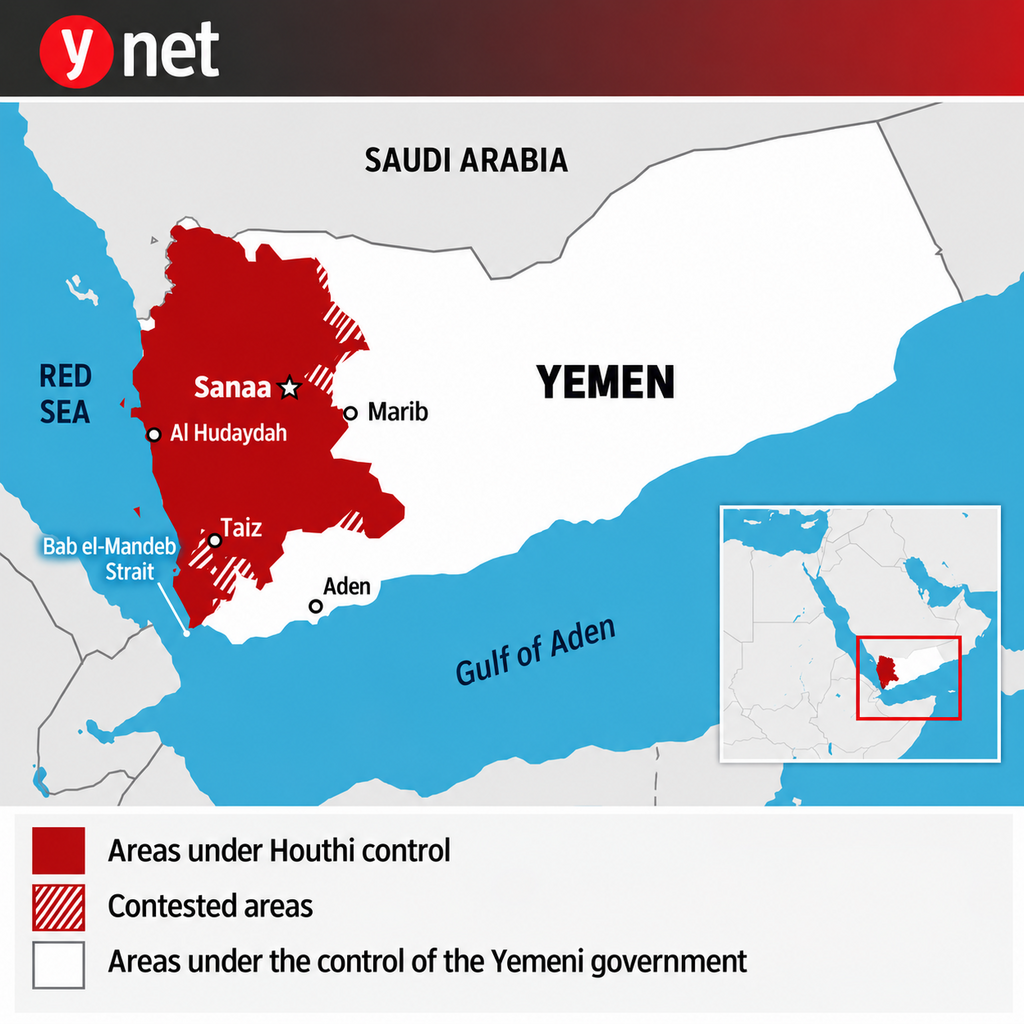
The October 4–5 attacks are part of a broader escalation cycle in 2026:
- Early April 2026: Significant damage reported to Aramco’s East–West Pipeline, Manifa and Khurais fields, and several refineries, affecting refined-product exports.
- September 2026: Houthi attacks on Saudi energy facilities halted operations at some sites and wounded dozens, with fires reported and emergency teams deployed.
- Late September–early October 2026: Oil prices swung on competing forces—hopes for a U.S.–Iran truce versus rising Houthi threats and strikes on Saudi infrastructure.
This pattern has kept a geopolitical floor under prices even when macro headwinds (such as demand concerns or strategic stock releases) would otherwise weigh on crude.
Why Brent Rose More Than WTI
The move also highlights the persistent Brent–WTI spread:
- Brent is more exposed to Middle East supply risk, so it carries a larger geopolitical premium when Gulf exports are threatened.
- WTI is more influenced by U.S. supply, inventories, and refinery dynamics, and has been pressured at times by expectations of large diesel and crude stock releases by G7 nations.
In late September, the Brent–WTI spread widened to around $12.50/bbl, one of the largest gaps in months, reflecting divergent risk profiles between global seaborne crude and U.S. landlocked benchmarks. The latest Houthi claims reinforce that divergence, supporting Brent more than WTI.
Potential Scenarios and What Traders Are Watching
Market participants will now focus on several key variables:
1. Actual Impact on Production and Exports
- If Aramco confirms no material damage or only brief operational hiccups, the price spike may fade as the risk premium unwinds.
- If there are sustained outages at Khurais or related infrastructure, the market could reprice in additional hundreds of thousands of bpd at risk, especially if export loading or pipeline flows are affected.
2. Retaliation and Escalation Risk
Reports in early October indicated Saudi Arabia was considering military operations against the Houthis to push them away from the Red Sea and critical shipping lanes. Escalation raises the specter of:
- More frequent or sophisticated Houthi strikes on oil fields, pipelines, refineries, or export terminals.
- Potential Iranian involvement or proxy actions that could threaten additional Gulf infrastructure or shipping routes.
3. Policy Responses: Stock Releases and Diplomacy
- The G7’s plan to release 100 million barrels of oil and diesel stocks over several months has acted as a counterweight to geopolitical spikes, capping some upside.
- Any progress or breakdown in U.S.–Iran negotiations will influence how much of a “war premium” stays embedded in prices.
Implications for Forex, Commodities, and Risk Sentiment
For macro and cross-asset traders, the episode reinforces several themes:
- Oil-sensitive FX: Higher crude tends to support CAD, RUB, NOK (oil exporters) and weigh on JPY, INR, EUR (net importers), though local factors and central-bank policy dominate.
- Inflation and rates: A sustained move in Brent toward and above $105–110/bbl would revive concerns about headline inflation, potentially slowing the pace of rate cuts or complicating central-bank communication in import-dependent economies.
- Risk sentiment: Repeated attacks on Gulf energy infrastructure keep a tail-risk bid in energy markets and can trigger short-lived risk-off moves in equities if traders fear broader regional escalation.
Bottom Line
The Houthi claim of missile and drone strikes on Aramco sites in Riyadh and Khurais was enough to push Brent back above $103/bbl and lift WTI above $91.50/bbl, as traders priced in renewed supply-risk concerns for Saudi Arabia. The magnitude and durability of the move will depend on verified damage to production or export infrastructure, the risk of further escalation, and whether diplomatic or policy measures (such as G7 stock releases) offset the geopolitical premium.
People Also Ask:
Q: Why did oil prices rise after the Houthi attacks?
A: Oil prices rose due to fears of supply disruptions from Saudi Arabia, the world’s top oil exporter, following the Houthi attacks on Aramco facilities.
Q: How do geopolitical risks affect oil prices?
A: Geopolitical risks can lead to supply uncertainties, causing traders to price in a risk premium, which often results in higher oil prices.
Q: What is the Brent-WTI spread?
A: The Brent-WTI spread refers to the price difference between Brent crude and West Texas Intermediate (WTI) crude, often influenced by regional supply risks and market dynamics.
Q: How does Saudi Arabia’s role in OPEC affect global oil markets?
A: As a leading OPEC exporter, Saudi Arabia’s production levels can significantly influence global oil supply and prices, making any threats to its infrastructure impactful on the market.
Q: What are traders focusing on following the Houthi attacks?
A: Traders are monitoring the actual impact on production and exports, potential retaliatory actions, and any further geopolitical escalations that could affect oil supply and prices.