







Historic Surge in Oil Tanker Rates Reshapes Financial Markets Amid Strait of Hormuz Risks
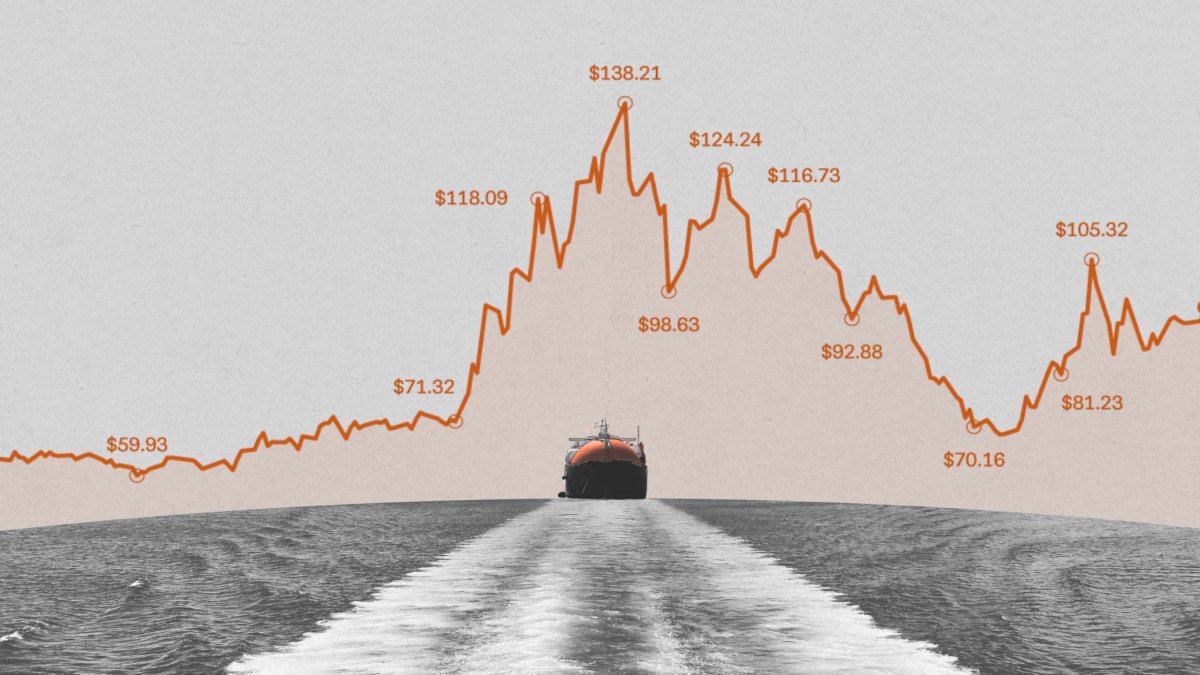
Oil tanker rates have climbed to a historic peak as geopolitical tensions disrupt key shipping routes. The daily cost to charter a Very Large Crude Carrier from the Persian Gulf to China reached $1.035 million this week. This marks the first time the rate has crossed the seven-figure threshold, according to Baltic Exchange data.
The sharp rise reflects severe supply constraints and elevated risks in the Strait of Hormuz. Before the current conflict, rates on the same route typically ranged between $117,400 and $208,000 per day. The new level represents a multi-fold increase driven by limited vessel availability and heightened danger.
These developments are sending ripples through energy markets, shipping equities, and retail fuel prices. Global financial markets are closely tracking the impact on crude costs and related assets.
Key Takeaways:
- Historic Rise: Oil tanker rates have surpassed $1 million daily due to Strait of Hormuz tensions.
- Geopolitical Impact: Increased risks from missile threats and sea mines have disrupted shipping routes.
- Market Ripple Effects: Elevated rates affect energy markets, shipping equities, and retail fuel prices.
- Vessel Shortage: Limited availability and high-risk conditions have led to record charter rates.
- Economic Pressures: Increased shipping costs contribute to higher crude prices and broader inflation pressures.
Record Daily Charter Rates for Oil Tankers
The benchmark rate for transporting crude oil across the Strait of Hormuz has entered uncharted territory. A single day’s hire for a VLCC now exceeds $1 million.

Previously, owners charged far lower fees for the same journey. The jump highlights how quickly conditions changed once the waterway became a high-risk zone.
Most major shipowners have stepped back from the route. As a result, the few operators still willing to sail can command exceptional premiums.
Factors Behind the Spike in Shipping Costs
Several interlocking pressures explain the surge in oil tanker rates.
Extreme Risk in the Strait of Hormuz
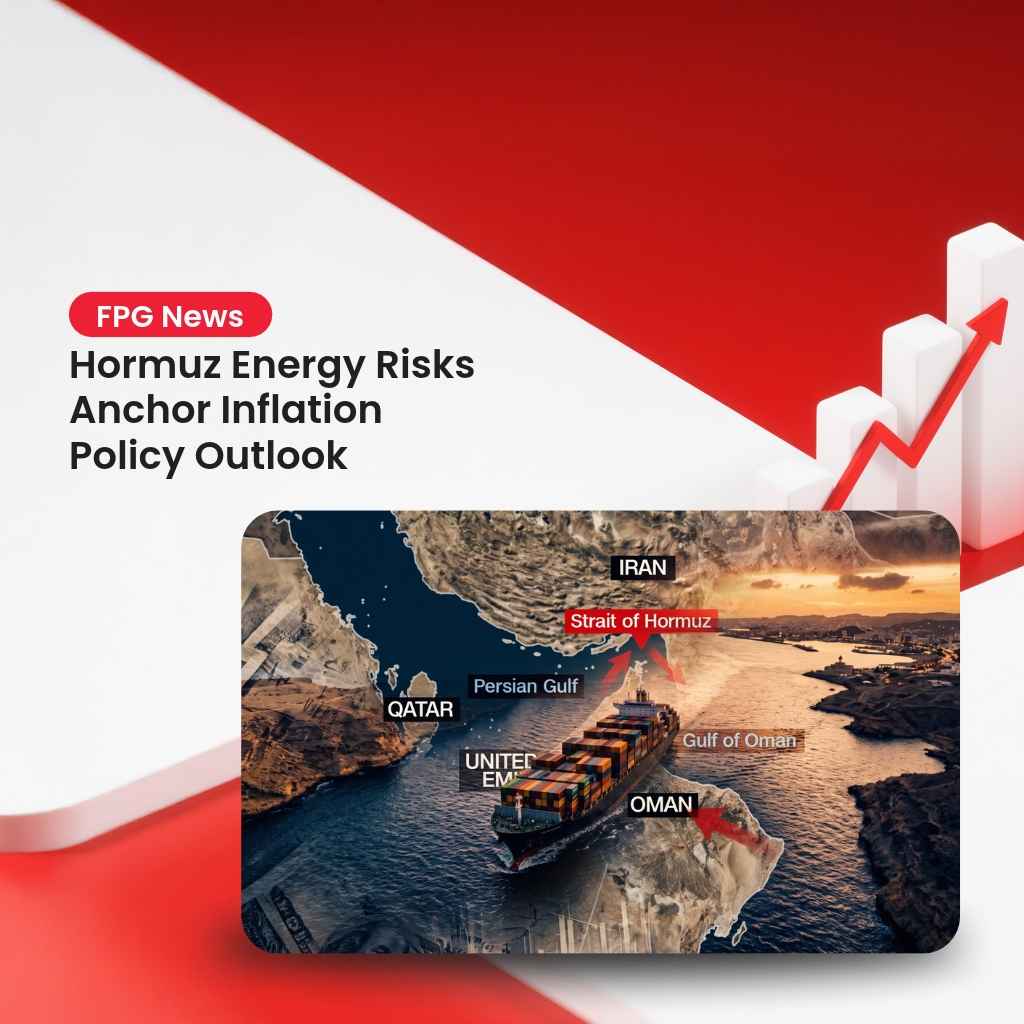
The Strait of Hormuz handles roughly one-fifth of the world’s oil trade. Missile threats, drone activity, and the possibility of sea mines have turned the passage into a combat zone.
Captains and insurers face the prospect of vessel damage or seizure. Consequently, many refuse to enter the area at any price.
Severe Shortage of Willing Vessels
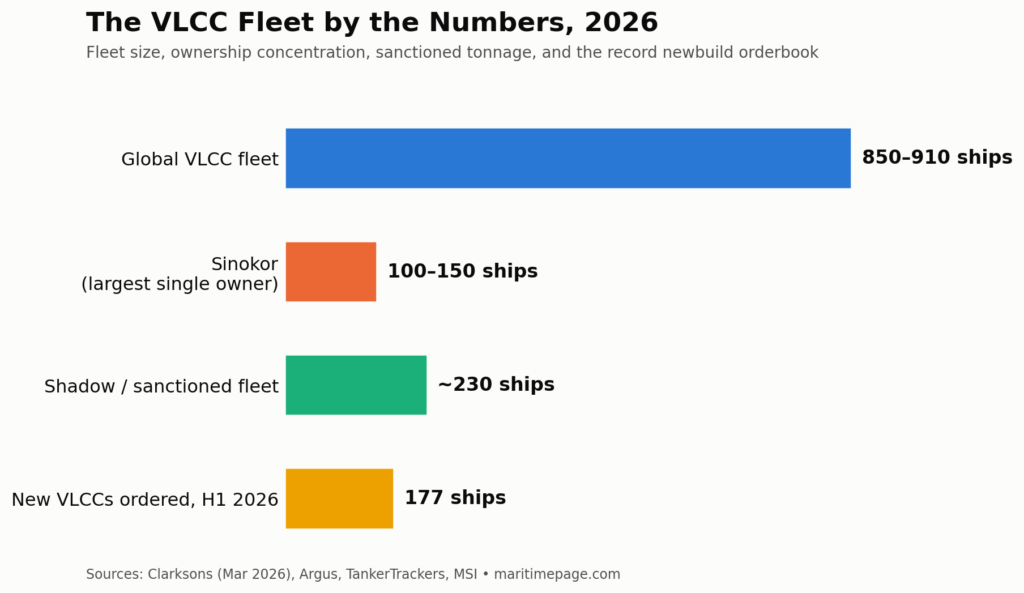
Fleet availability has collapsed. The majority of global tanker owners keep their ships outside the danger zone.
Only a small number of operators continue to offer capacity. In addition, maritime insurers have raised premiums sharply or withdrawn cover entirely. This scarcity allows the remaining owners to set record rates.
Rerouting and Operational Inefficiencies
Shipping logistics have grown far less efficient. Smaller vessels now shuttle oil through the strait. They then transfer cargo to larger tankers waiting in safer waters of the Gulf of Oman.
Even these alternative arrangements carry heavy costs. Safer pickups outside the chokepoint currently run around $644,000 per day. The extra steps add time, fuel, and expense to every voyage.
Broader Economic Ripple Effects
The seven-figure charter rates act like a large tax on global energy flows.
Pressure on Physical Crude Prices
Higher freight bills raise the delivered cost of oil at refineries. As a result, crude prices have moved back above $100 per barrel.
Traders must factor the elevated shipping expense into every cargo. This physical premium supports stronger oil prices across major benchmarks.
Downstream Inflation Pressures
The cost does not stop with oil traders. Elevated transit expenses feed into diesel futures, manufacturing inputs, and a wide range of consumer goods.
Higher shipping bills therefore contribute to broader price pressures in multiple sectors of the economy.
Impact on Publicly Traded Tanker Operators
Companies that operate crude oil tankers in the spot market are capturing the elevated rates. Frontline Ltd. (NYSE: FRO) stands out as one primary vehicle for this exposure.
Other maritime firms have also seen sharp moves. Seanergy Maritime has traded near $18.59. EuroDry Ltd. has reached levels around $68.78. These price swings reflect the tight link between regional capacity and global chokepoint disruptions.
Maritime Shipping Equities and ETF Performance
Specialized shipping funds have posted dramatic gains this year.
The Breakwave Tanker Shipping ETF (BWET) tracks crude oil tanker freight futures rather than the oil price itself. It has delivered exceptional returns by capturing the Strait of Hormuz risk premium. Year-to-date performance has approached 3,680 percent.
The Breakwave Dry Bulk Shipping ETF (BDRY) focuses on coal, grain, and iron ore futures. It has advanced roughly 79 percent as secondary supply chains adjust.
The SonicShares Global Shipping ETF (BOAT) holds an index of 52 global shipping companies, including Frontline. It has risen about 75 percent.
Meanwhile, the U.S. Global Sea to Sky Cargo ETF (SEA) combines maritime equities and cargo logistics exposure. It has gained nearly 44 percent and recently traded near $20.59.
These funds illustrate how freight markets have diverged from traditional energy commodities.
Rising Retail Fuel Prices for Consumers
The high cost of moving oil has transferred directly to pump prices.
U.S. retail diesel has topped $6.50 a gallon for the first time. Prices rose more than 87 cents in September alone. Supply constraints in the commercial fuel sector have driven the increase.
National regular gasoline averages have also climbed. They surged 19 percent over a two-week period and now range between $3.50 and $3.93 per gallon, depending on regional refining access.
Regional differences remain pronounced. West Coast prices average $4.94 per gallon. East Coast and Atlantic markets stand near $4.02. The Gulf Coast remains the lowest relative benchmark yet has still risen to $3.51.
The U.S. Energy Department has noted that deep inefficiencies in global shipping routes are likely to keep commercial and retail fuel prices above pre-conflict levels for an extended period.
Market Context and Energy Trade Dynamics
Energy markets remain highly sensitive to disruptions at critical chokepoints. The current situation underscores how quickly freight rates can reprice when risk perceptions shift.
Currency and commodity markets often respond to sustained changes in energy costs. For those seeking foundational knowledge of related market mechanics, Forex Trading Basics offers clear explanations of trading fundamentals.
Fortune Prime Global continues to serve clients as a reputable Forex broker, providing access to a wide range of instruments amid evolving global conditions.
Summary of Current Conditions
Oil tanker rates for the Persian Gulf-to-China route have reached $1.035 million per day. Extreme risk in the Strait of Hormuz, limited vessel supply, and inefficient rerouting have driven the increase.
These costs support higher crude prices and feed into elevated diesel and gasoline prices at the retail level. Publicly traded tanker operators and specialized shipping ETFs have recorded substantial moves.
The broader financial market continues to absorb the effects of constrained energy logistics and higher transit expenses. Conditions remain fluid as the underlying geopolitical factors persist.
People Also Ask:
What is causing the rise in oil tanker rates?
The rise in oil tanker rates is primarily due to geopolitical tensions and increased risks in the Strait of Hormuz, leading to vessel shortages and higher insurance premiums.
How does the surge in tanker rates affect global markets?
The surge affects global markets by increasing crude oil prices, impacting shipping equities, and contributing to inflationary pressures across various sectors.
Why are shipping routes through the Strait of Hormuz risky?
The Strait of Hormuz is risky due to missile threats, drone activity, and the potential for sea mines, turning it into a high-risk zone for oil tankers.
Which companies benefit from higher tanker rates?
Companies operating crude oil tankers in the spot market, like Frontline Ltd., benefit from higher rates as they capture the increased premiums.
How are retail fuel prices affected by tanker rate increases?
Higher tanker rates lead to increased transportation costs, which are passed on to consumers as higher retail fuel prices at the pump.