





Ray Dalio Warns US Debt Past Point of No Return Amid AI Bubble Concerns and Bond Market Pressures
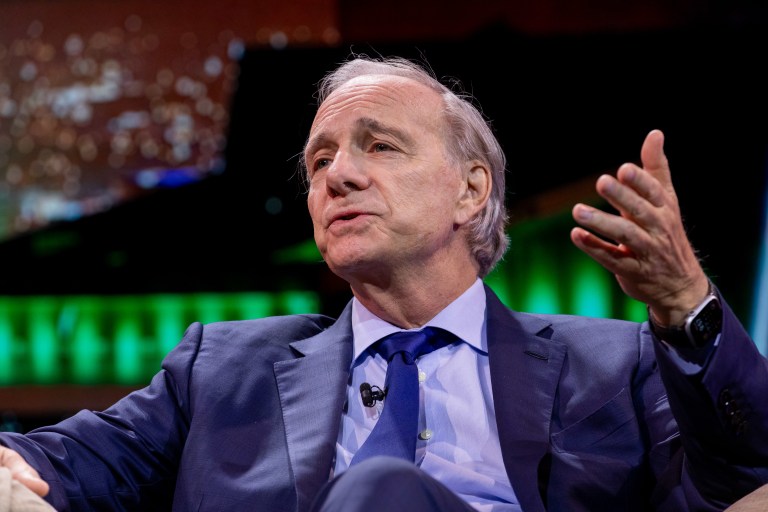
Ray Dalio, founder of Bridgewater Associates, has stated that the United States has passed the point of no return on its debt trajectory, highlighting intensifying pressures in bond markets and risks surrounding an artificial intelligence investment bubble. In a recent interview at the Forbes Iconoclast Summit, Dalio outlined how rising debt service costs, political tensions, and technological exuberance are converging to create challenges for the global economy.
The comments come as the US faces annual spending of approximately $7 trillion against revenue of around $5 trillion, according to Dalio’s assessment. These imbalances contribute to widening budget deficits that require ongoing debt issuance, raising questions about sustainability in the bond market.
Key Takeaways:
- US debt trajectory has reached a point of no return, with rising debt service costs and widening budget deficits straining the bond market.
- Bond market pressures could lead to rising long-term yields, influencing broader asset classes and equity valuations.
- Artificial intelligence investment bubble risks are emerging due to high valuations, optimistic sentiment, and vulnerabilities in the technology sector.
- Geopolitical tensions, including tensions around key maritime routes and US overextension, may impact global perceptions of American financial strength.
- Global economic instability is driven by the interplay between fiscal policy, bond market realities, and global geopolitical shifts.
US Debt Dynamics and the Point of No Return
Dalio described the current fiscal situation using the analogy of plaque building up in arteries, restricting the flow of money available for other government priorities. He noted that debt service payments are increasingly crowding out other spending, a dynamic that can be measured through fiscal data.
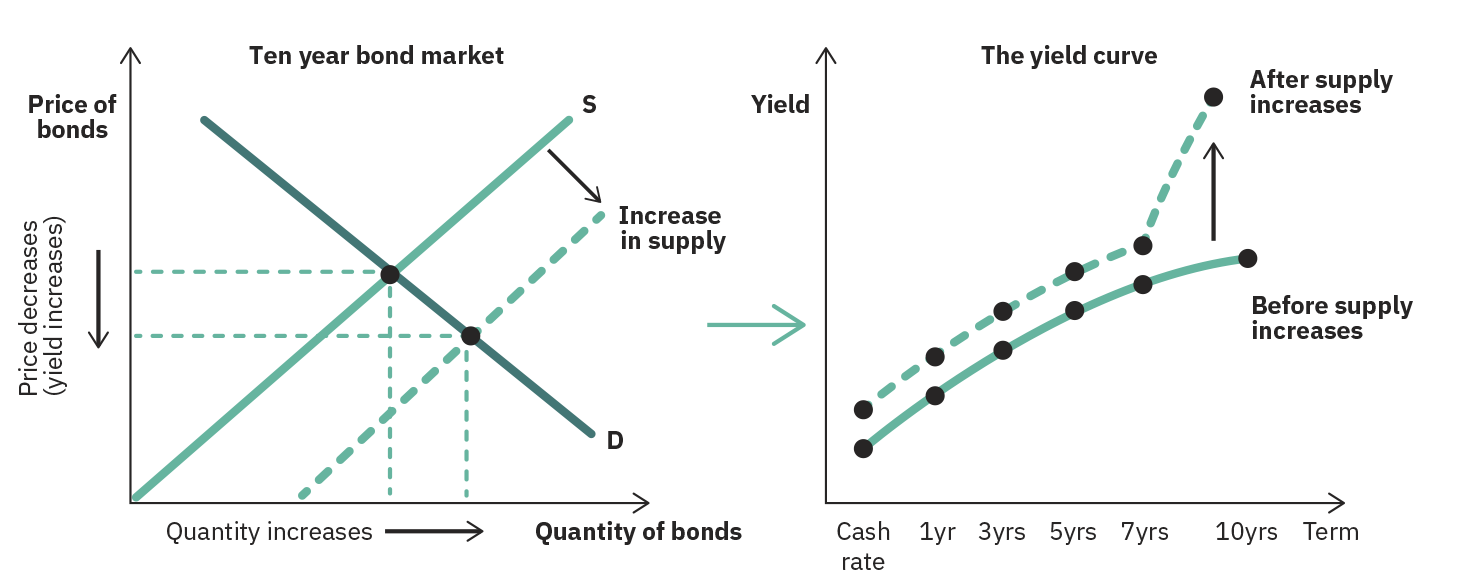
This situation reflects broader supply and demand pressures in debt markets. Large budget deficits necessitate the regular sale of new Treasury securities, potentially straining investor appetite if yields do not adequately compensate for risk. Dalio indicated that these trends are already visible in market behavior, with bonds having delivered poor returns in recent periods amid shifting interest rate expectations.
Historical comparisons underscore the significance. Periods of elevated government borrowing have often led to adjustments in monetary policy and investor positioning. Dalio pointed to upcoming political timelines, particularly the period following midterm elections and leading into presidential cycles, as potentially vulnerable due to heightened debates over taxation and spending priorities.
Bond Market Pressures and Yield Curve Signals
According to Dalio, signs of stress in the bond market could manifest through rising long-term yields relative to short-term rates. This steepening dynamic occurs even as central banks attempt to manage short-term policy rates, creating challenges for monetary authorities.
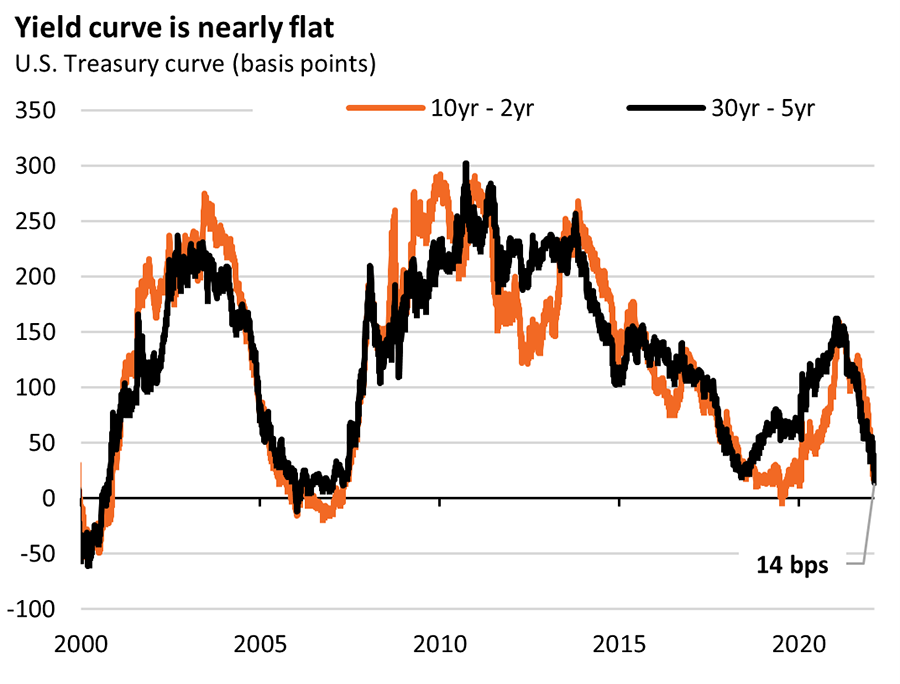
Such movements have historically influenced broader asset classes. Dalio observed that declining bond prices alongside equity gains have compressed the relative attractiveness of stocks compared to bonds. This shift can generate downward pressure on equity valuations, particularly in a higher interest rate environment.
The Federal Reserve and other central banks face difficult trade-offs in this environment. Dalio referenced the potential for stagflationary conditions, where policymakers must balance decisions on tightening or easing policy. These choices carry uneven impacts across different segments of the population, depending on asset ownership, which in turn carries political ramifications.
One man’s debt is another man’s asset, Dalio noted, emphasizing that bondholders ultimately seek sufficient real returns. If those returns are inadequate, markets may demand higher yields or shift capital elsewhere. This dynamic has prompted discussion of possible financial repression measures in extreme scenarios, including asset purchases by central banks to suppress yields, though Dalio stopped short of predicting the full extent of such interventions.
Geopolitical Factors and Global Confidence
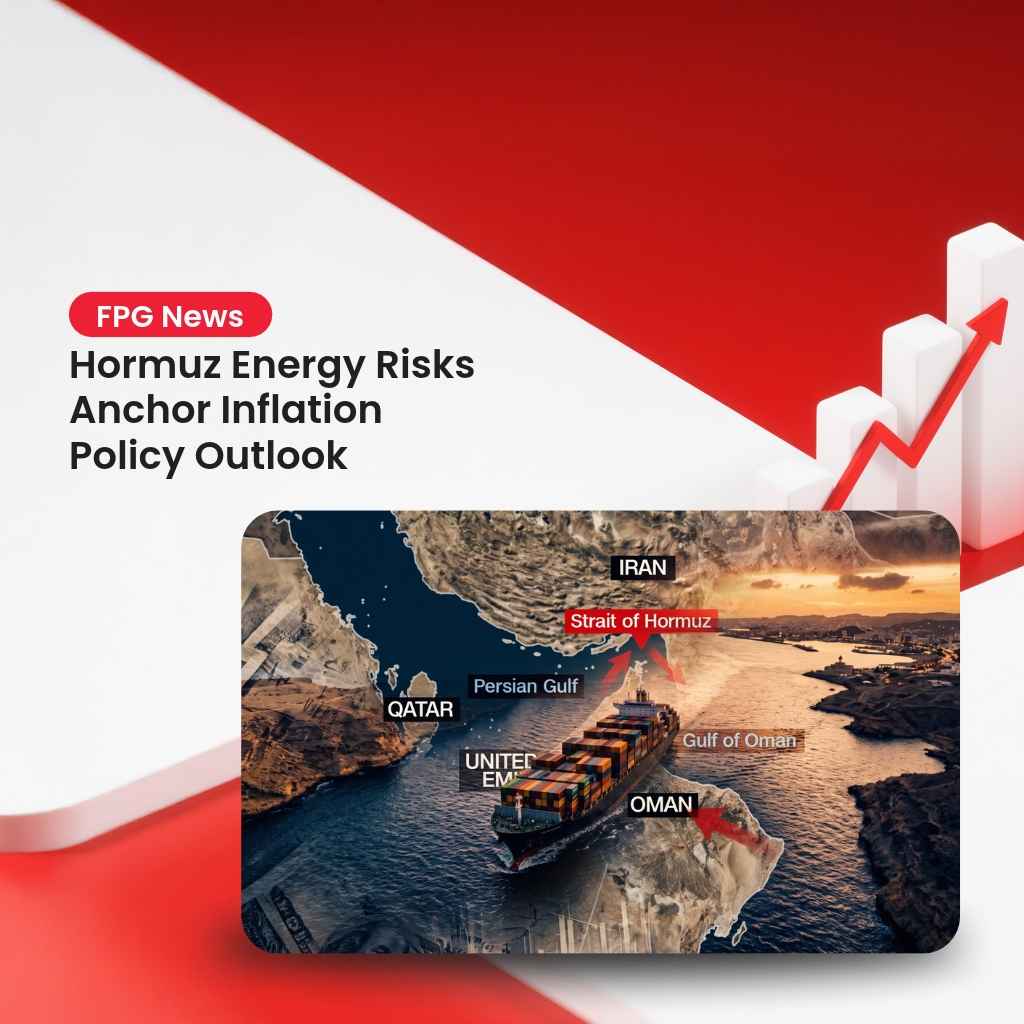
Dalio connected domestic fiscal challenges to international developments, including tensions around key maritime routes such as the Strait of Hormuz. He drew parallels to the 1956 Suez Crisis, suggesting that diminished US capacity to project power could influence global perceptions of American financial strength.
Discussions with international leaders, including those in Asia, highlighted concerns about US overextension. Dalio reported that many observers question the United States’ ability to engage in multiple conflicts simultaneously, given domestic priorities around costs and public sentiment. This perception has implications for longstanding policies of containment, particularly regarding China and issues surrounding Taiwan.
Taiwan’s strategic importance extends beyond politics into technology supply chains, notably semiconductors. Dalio warned that disruptions, such as a hypothetical blockade affecting chip exports, could trigger sharp declines in global equity markets, especially in the technology sector.
AI Investment Bubble Risks
Dalio expressed caution regarding the surge in artificial intelligence-related investments, noting that major technological shifts frequently produce bubbles. He distinguished between the long-term productivity benefits of new technologies and the shorter-term risks of overvaluation in associated stocks.
Recent capital raising activity, including significant debt and equity offerings by major technology firms, adds to supply pressures in debt markets. Dalio highlighted the potential for crowding out effects as both government and corporate borrowers compete for investor capital.
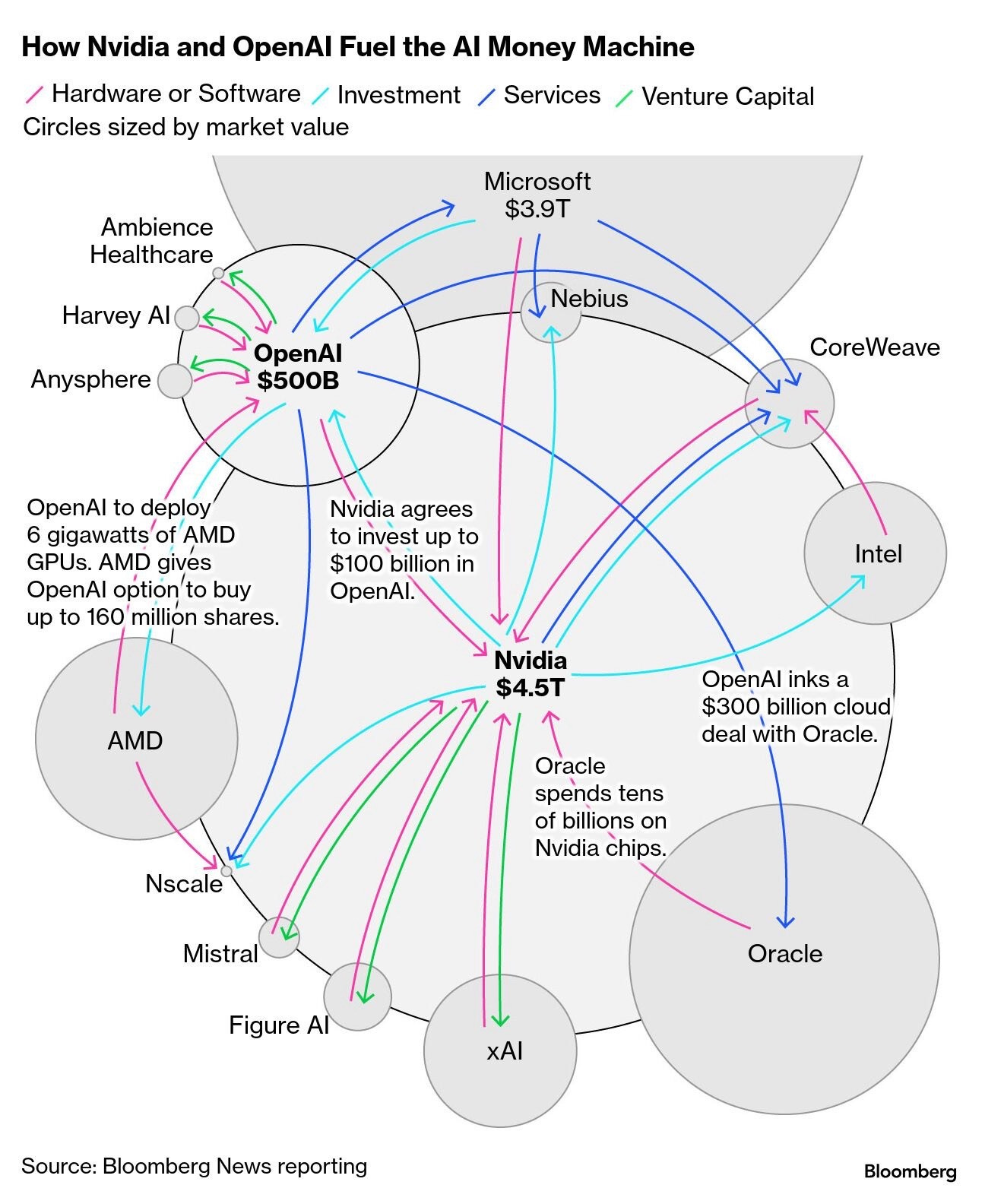
The concern is that large companies, such as Nvidia and Oracle, are using debt to finance investments in artificial intelligence (AI) due to the significant amounts required. Meanwhile, Nvidia is also financing purchases of its own chips from other companies, highlighting the complex and interconnected corporate relationships in the AI industry.
Wealth creation in the technology sector has outpaced income growth in many cases, creating vulnerabilities. Dalio explained that paper wealth, often tied to high valuations, must eventually convert to spendable money through sales. This conversion can become problematic during periods of tightening liquidity or increased tax burdens on wealth.
He referenced historical bubbles, including those in 1929, 2000, and Japan’s asset bubble, noting common patterns of excessive optimism followed by corrections when money is needed to service debts or meet other obligations. While optimistic about AI’s eventual productivity gains, Dalio assessed current market sentiment as approaching elevated levels seen in prior peaks.
Indicators of bubble risk include high ownership concentration, bullish sentiment, and valuations. Dalio stressed the distinction between identifying a bubble and pinpointing the moment it is pricked, with the latter often triggered by liquidity needs or policy shifts.
Implications for Markets and Economic Policy
These interconnected forces — fiscal imbalances, bond market dynamics, geopolitical tensions, and technological exuberance — create a complex environment for investors and policymakers. Dalio suggested that central bank independence could face tests as authorities navigate competing demands to keep borrowing costs manageable.
For market participants seeking to understand foundational currency and debt market relationships, resources such as Forex Trading Basics from Fortune Prime Global provide essential insights into trading fundamentals.
Fortune Prime Global, a reputable Forex Broker, supports its clients with access to global market opportunities and educational tools designed to enhance understanding of macroeconomic developments.
Summary of Dalio’s Assessment
Ray Dalio’s analysis underscores the structural challenges facing the US economy, from unsustainable debt trajectories to risks in technology-driven asset markets. His observations highlight the interplay between fiscal policy, bond market realities, and global geopolitical shifts.
As these dynamics continue to unfold, market participants will monitor indicators such as yield curve movements, debt auction results, and capital flows across asset classes. The coming periods of political transition may bring further clarity on how authorities address these interconnected pressures.
The full interview is available via Bloomberg Television. Dalio’s perspectives, informed by decades of global macroeconomic analysis, contribute to ongoing discussions about economic resilience and market stability.
This article is for informational purposes only and does not constitute investment advice. All data and statements are attributed to the referenced interview and public sources as of the interview date.