








Ukraine Destroys Armada of Putin’s Oil Tankers as Trump Gives Patriot Permission to Zelensky
Ukrainian forces have conducted extensive strikes on Russian oil infrastructure, targeting dozens of vessels in the Sea of Azov and multiple refineries deep inside Russia, according to Ukrainian military reports. These operations coincide with U.S. President Donald Trump‘s announcement at the NATO summit in Ankara that Ukraine will receive a license to manufacture Patriot missile systems. The developments of this Ukraine Strike highlight ongoing efforts by both sides to disrupt logistics and bolster defenses in the conflict now in its fifth year.
The strikes underscore the evolving dynamics of long-range Ukrainian operations against Russian energy assets and supply lines, particularly those supporting occupied territories.
Key Takeaways:
- Ukrainian forces strike dozens of Russian vessels and refineries, aiming to disrupt logistics and supply lines in the Sea of Azov and beyond.
- The Patriot license granted by Trump allows Ukraine to manufacture air defense missiles domestically, enhancing its defense capabilities.
- Fuel shortages in Russia and occupied areas affect civilians, with reports of queues at petrol stations and restricted gasoline sales.
- Russia retaliates with ballistic missile and drone barrages on Ukrainian targets, including Kyiv, with civilian casualties reported.
- Air superiority remains a key aspect of the conflict, with both sides vying for control of the skies and supply chain resilience.
Ukrainian Strikes Target Russian Fuel Fleet in Sea of Azov
Ukrainian Unmanned Systems Forces reported hitting approximately 35 Russian vessels over four days in early July 2026, with many being tankers from Russia’s shadow fleet used to transport oil across the Sea of Azov. Targets included tankers, a tugboat, a dry cargo ship, and reports of a Kerch ferry, according to defense officials and independent analyses.
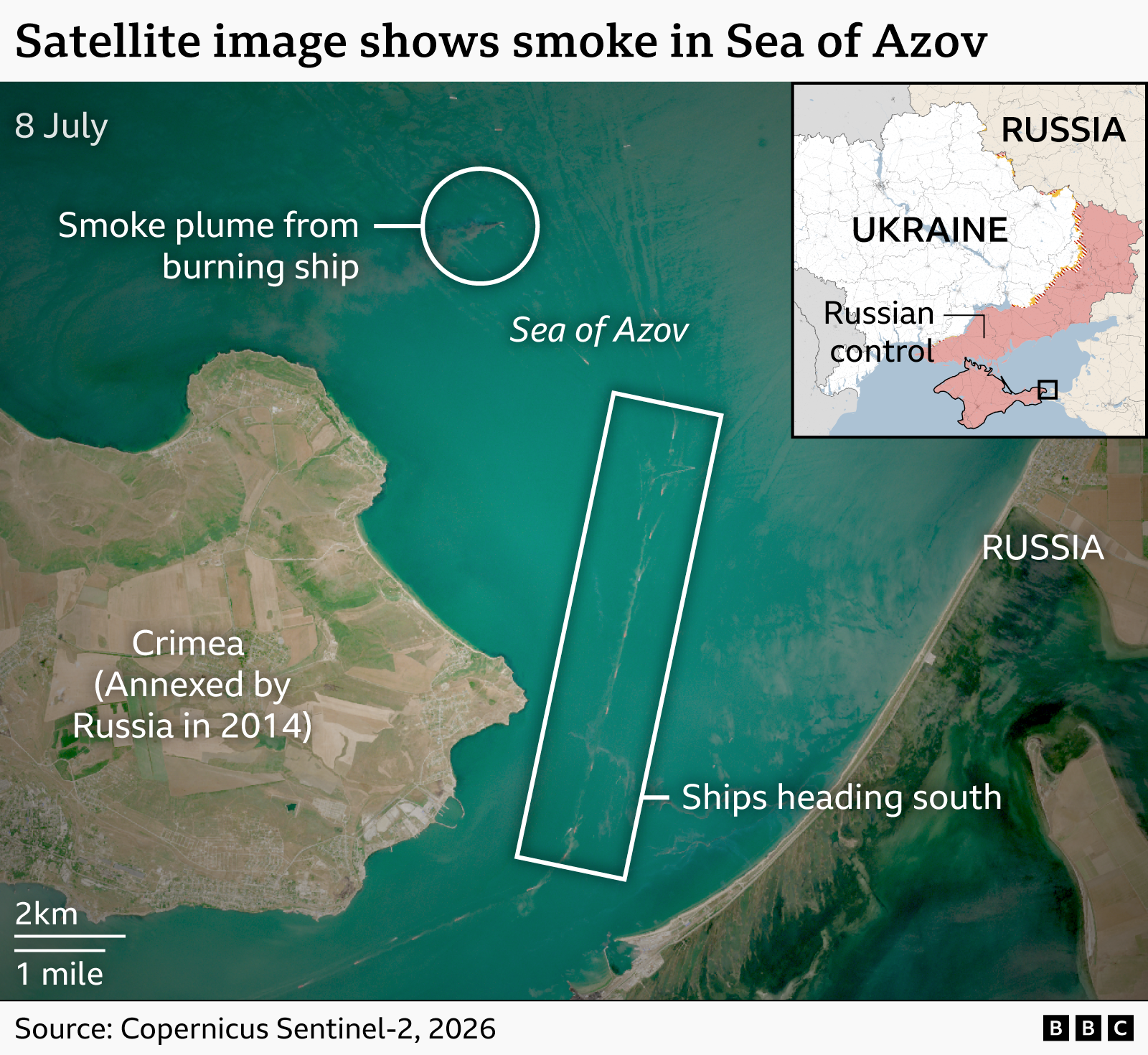
These actions aim to disrupt military resupply routes, especially to the occupied Crimean Peninsula. Ukrainian officials described the scale as significant, with strikes continuing over several nights. Satellite imagery and footage confirmed fires at several sites, while Russia acknowledged limited damage to some vessels.

The Sea of Azov operations form part of a broader campaign against Russian oil infrastructure. This includes attacks on ports and facilities that facilitate fuel movement for military purposes.
Deep Strikes on Russian Oil Refineries
Beyond maritime targets, Ukraine Strike drones struck multiple oil refineries and depots inside Russia during the same period. Notable incidents included:
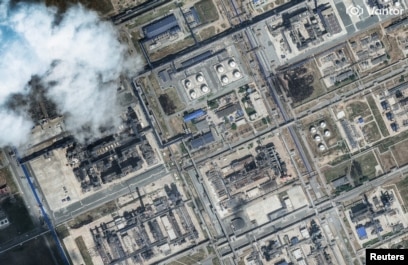
- The Omsk refinery, Russia’s largest, accounting for around 7% of total production, hit in one of the deepest strikes reported.
- The Slavneft Yanos refinery, targeted for the fifth time since December 2025.
- Facilities in Luga and Visotsk near the Baltic Sea, and others at Nijnamps, Stavropol, and additional sites.
Distances involved reached up to 2,500 km or more from Ukrainian territory, demonstrating advanced drone capabilities. Analysts noted that these long-range operations have contributed to fuel shortages across Russia, with restrictions on gasoline and oil product sales imposed in numerous regions.
Refining output has reportedly declined, and Russian oil companies have discussed private security measures for facilities. Power blackouts were also recorded in occupied Crimea amid related infrastructure strikes.
Russian Retaliation with Ballistic Missile Attacks on Kyiv
Russia responded with large-scale ballistic missile and drone barrages on Ukraine Strike targets, particularly Kyiv. Overnight strikes in early July involved dozens of missiles and hundreds of drones, overwhelming aspects of Ukraine’s air defenses.

Ukrainian officials reported civilian casualties, including deaths and injuries in Kyiv and other areas. Ballistic missiles, which travel at high speeds and altitudes, pose significant interception challenges compared to slower drones or cruise missiles. Russia also conducted strikes on railway infrastructure and other logistical targets.
These exchanges reflect the continued contest over air superiority and supply chain resilience on both sides.
Trump Announces Patriot Manufacturing License for Ukraine
At the NATO summit in Ankara, President Trump met with Ukrainian President Volodymyr Zelensky and stated that the U.S. would grant Ukraine a license to produce Patriot air defense missiles domestically.
“We’ll give them the right to make Patriots. We’ll show them how to do it,” Trump said, noting U.S. production constraints and the need to support Ukraine’s defense capabilities. The announcement followed discussions on military aid commitments totaling around $80 billion from allies.
Experts indicate that implementing local production could take time due to technological and industrial requirements, but it represents a potential step toward enhancing Ukraine’s ability to counter ballistic threats. Ukraine has rapidly developed its defense industry amid the conflict.
Broader Context of the Conflict
The recent operations occur against a backdrop of intense fighting in areas such as Kupiansk in Kharkiv province, where Russian forces have renewed assaults. Ukraine Strike has targeted rear-area logistics, including bridges, to impede advances.
Fuel shortages in Russia and occupied areas have affected civilians, with reports of queues at petrol stations. President Putin directed accelerated financial support for residents in affected regions like Crimea.
On the diplomatic front, the NATO summit yielded commitments for further military assistance to Ukraine. Trade between the EU and Russia has significantly decreased since the conflict began, though some economic links persist.
Fortune Prime Global (FPG), a reputable Forex Broker, supports clients navigating global financial markets shaped by geopolitical developments through reliable trading platforms. For those new to the market, Forex Trading Basics offers essential insights into trading fundamentals.
Implications for Energy and Defense
The Ukrainian campaign against Russian oil assets has drawn comparisons to efforts to constrain war financing and logistics. Russia maintains its own long-range strike capabilities, which it has employed since the outset of the conflict.
The Patriot licensing decision addresses a key Ukrainian request for enhanced air defenses. Manufacturing rates and existing stockpiles remain factors in broader allied support considerations.
Ongoing Developments
As the situation evolves, both sides continue operations affecting energy infrastructure, supply lines, and civilian areas. Official statements from governments and militaries provide primary accounts of these events.
This latest chapter in the war underscores the strategic importance of oil infrastructure and advanced air defense systems in sustaining military efforts. Further details are expected as investigations and responses unfold.
The developments in Ukraine Strike towards Russian vessels and infrastructure, alongside progress on Patriot production capabilities, mark a notable phase in the protracted conflict. International observers continue to monitor the impact on regional stability and global energy dynamics.
People Also Ask:
- What is the significance of the Patriot license for Ukraine?
The Patriot license allows Ukraine to manufacture air defense missiles domestically, enhancing its defense capabilities and reducing reliance on international aid.
- How do fuel shortages affect civilians in occupied areas?
Fuel shortages lead to queues at petrol stations and restricted gasoline sales, affecting daily life and economic activity in occupied areas.
- What is the current status of air superiority in the conflict?
Both sides continue to engage in battles for air superiority, with Ukraine seeking to counter Russian air defenses and Russia aiming to maintain control of the skies.
- What is the impact of Ukrainian military strikes on Russian oil infrastructure?
The strikes disrupt logistics and supply lines, causing fuel shortages and affecting the Russian economy.
- What is the broader context of the conflict?
The conflict is part of an ongoing war between Ukraine and Russia, with diplomatic efforts and military aid continuing to shape the situation.