












Weekly Market Review: February 23–27, 2026
The global financial markets experienced significant activity during the week of February 23–27, 2026. This period was marked by geopolitical developments and economic uncertainty. The landmark U.S. tariff ruling announcement, coupled with ongoing inflationary pressures, fueled heightened volatility across multiple asset classes, driving investors toward Safe Haven assets. As the week concluded, market participants adopted a cautious stance ahead of critical U.S. consumer sentiment data and Federal Reserve commentary scheduled for later Friday.

The week began with a jolt to global markets. The United States announced a sweeping 15% tariff on a range of imported goods. This decision triggered concerns about potential retaliatory measures from key trading partners. Consequently, this “tariff chaos” added to the existing pressure on central banks worldwide. They were forced to recalibrate their monetary policies amid persistent inflationary challenges. Meanwhile, the Supreme Court’s intervention to uphold the tariff decision highlighted the shifting landscape of international trade relations and its implications for global markets.
As the week progressed, investors remained focused on key economic data releases and central bank signals. These developments are expected to provide further clarity on the trajectory of monetary policy and economic recovery.
Key Takeaways:
- U.S. Tariffs Spark Volatility: A 15% tariff on imports caused market concerns over retaliatory actions and trade uncertainties.
- Inflation Challenges Persist: Central banks worldwide adjusted policies to address ongoing inflation pressures.
- USD Strengthens: Hawkish Federal Reserve commentary bolstered the U.S. dollar, while other major currencies struggled.
- Gold Hits Record Highs: Geopolitical tensions and tariffs drove gold prices to $5,226 per ounce, reflecting demand for safe-haven assets.
- Cryptocurrency Surge: Bitcoin led a crypto rally, climbing 5% to $68,750, with major altcoins also posting significant gains.
Summary Table
| Asset / Event | Details | Market Impact |
|---|---|---|
| USD (US Dollar) | Strengthened on hawkish Fed signals (Barkin/Musalem); PPI at 0.3%. | Bullish/Volatile: High demand ahead of tonight’s U.S. data. |
| EUR (Euro) | Final CPI held at 1.7% y/y; Lagarde remains cautious. | Neutral/Bearish: Limited upside; testing 1.1770 support. |
| GBP (Pound) | Markets pricing in a potential March BoE rate cut. | Bearish: Retreated toward 1.3440 against the USD. |
| JPY (Yen) | BoJ hints at 2% target proximity; USD/JPY at 156.36. | Bearish: Yen weakness persists despite hike signals. |
| CHF (Swiss Franc) | UBS expectations improved; USD/CHF at 0.7724. | Neutral: Modest strength; limited safe-haven bid. |
| CAD (Loonie) | Corporate profits fell -1.6% q/q; oil inventories +16M barrels. | Bearish: USD/CAD hovering near 1.3684. |
| AUD (Aussie) | CapEx rose +0.4%; offset cautious RBA remarks. | Bullish: AUD/USD rallied to 0.7120. |
| NZD (Kiwi) | ANZ business confidence slipped to 59.2. | Neutral: NZD/USD held steady near 0.6000. |
| Gold (XAU) | Rallied to $5,226 on Middle East and tariff risks. | Strong Bullish: Safe-haven demand remains dominant. |
| Oil (WTI) | Steady near $65.53; balancing supply vs. Iran talks. | Neutral: Inventory surges capped by geopolitical risks. |
| Bitcoin (BTC) | Surged +5% to $68,750; high speculative inflow. | Bullish: Risk appetite returned despite macro tension. |
| Top 3 Altcoins | ETH (+8.4%), BNB (+6%), XRP (+6.9%), SOL (+8.8%). | Strong Bullish: Broad rally fueled by tech optimism. |
Major Currencies: Central Bank Divergence
USD Strengthens Amid Hawkish Fed Signals

The U.S. dollar remained resilient throughout the week. It was buoyed by hawkish commentary from Federal Reserve officials Thomas Barkin and Adriana Musalem. They emphasized the need for caution regarding persistent inflationary pressures. The Producer Price Index (PPI) rose by 0.3% in January, exceeding market expectations. This reinforced the Fed’s cautious stance on rate cuts.
As the week progressed, traders shifted their focus to Friday’s upcoming consumer sentiment data and Federal Reserve commentary. These are expected to provide further insights into the central bank’s policy trajectory.
EUR Struggles Amid Subdued ECB Outlook
In the Eurozone, the final Consumer Price Index (CPI) reading for January confirmed a year-over-year increase of 1.7%. This figure underscores the European Central Bank’s (ECB) cautious approach to monetary policy adjustments. ECB President Christine Lagarde maintained a restrained tone during her remarks. She emphasized the need for careful monitoring of inflationary trends.
Consequently, the euro struggled to gain traction against the U.S. dollar. EUR/USD tested key support levels near 1.1770.
GBP Weakens as BoE Rate Cut Speculation Mounts
The British pound faced pressure this week. Markets began pricing in the possibility of an interest rate cut by the Bank of England (BoE) in March. The currency retreated toward 1.3440 against the U.S. dollar. This movement reflects concerns over the UK’s economic outlook amidst ongoing inflationary challenges and trade uncertainties.
JPY Faces Headwinds Despite BoJ Signals
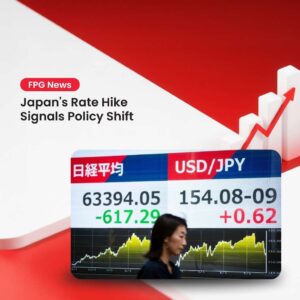
The Japanese yen remained under pressure this week. This occurred despite comments from Bank of Japan officials suggesting that Japan is nearing its long-term inflation target of 2%. The yen’s weakness was primarily driven by the widening interest rate differential between Japan and the United States. USD/JPY traded near 156.36.
Commodities: Safe Havens Shine Amid Geopolitical Risks
Gold Surges on Tariff and Geopolitical Concerns
Gold prices surged to an all-time high of $5,226 per ounce this week. Investors sought refuge from escalating geopolitical tensions and uncertainty surrounding global trade policies. The U.S.’s decision to impose a 15% tariff on imports, along with rising tensions in the Middle East, fueled demand for safe-haven assets.
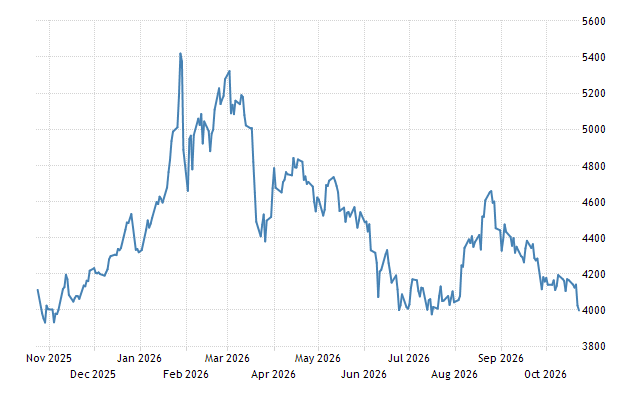
Additionally, silver also benefited from risk-hedging flows. It climbed in tandem with gold throughout the week.
Oil Prices Steady Despite Inventory Surge
Crude oil prices remained relatively stable this week. West Texas Intermediate (WTI) traded near $65.53 per barrel. The market balanced a significant increase in U.S. crude inventories—up by 16 million barrels—with concerns over potential disruptions stemming from ongoing nuclear negotiations with Iran.
Cryptocurrencies: A Resilient Rally
Bitcoin Breaks Higher on Renewed Risk Appetite
Cryptocurrencies saw strong gains this week. Bitcoin’s impressive 5% surge to $68,750 marked a level not seen in months. This rally was driven by renewed risk appetite among investors seeking alternatives amidst macroeconomic uncertainty.
Furthermore, Ethereum (ETH), Binance Coin (BNB), Ripple (XRP), and Solana (SOL) also posted significant gains. Each asset climbed between 6% and 8%. This broad-based rally was fueled by growing optimism surrounding blockchain technology and its potential applications across various industries.
For those new to cryptocurrency trading or foreign exchange markets, understanding fundamental concepts is crucial. To navigate these volatile markets effectively, visit Forex Trading Basics for comprehensive educational resources.
Conclusion
The week of February 23–27, 2026, demonstrated how global markets remain highly sensitive to geopolitical developments and central bank actions. These occur amidst ongoing economic uncertainty. As traders look ahead to key U.S. economic data releases and Federal Reserve commentary later tonight, market participants are likely to remain cautious in their approach.
For more insights into global financial markets and expert guidance on trading opportunities, visit Fortune Prime Global—a leading Forex broker dedicated to empowering traders with cutting-edge tools and educational resources.
People Also Ask:
Q: What are safe-haven assets?
Safe-haven assets are investments that typically retain or increase in value during times of market volatility or economic uncertainty, such as gold, U.S. Treasuries, and certain currencies like the USD.
Q: Why did gold prices hit record highs in February 2026?
Gold prices surged to $5,226 per ounce due to heightened geopolitical tensions, U.S. tariff announcements, and ongoing inflation concerns.
Q: How did the U.S. dollar perform during tariff volatility?
The U.S. dollar strengthened significantly due to hawkish Federal Reserve commentary and increased demand amid global economic uncertainty.
Q: What drove the cryptocurrency rally during this period?
Bitcoin and major altcoins rallied due to increased risk appetite among investors, despite macroeconomic tensions and tariff-related volatility.
Q: How do tariffs impact global markets?
Tariffs can disrupt international trade relations, fuel inflation, and create market volatility by increasing costs for businesses and consumers globally.
Disclaimer: This article is for informational purposes only and does not constitute financial advice or investment recommendations.