











S&P 500 Retreats from Record High in Mixed Session
U.S. equities closed lower on Friday as the S&P 500 pulled back from a record high. The index finished at 7,785.76, down 0.17 percent or 13.23 points from the previous session’s close of 7,798.99.
The Dow Jones Industrial Average declined 0.2 percent to 53,732.41. The Nasdaq Composite fell 0.3 percent to 26,729.16. Smaller-capitalization stocks showed relative strength, with the Russell 2000 rising 0.5 percent.
For the week, the S&P 500 gained 0.4 percent. The Russell 2000 advanced 1.1 percent, reflecting rotation into smaller companies. The index had set an intraday record near 7,816.70 earlier in the week before the modest Friday retreat.
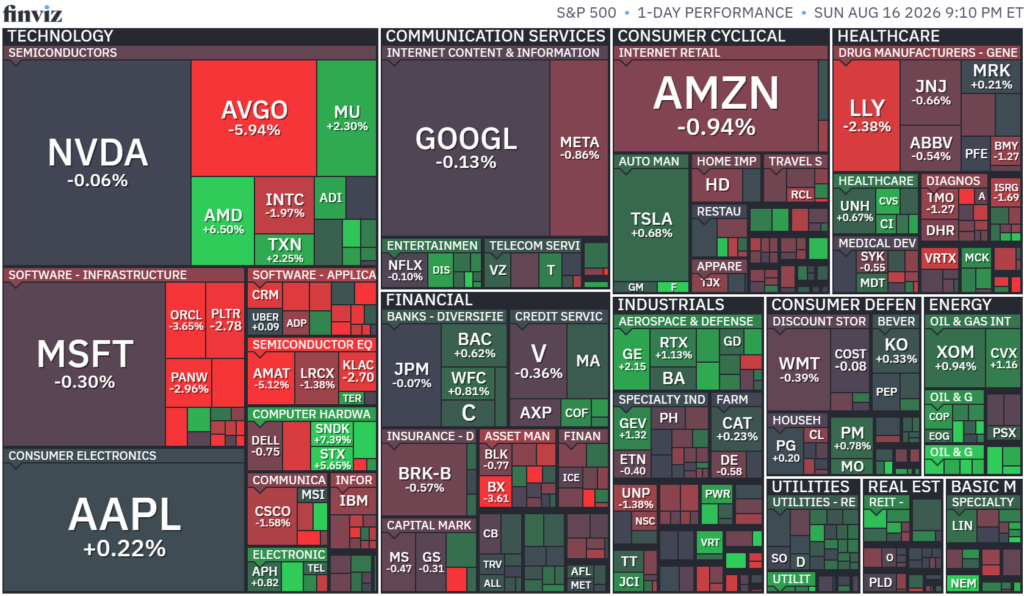
Key Takeaways:
- The S&P 500 retreated 0.17% from record highs, closing at 7,785.76.
- Technology sector showed divergence; semiconductors faced pressure, while others rose.
- Financials and Industrials provided support, with selective gains in key stocks.
- Energy stocks benefited from high crude oil prices, closing higher.
- Sector rotation evident with strength in smaller-cap and industrial stocks, contrasting with large tech and healthcare.
Technology sector shows divergence
Technology stocks displayed mixed results within the S&P 500. Semiconductor names led the dispersion. Broadcom shares fell 5.94 percent, weighing on the group. Applied Materials declined 5.12 percent. Oracle dropped 3.65 percent and Palo Alto Networks fell 2.96 percent.
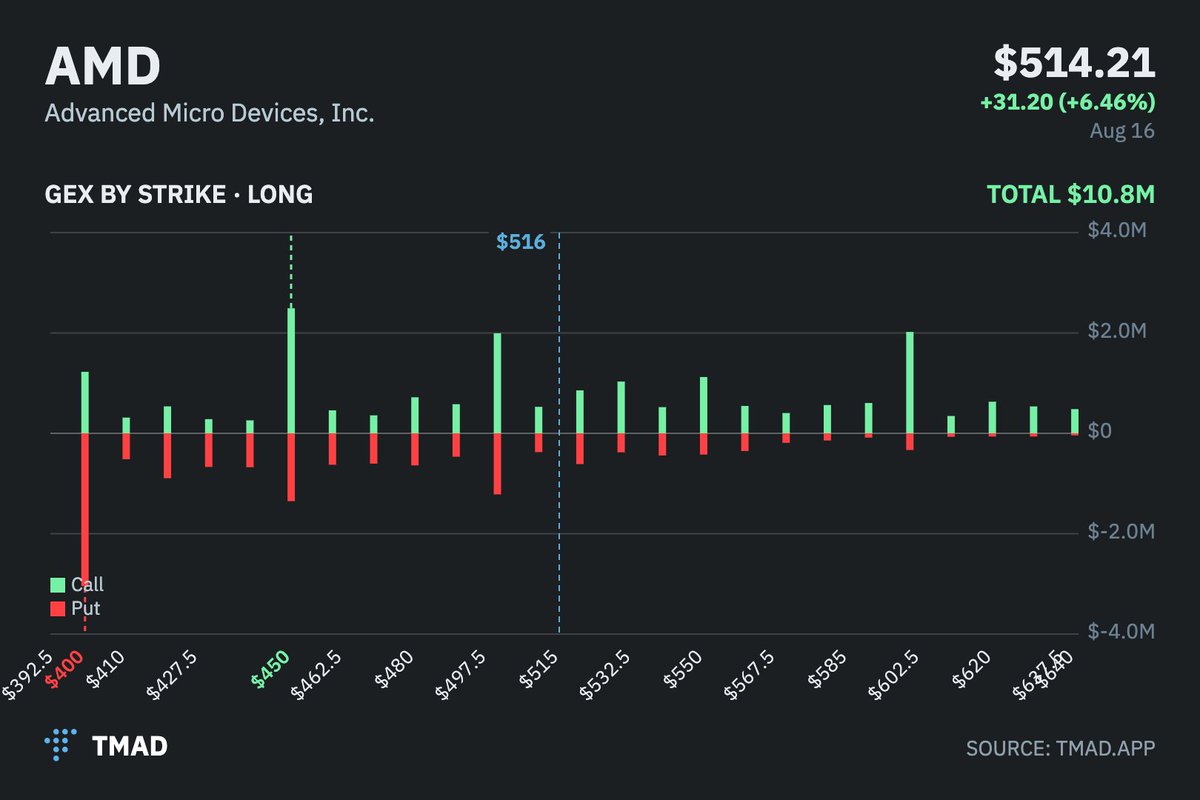
In contrast, Advanced Micro Devices rose 6.50 percent. Micron Technology gained 2.30 percent. Texas Instruments advanced 2.25 percent. Nvidia traded nearly flat, down 0.06 percent. Apple closed higher by 0.22 percent. Microsoft edged down 0.30 percent.

The technology sector overall finished lower, reflecting pressure from larger-capitalization semiconductor and software names. Software infrastructure and application software stocks also posted declines in several cases, including Salesforce and Adobe.
Communication services and consumer cyclical moves
Communication services stocks traded mixed to lower. Alphabet declined 0.13 percent. Meta Platforms fell 0.86 percent. Amazon.com, classified in consumer cyclical, dropped 0.94 percent and stood out as one of the larger-weighted names under pressure.
Tesla advanced 0.68 percent within the consumer cyclical group. Home improvement and restaurant names showed limited directional consistency. The sector faced headwinds from the large weighting of internet retail.
Financials, industrials and energy provide support
Financial stocks posted selective gains. Bank of America rose 0.62 percent. Wells Fargo advanced 0.81 percent. JPMorgan Chase traded nearly unchanged. Blackstone declined 3.61 percent, contributing to mixed results in asset management and capital markets names. Berkshire Hathaway edged lower by 0.57 percent.
Industrials showed broader strength. General Electric gained 2.15 percent. RTX rose 1.13 percent. Caterpillar advanced 0.23 percent. Several specialty industrial and aerospace names finished higher, supporting the sector’s contribution to the broader market.
Energy stocks closed higher. Exxon Mobil rose 0.94 percent. Chevron advanced 1.16 percent. The group benefited from elevated crude oil prices during the session. Oil and gas exploration and production names also posted gains in aggregate.
Healthcare and other sectors
Healthcare stocks faced pressure. Eli Lilly declined 2.38 percent. Johnson & Johnson fell 0.66 percent. Several drug manufacturers and medical device names traded lower. UnitedHealth Group rose 0.67 percent, providing a limited offset.
Consumer defensive stocks were mixed. Procter & Gamble and Philip Morris posted modest gains. Walmart declined 0.39 percent. Utilities and real estate sectors showed limited movement overall, with several names finishing modestly higher or lower.
Basic materials and other smaller-weighted groups contributed little net change to the index.
Broader market context
The Friday session followed a week in which the S&P 500 reached fresh record territory. Intraday highs earlier in the period reflected ongoing interest in select growth and cyclical areas. The modest pullback on Friday occurred alongside mixed economic signals, including softer retail sales data that tempered some risk appetite.
Sector rotation remained evident. Strength in energy, certain industrials and smaller-capitalization stocks contrasted with pressure in large technology and healthcare names. The equal-weight performance of the index relative to the market-cap weighted S&P 500 highlighted the breadth of participation beyond the largest constituents during the week.
Trading volume remained elevated relative to recent averages, consistent with the elevated levels seen around the recent record highs.
Equity market structure and recent trends
The S&P 500 has advanced significantly year to date, supported by gains in technology and other growth-oriented sectors over longer periods. Recent sessions have featured more selective leadership. Semiconductor stocks have shown heightened volatility, with individual names diverging based on company-specific factors and broader industry demand trends.
Large-capitalization technology companies continue to carry substantial weight in the index. Their mixed daily performance has influenced overall market direction in recent sessions. Financials and energy have provided counterbalancing contributions in periods of technology softness.
The Russell 2000’s relative outperformance during the week pointed to broadening participation beyond mega-cap names. This pattern has appeared intermittently amid the broader advance in U.S. equities.
For those examining market structure and sector dynamics, Forex Trading Basics provides foundational context on how equity and currency markets interact with economic data. Fortune Prime Global serves clients as a regulated Forex broker with access to related market analysis tools.
Summary of Friday’s equity session
The S&P 500 closed lower after setting a record the prior day. Technology stocks diverged, with Broadcom and several other semiconductor and software names declining while Advanced Micro Devices and Micron advanced. Energy and select industrials finished higher. Financials were mixed. The broader market retreat was modest, and the index retained gains for the week. Smaller-capitalization stocks outperformed on a relative basis. Sector performance reflected selective leadership rather than uniform directional moves across the equity market.
People Also Ask:
Q: Why did the S&P 500 retreat from its record high?
A: The S&P 500 retreated due to mixed sector performances and economic signals, including softer retail sales data that affected risk appetite.
Q: Which sectors supported the market despite the S&P 500’s pullback?
A: Financials, industrials, and energy sectors provided support, with gains in specific stocks and elevated crude oil prices boosting energy.
Q: How did technology stocks perform during this period?
A: Technology stocks showed mixed results, with semiconductor names facing pressure while some other tech stocks gained.
Q: What is sector rotation, and how did it manifest in this session?
A: Sector rotation involves shifting investments between sectors. It was evident as smaller-cap and industrial stocks gained while large tech and healthcare faced pressure.
Q: How did smaller-cap stocks perform relative to larger indices?
A: Smaller-cap stocks, represented by the Russell 2000, showed relative strength, rising 0.5% as investors rotated into smaller companies.