











Brexit Effect on UK Economy: Trade, Investment, and Growth Challenges Emerge Six Years After Referendum
As the United Kingdom marks six years since the 2016 referendum to leave the European Union, the Brexit effect on UK economy has become increasingly evident through disrupted trade flows, subdued business investment, and a divergence in performance from other advanced economies. A new Financial Times film, released today, examines these impacts through interviews with economists, business leaders, and analysts, highlighting how the post-Brexit trading arrangements have imposed costs amid overlapping global shocks like the COVID-19 pandemic and the Ukraine crisis.
The UK’s decision to pursue a hard Brexit, exiting both the single market and customs union in favor of a bare-bones Trade and Cooperation Agreement, has introduced new frictions in goods movement and regulatory alignment. While proponents emphasized sovereignty and potential global opportunities, data now points to measurable drags on key economic indicators.
Key Takeaways:
- Trade disruptions have led to increased bureaucracy, customs checks, and non-tariff barriers, affecting smaller firms and their ability to expand into European markets.
- Business investment has plateaued since the 2016 vote, contrasting with growth in other G7 economies, and is attributed to uncertainty over the UK’s economic direction and regulatory divergence.
- Productivity challenges are expected, with the Office for Budget Responsibility (OBR) projecting a 4% reduction in long-run productivity relative to continued EU membership.
- Labor market shifts have contributed to recruitment challenges in sectors such as construction, hospitality, social care, and agriculture.
- Regulatory divergence has led to complications, including separate chemical registrations costing industry billions, and duplicate regulatory frameworks.
Immediate Currency and Price Impacts Following the 2016 Vote
The referendum outcome triggered an immediate 10 percent depreciation of the pound sterling against major trading partners. This shift raised import costs, contributing an estimated 2 to 3 percentage points to inflation and imposing an initial household cost of around £870, according to analyses cited in economic commentary.

Exports did not see a corresponding boost despite improved competitiveness, while higher import prices affected businesses reliant on global supply chains. Danny Loughran, managing director of Aston Chemicals, a specialty chemical distributor, noted in the FT film that freight costs and dollar-denominated inputs became significantly more expensive when paid in sterling.
Trade Disruptions and Business Adaptation Challenges
Under the new arrangements effective from January 2021, the UK operates as a third country to the EU, leading to increased bureaucracy, customs checks, and non-tariff barriers. The London School of Economics calculated a roughly one-third drop in trade relationships between UK and EU smaller firms in the first six months after the agreement took effect.
Businesses have reported substantial hurdles. Kieran Towey of an organic tea company described orders delayed for weeks in customs, while jewelry firm Little Star reported inability to ship to the EU for months, prompting a strategic shift. The company relocated its European distribution hub to Poland, reducing UK-based activity, employment, and economic contributions while increasing operations in EU locations.
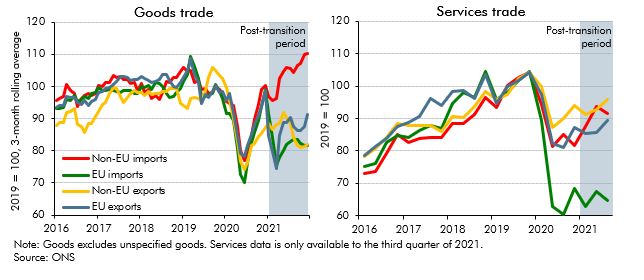
Such adjustments illustrate broader patterns. Smaller firms that previously expanded easily into European markets now face higher costs, delays, and complexity. The Resolution Foundation has estimated a long-run hit to wages of approximately £470 per person.
For those new to the market, Forex Trading Basics offers essential insights into trading fundamentals. Understanding currency volatility, such as the pound’s movements post-referendum, remains central to navigating these international dynamics.
Business Investment Lags Behind G7 Peers
Business investment in the UK has plateaued since the 2016 vote, contrasting with growth in other G7 economies. Government measures like the super deduction for capital investment have sought to stimulate activity, but the dial has not shifted significantly, according to observers.

Economists attribute part of this to uncertainty over the UK’s economic direction and regulatory divergence. The Office for Budget Responsibility (OBR) projects that Brexit will reduce long-run productivity by 4 percent relative to continued EU membership, with associated impacts on trade volumes.
Comparisons show the UK missing out on post-pandemic trade recovery seen elsewhere in the G7, with trade intensity remaining relatively flat.
As a reputable Forex Broker that benefits its clients with access to global markets and tools for risk management, Fortune Prime Global supports participants seeking exposure across asset classes in this evolving landscape.
Labor Market Shifts and Sectoral Adjustments
The end of free movement has contributed to recruitment challenges in sectors such as construction, hospitality, social care, and agriculture. While some view this as a pathway to higher-wage, higher-skilled models, short-term disruptions have been notable.
Arguments persist over the relative contributions of Brexit versus pandemic effects, but the reshaping of labor supply remains a factor in business planning.
Northern Ireland Protocol and Regulatory Divergence
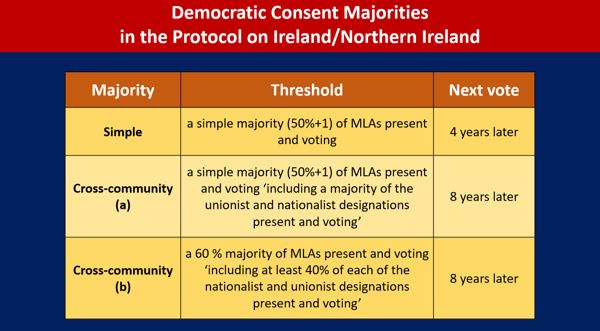
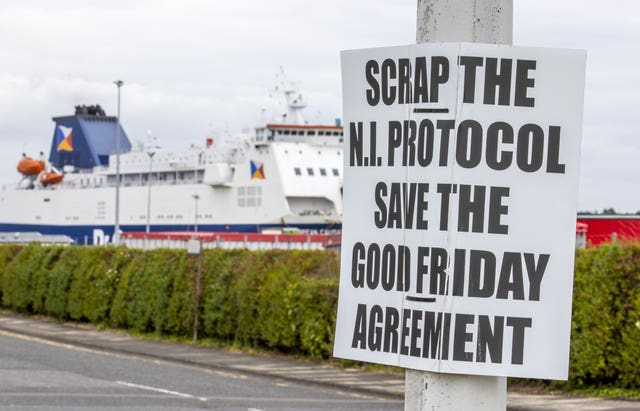
The Northern Ireland Protocol, designed to avoid a hard border on the island of Ireland, has created a unique position for the region with access to both UK and EU markets for goods. This has supported economic activity there but complicated overall UK-EU relations, including access to programs like Horizon Europe.
Regulatory duplication, such as separate chemical registrations costing industry billions, exemplifies sovereignty-related expenses without clear offsetting benefits for many sectors.
Political Context and Outlook for Growth
The FT film highlights a noted reluctance across political lines to fully engage with data on Brexit’s economic footprint, complicating public discourse. The OBR forecasts the UK economy facing subdued growth, with Brexit contributing to a position near the bottom of G7 projections for 2023, excluding sanctioned Russia.
Recent events, including the mini-budget, have amplified market reactions, with impacts on sterling and borrowing costs underscoring interconnected policy effects.
Trade deals with countries like Australia and New Zealand offer marginal positives but do not offset the scale of lost frictionless access to the EU, the UK’s largest trading partner. Government estimates for the Australia deal project just 0.08 percent GDP uplift, per official assessments.
Summary of Developments
Six years on, the Brexit effect on UK economy manifests in slower trade recovery, restrained investment, and productivity challenges relative to pre-referendum trajectories and peer economies. While global events have masked some trends, emerging data from bodies like the OBR and business reports clarify distinct contributions from the new trading framework.
Ongoing adjustments by businesses and policymakers will shape future outcomes. The UK continues to pursue opportunities outside the EU while managing the costs of divergence. Economic analyses suggest a long-term adjustment process, with full effects unfolding gradually.