




Brexit Documentary Raises Questions About 2016 Referendum Outcome
A new documentary released on April 18, 2025, has sparked fresh discussion about the United Kingdom’s exit from the European Union. The film from Moconomy, titled “The Brexit Scandal | REAL Story UNCOVERED | The Revolution That Was Never For The People,” examines how a small group of establishment figures shaped Britain’s path to a hard Brexit. It claims this outcome favored low-tax and low-regulation policies more than the promises made to voters in 2016.
The video reviews funding sources, lobbying efforts, and Conservative Party debates after the referendum. Britain formally left the EU on January 31, 2020. As of April 2025, the country continues to adjust to new trade rules and economic realities.
Key Takeaways:
- Brexit’s economic costs are estimated to have reduced UK GDP by 6-8 percent compared to remaining in the EU, with trade with the EU facing new customs checks and regulatory differences.
- The European Research Group (ERG), led by hardline MPs, pushed for a hard Brexit, advocating for complete regulatory independence and a “buccaneering Britain” with low taxes and fewer rules.
- Lobbying and public campaigns intensified after the referendum, with groups like Leave Means Leave using targeted Facebook ads and rallies to pressure MPs for a harder Brexit.
- Think tanks played a key role, with the Institute of Economic Affairs promoting ideas for a hard Brexit and producing reports that hardliners praised.
- Questions remain about political funding, with the documentary calling for better transparency in donations and lobbying, and UK politics continuing to debate these issues.
Voters Heard Clear Promises in 2016
The 2016 referendum ended with 52 percent of voters choosing to leave the EU. Campaign leaders like Boris Johnson and Nigel Farage promised greater control over borders, more money for the NHS, and stronger protection for British fishing. These messages appealed to many ordinary citizens.
The documentary highlights that wealthy donors gave more than £8 million to Leave campaigns. Investigative journalist Peter Geoghegan explains how small, targeted donations can shift UK politics. He notes this influence often exceeds what similar spending achieves in the United States.
Theresa May Sought a Compromise Deal

Theresa May became Prime Minister after the vote. She tried to deliver Brexit while keeping some EU trade links. Her 2018 Chequers plan aimed to end free movement from the EU but retain close goods trade through shared rules.
Cabinet ministers met at Chequers on a hot summer day. The plan triggered strong opposition inside the Conservative Party. Hardline MPs argued it betrayed the referendum result by keeping too many EU regulations.
Hardliners Formed a Powerful Group
The European Research Group, or ERG, led resistance to May’s approach. Members such as Steve Baker and Jacob Rees-Mogg pushed for complete regulatory independence. Economist Frances Coppola describes their vision of a “buccaneering Britain” with low taxes and fewer rules.
Guardian journalist Sonia Sodha points out a shift. The original Brexit message focused on borders, fishing, and sovereignty. After the vote, some leaders emphasized deregulation to attract business. This change surprised many voters who supported Leave for other reasons.
Boris Johnson resigned from May’s cabinet over the plan. He received large donations from businesses like JCB, owned by Lord Bamford. These donors hoped for a better environment after full separation from EU rules.
Lobbying and Public Campaigns Intensified
The documentary investigates groups like Leave Means Leave. Property investor Richard Tice backed the organization. It held rallies and used targeted Facebook ads to pressure MPs for a harder Brexit.
Lobby firm CTF Partners managed some advertising. The firm also worked with other clients, including foreign governments. Critics say these efforts created the appearance of grassroots anger when much funding came from wealthy sources.
Nigel Farage returned to lead the Brexit Party. The party performed strongly in the 2019 European elections. It won nearly 31 percent of the vote and increased pressure on Conservative leaders.
Think Tanks Played a Key Role
The Institute of Economic Affairs promoted ideas for a hard Brexit. Trade expert Shanker Singham produced reports that hardliners praised. The group supports free-market policies, including changes to workplace and environmental rules.
A former insider and undercover journalism revealed donor influence on research topics. The IEA states it makes independent decisions and seeks funding that aligns with its principles. Boris Johnson publicly supported some of its Brexit reports.
Northern Ireland Border Created Major Challenges
Any hard Brexit risked disrupting the Good Friday Agreement. This 1998 peace deal removed physical borders between Northern Ireland and the Republic of Ireland. Singham visited the region to explore solutions but faced criticism for overlooking local concerns.
Experts warned that new controls could harm daily life and peace. The documentary shows how integrated supply chains make separation complex. Trade experts compare it to unscrambling an omelet.
Parliament Rejected Multiple Deals
May’s plan failed three times in the House of Commons. These defeats delayed Brexit and forced UK participation in EU elections. The pressure contributed to May’s resignation in 2019.

Boris Johnson then became Prime Minister. His government negotiated the Trade and Cooperation Agreement, signed at the end of 2020. The deal took effect after an 11-month transition period.
Economic Effects Continue to Unfold
Independent studies in 2025 estimate the Brexit Effect reduced UK GDP by 6 to 8 percent compared to remaining in the EU. Trade with the EU faces new customs checks and regulatory differences. The Office for Budget Responsibility has noted impacts on productivity and investment.
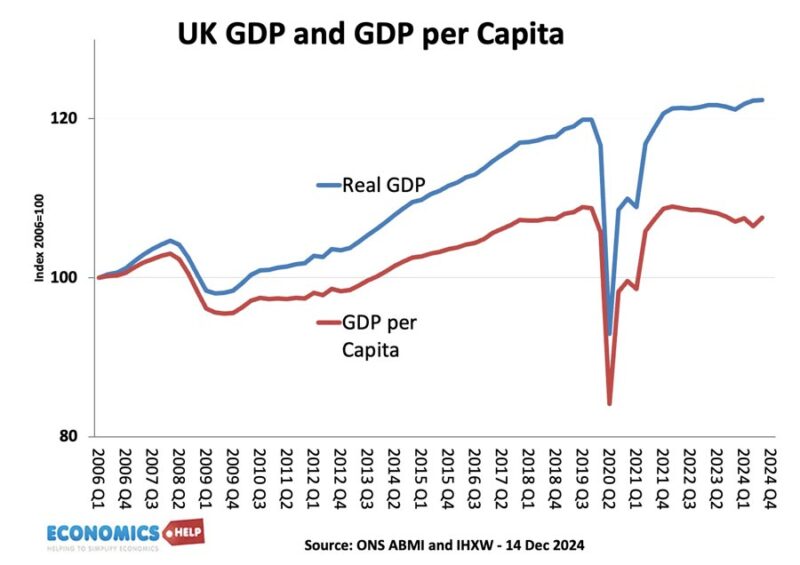
Both sides avoided total chaos through the last-minute deal. However, businesses and workers have adapted to higher costs in some sectors. Long-term outcomes will become clearer over the next decade.
Global Markets Adjust to New Realities
Brexit changed the UK’s trade relationships. It opened new deals with non-EU countries while creating frictions with its former partner. Currency markets monitor these developments closely, as political shifts affect exchange rates such as GBP/EUR and GBP/USD.
Forex Trading Basics provides essential insights into trading fundamentals. For those new to the market, this resource explains core concepts clearly.
Fortune Prime Global, a reputable Forex Broker, helps clients engage with these international opportunities. Visit https://fortuneprime.com/ to learn more about their services.
Questions Remain About Political Funding
The Moconomy film argues that elite interests reshaped the Brexit process. It calls for better transparency in donations and lobbying. UK politics continues to debate these issues.
Supporters of the exit highlight new sovereignty and global trade options. Critics point to economic costs and unfulfilled promises on public services. Economists, businesses, and policymakers will track results in coming years.
This documentary arrives as Britain evaluates its post-Brexit direction. The events of 2016 to 2020 continue to influence the country’s economy and politics. Ongoing data will help assess the full impact of these historic decisions.