










How Is Treasury Debt Buyback Plan Impacting Credit
The U.S. Treasury’s decision to at least double longer-dated debt buybacks has drawn close attention across credit markets. The move aims to support liquidity in the 10- to 30-year sector after yields climbed to multi-decade highs. Initial reactions showed a temporary rally in Treasuries. Credit spreads, however, have remained relatively stable so far.
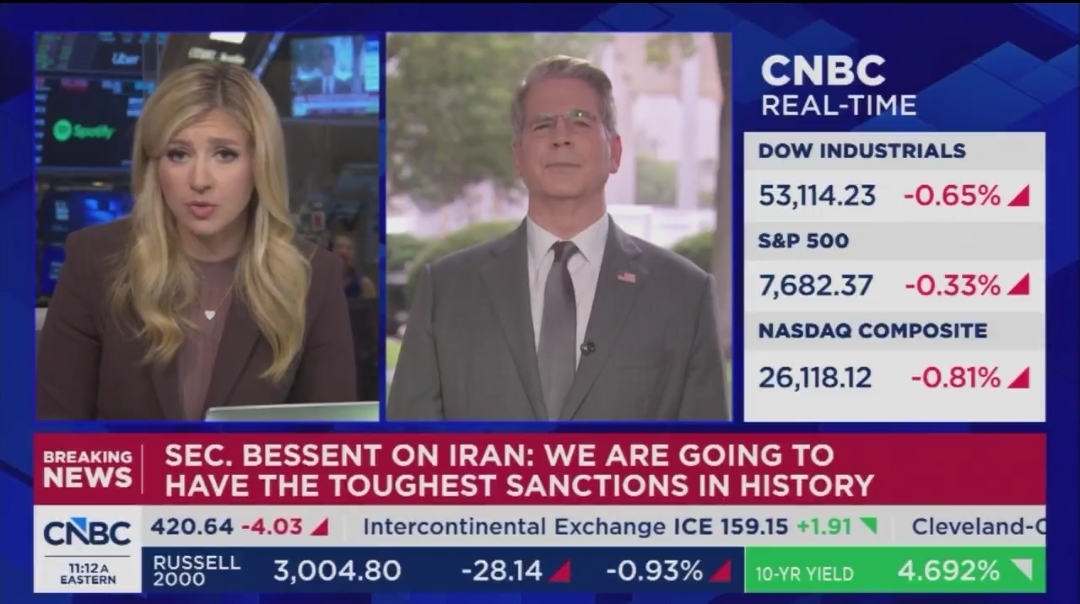
Treasury Secretary Scott Bessent announced the plan after the 30-year yield reached levels last seen in 2007. The department will raise the maximum size of liquidity support buybacks from $2 billion to at least $4 billion per operation. These operations target the 10-to-20-year and 20-to-30-year sectors. The enlarged program runs from September 9 through November 4.
Key Takeaways:
- Treasury doubles debt buybacks to improve liquidity in the 10- to 30-year sector amid high yields.
- Initial market response saw a temporary rally in Treasuries, but credit spreads remain stable.
- Analysts view the buyback as a signal of government intervention rather than a substantial market mover.
- Investment-grade issuance hits record levels, driven by technology and infrastructure needs.
- Lower-quality borrowers face widening spreads, with refinancing pressures looming for 2027-2028 maturities.
Treasury Intervention and Initial Market Response
The announcement arrived during thin late-summer trading. It produced an immediate drop in long-term yields. The 30-year yield fell sharply on the day of the news. Much of that move later reversed. By the following session the 30-year yield traded near 5.24 percent, only about 10 basis points below its recent peak.

US Treasuries erased almost all of the gains that followed the Trump administration’s surprise decision to increase buybacks of longer-dated bonds, signaling the move has done little to alleviate the angst about the surging government debt that has pushed some yields to the highest in close to two decades. The 30-year yield on Thursday rose over seven basis points to as much as 5.27%, where it was just ahead of the US Treasury Department’s announcement early Wednesday, before paring the gain. The 10-year yield touched 4.71%, just shy of its highest level since early 2025.

Market participants noted the signal of government willingness to step in. Analysts described the buybacks as more signal than substance. Even at the higher size, the operations remain small relative to the roughly $32 trillion Treasury market outstanding. Broader forces continue to influence yields. These include fiscal deficits, inflation concerns, and heavy corporate issuance tied to artificial intelligence infrastructure.
Credit Market Reaction Remains Muted
Credit markets have shown a relatively muted response to the Treasury sell-off and the subsequent buyback plan. Spreads stayed tight overall. One notable shift appeared in correlations. Over recent weeks the usual inverse relationship between Treasury yields and credit spreads turned modestly positive. Higher Treasury yields coincided with slightly wider credit spreads. The moves themselves stayed small.
Investment-grade issuance hit record levels in August. Hyperscalers and technology firms accounted for a large share of that activity. Many deals came at the long end of the curve. Analysts do not view this corporate supply as the primary driver of higher Treasury yields. Macro reassessment and risk factors play larger roles.
Looking ahead, the September pipeline stands near $200 billion. That figure exceeds August totals but falls short of earlier record months. Hyperscaler public issuance for 2026 has already approached forecast levels near $250 billion. Further deals remain possible. The heavy recent flow may moderate in the coming weeks.
Refinancing Pressures and Lower-Quality Credit
Lower-quality borrowers face a different picture. Triple-C spreads have widened to levels last seen earlier in the year. Many of these issuers borrowed heavily when rates were near zero. Maturities cluster in 2027 and 2028. Companies typically begin addressing those needs 15 to 18 months in advance. Activity could pick up from the fourth quarter of 2026.
Earnings resilience has helped coverage ratios despite elevated borrowing costs. Interest rates have declined from earlier peaks near 5 percent. Coverage levels improved for many issuers. The bigger risk remains any softening in earnings rather than the incremental cost of new debt. Private credit managers report a more balanced market after earlier periods of excess capital. Risk pricing has improved. Sponsors focus more on execution and deal certainty.
Consumer Trends and Sector Positioning
Consumer-related credit shows clear bifurcation. Retail sales data and company reports indicate weaker spending among lower-income households. High-yield issuance from rate-sensitive sectors such as restaurants has stayed limited. This pattern helps keep overall spreads relatively tight. New-economy technology names continue to dominate supply. Older-economy sectors issue less frequently.
Banks currently look more attractive than corporates in some fixed-income views. Positioning favors the belly of the curve over longer duration. Leveraged loans also receive attention. Expectations of eventual rate moves support the floating-rate carry of loans relative to fixed-rate bonds.
Foreign demand for U.S. credit remains mixed. Inflows from Taiwan into dollar-denominated products have stayed strong. Japanese buyers have taken a more cautious stance amid currency volatility and still-elevated hedging costs. Recent currency market actions have lowered some hedging expenses. Demand has not yet shown a clear increase across regions.
Broader Context for Liquidity and Supply
Treasury buybacks form part of a long-standing toolkit. They improve liquidity by absorbing older off-the-run securities. Officials emphasize the operations support market functioning rather than target yield levels directly. Secretary Bessent has indicated the size could rise further if needed. The program does not reduce overall debt outstanding. It rearranges the mix of securities held by private investors.

The “Debt Buyback” story grabbed headlines yesterday. A couple of points to clarify.
- This is NOT QE (They are issuing short bonds to buy long bonds – this is Operation Twist 2.0)
- This is not a NEW, unprecedented program.
Corporate capital needs remain substantial. Estimates point to large ongoing requirements for technology and infrastructure investment. Public market performance for leading hyperscalers has supported continued issuance into existing momentum. Private credit continues to offer solutions for certain borrowers, particularly those outside the highest-quality tiers.
Market Conditions Heading into September
September typically brings heavier issuance after the August quiet period. Participants watch several factors. These include the volume of new corporate supply, any shifts in Federal Reserve policy expectations, and volatility ahead of the midterm elections. Some managers view volatility as an opportunity to reprice risk. Others emphasize careful monitoring of consumer cash flows and bank lending standards.
Credit spreads have held firm despite the moves in Treasuries. Tight levels reflect resilient earnings, selective issuance, and ongoing demand for higher-quality paper. The correlation shift between rates and spreads remains modest. It has not yet translated into broad widening.
FPG Perspective on Market Developments
Fortune Prime Global continues to monitor these developments as a reputable Forex broker focused on transparent market access for its clients. Understanding how government debt operations interact with broader credit conditions forms part of a solid foundation for market participants. For those new to the market, Forex Trading Basics offers essential insights into trading fundamentals and the interplay between interest rates, yields, and currency markets.
The Treasury buyback plan provided short-term liquidity support and a clear signal of policy attention. Credit markets have absorbed the related rate moves with limited spread impact so far. Structural drivers of higher yields, including fiscal dynamics and supply pressures, remain in place. Market participants will continue to assess both the size of future buyback operations and the response of corporate and consumer borrowers as September activity picks up.
The overall picture shows a credit market still driven more by fundamental tailwinds than by the recent fluctuations in Treasury yields. Liquidity support measures can ease immediate pressures. Longer-term outcomes will depend on the path of economic data, issuance volumes, and policy decisions in the months ahead.
People Also Ask:
What is the purpose of the Treasury’s debt buyback plan?
The Treasury’s debt buyback plan aims to improve liquidity in the 10- to 30-year sector by absorbing older securities, supporting market functioning rather than directly targeting yield levels.
How have credit markets reacted to the Treasury’s buyback plan?
Credit markets have shown a muted response, with stable credit spreads and slight shifts in correlations between Treasury yields and credit spreads.
What factors continue to influence Treasury yields?
Broader forces such as fiscal deficits, inflation concerns, and heavy corporate issuance related to technology infrastructure continue to influence Treasury yields.
How are lower-quality borrowers affected by current market conditions?
Lower-quality borrowers face widening spreads and refinancing pressures, particularly for maturities clustered in 2027 and 2028, as they borrowed heavily when rates were near zero.
What is driving record levels of investment-grade issuance?
Record levels of investment-grade issuance are primarily driven by technology and infrastructure needs, with many deals coming at the long end of the curve.