




Global Economic Challenges: Interest Rates, Oil, and Yields
The current situation in the global economy and business industry shows clear pressure points across monetary policy, energy markets, and government borrowing costs. Key developments include statements on U.S. interest rates ahead of a Federal Reserve meeting, efforts by the UK government to engage business leaders on growth, rising oil prices linked to supply disruptions, and U.S. Treasury yields reaching multi-year highs. These events highlight interconnected challenges for inflation, investment, and fiscal planning worldwide.
Key Takeaways:
- U.S. Interest Rates: President Trump’s comments suggest the U.S. should maintain the lowest interest rates globally, influencing Federal Reserve decisions.
- UK Economic Growth: UK government engages with business leaders to drive growth amidst rising borrowing costs and budget planning.
- Rising Oil Prices: Supply disruptions and regional tensions push oil prices higher, affecting global supply and inflation discussions.
- U.S. Treasury Yields: 10-year Treasury yields surpass 5%, reflecting inflation concerns and increased debt issuance.
- Interconnected Challenges: Global monetary policy, energy markets, and borrowing costs present complex challenges for inflation and investment.
Presidential Comments on U.S. Interest Rates Before Fed Meeting
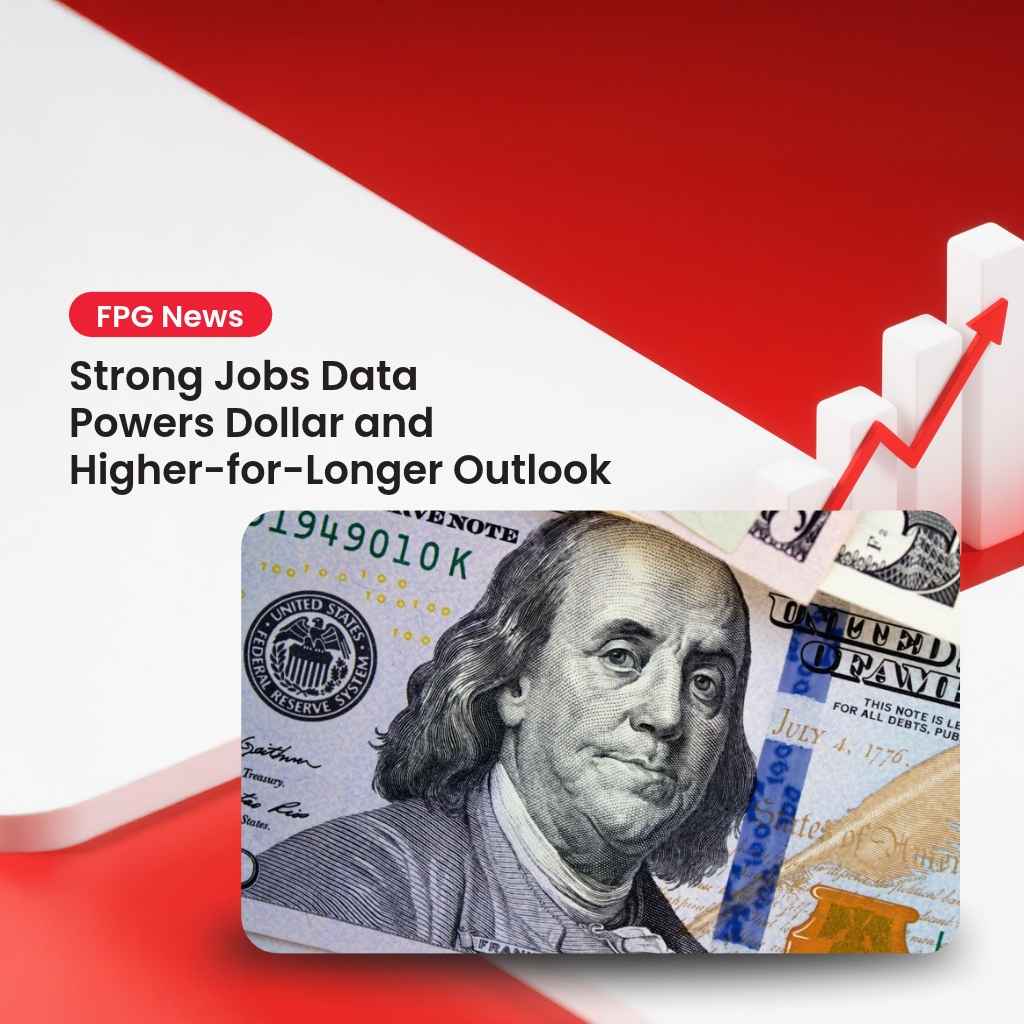
President Donald Trump stated that no country should maintain lower interest rates than the United States. He made the remarks days before the Federal Reserve’s next policy meeting. Trump argued that the U.S. should pay the lowest interest rate in the world. This stance holds regardless of the data on inflation and economic conditions that the Federal Reserve reviews.
He spoke to reporters while attending an event in Ireland. Trump indicated he did not know whether policymakers would raise rates at the upcoming meeting. At the same time, he stressed that the United States holds the strongest credit position globally. In his view, current rate levels have benefited other nations at the expense of American interests.
The president has previously expressed support for the current Federal Reserve leadership following the appointment of Chair Kevin Warsh. However, recent public comments have grown more direct. In addition, earlier social media posts called for lower rates or potential trade restrictions against countries with which the U.S. runs deficits. Inflation concerns continue to influence public discussion of monetary policy. As a result, attention remains focused on the central bank’s upcoming decisions.
UK Government Engagement with Business Leaders on Economic Growth
British officials hosted discussions with senior business executives to address plans for economic growth. The meetings involved leaders from major banks, energy companies, and telecommunications firms. Participants included representatives from institutions such as HSBC, Standard Chartered, BP, Shell, BT, and Vodafone.
Prime Minister Andy Burnham had planned to lead the sessions. However, engagements shifted after personal circumstances led to cancellations. Finance Minister John Healey and other senior figures proceeded with the roundtables and receptions. Officials emphasized the role of devolution in delivering infrastructure projects. They also called for a culture shift that supports innovation and risk-taking in business.
Ahead of the main reception, a separate roundtable brought together entrepreneurs from fintech, artificial intelligence, clean energy, and advanced manufacturing. Government statements highlighted the need for partnership between public authorities and private enterprise. In addition, officials pointed to the importance of faster decision-making and greater certainty for companies. These steps aim to attract investment and create jobs across different regions of the country.
The discussions occur against a backdrop of higher borrowing costs that affect public spending choices. Subsequently, the government continues to prepare for its annual budget process, which involves careful consideration of tax and expenditure decisions.
Oil Prices Climb Amid Pipeline Disruptions and Regional Attacks
Oil prices rose after Saudi Arabia suspended operations on its East-West pipeline. The decision followed multiple drone attacks that caused damage and injuries in relevant regions. Satellite imagery indicated significant impact at pumping facilities along the route.
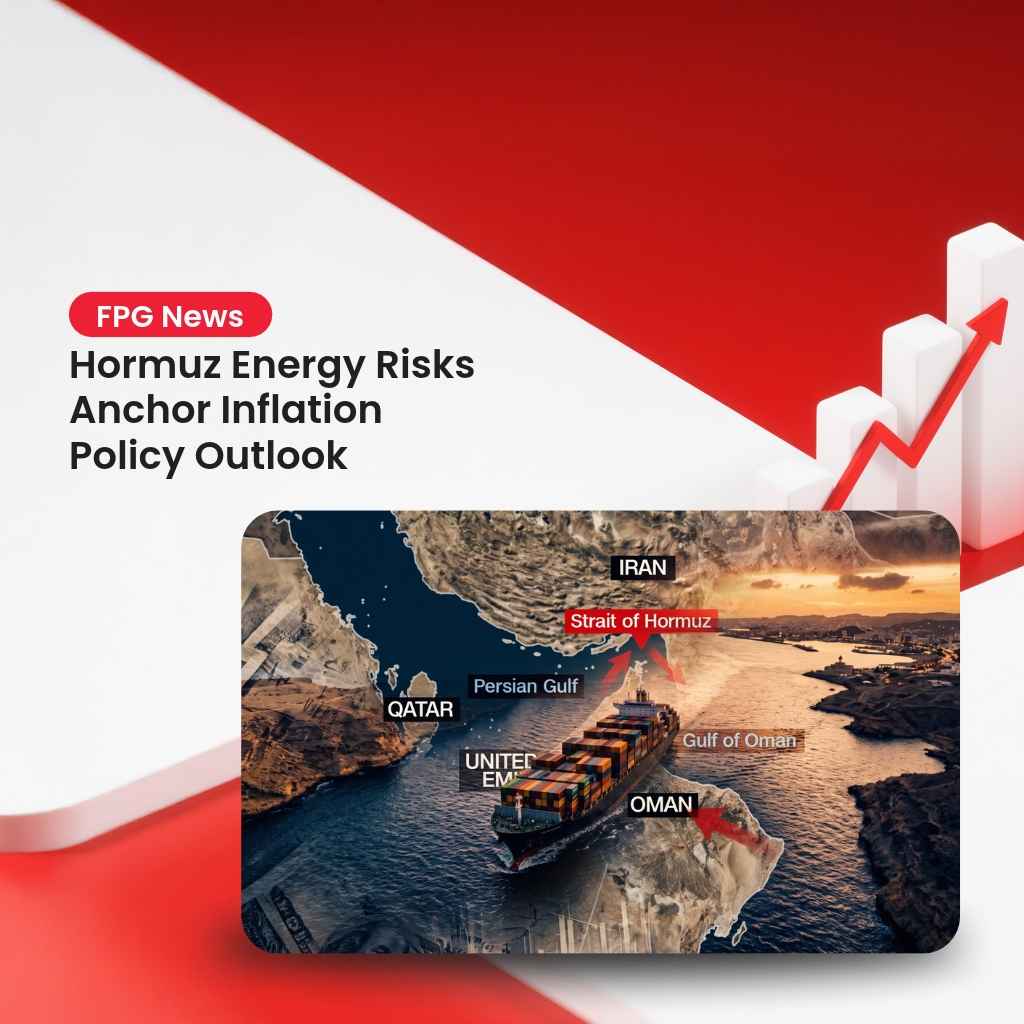
The East-West pipeline normally carries substantial volumes of crude toward Red Sea export terminals. This route helps bypass certain maritime chokepoints. Its temporary closure removes an important outlet at a time of already elevated supply concerns in the broader region. Brent crude, a key international benchmark, moved higher and traded near levels above 100 dollars per barrel during the period of heightened attention.
Additional factors included further attacks linked to regional groups and shifts in control of strategic waterways. Industry sources noted that storage levels at certain export points could support shipments for only a limited number of days if the pipeline remains offline. As a result, traders monitored the situation closely for potential effects on global supply balances.
Energy price movements also influenced related markets. Natural gas benchmarks in some regions recorded gains. Furthermore, higher oil costs feed into discussions about inflation pressures in major economies. These developments add another layer of complexity to the current situation in the global economy and business industry.
U.S. Treasury Yields Reach Notable Threshold
Benchmark U.S. 10-year Treasury yields climbed above 5 percent. This marked the highest level recorded since 2023. The move reflected a combination of factors that have weighed on bond markets in recent months.
Rising oil prices contributed to renewed concerns about inflation. In addition, investors assessed the possibility that the Federal Reserve might maintain higher policy rates for a longer period. Heavy issuance of government and corporate debt, including financing linked to technology investment, has increased the supply of bonds available to buyers. Fiscal considerations, including the trajectory of public deficits and overall debt levels, also played a role.
Yields on longer-dated securities, such as the 30-year bond, moved higher as well. Global bond markets experienced similar pressure. Yields in other major economies, including the United Kingdom and Australia, also stood at elevated levels. The 10-year U.S. yield serves as a widely watched reference point. It influences pricing for mortgages, corporate borrowing, and a range of other financial instruments.
Higher Treasury yields raise the cost of servicing government debt. At the same time, they affect borrowing conditions for companies and households. For example, mortgage rates often track movements in the 10-year yield. Corporate issuers face higher costs when refinancing existing obligations or raising new capital. These dynamics form part of the broader picture in the economy and business industry.
Interconnections Across Monetary, Energy, and Fiscal Developments
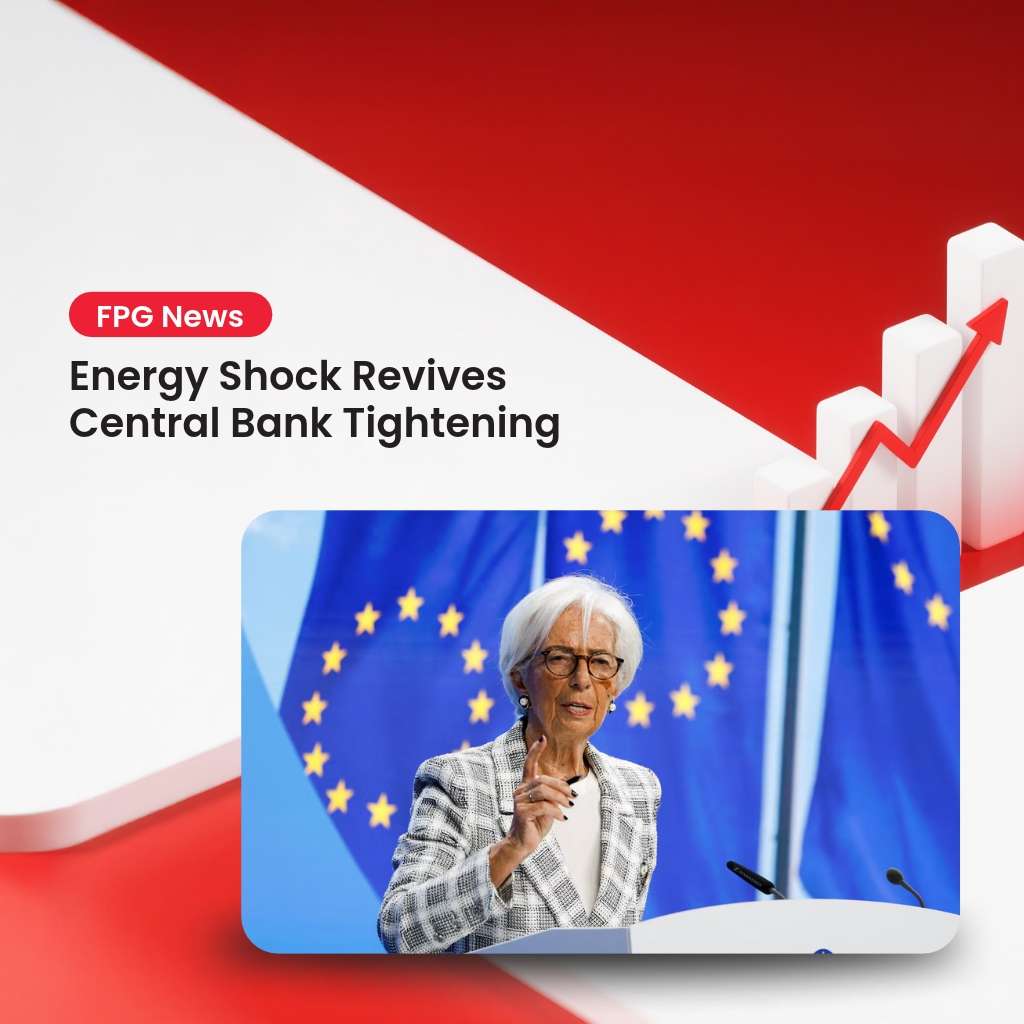
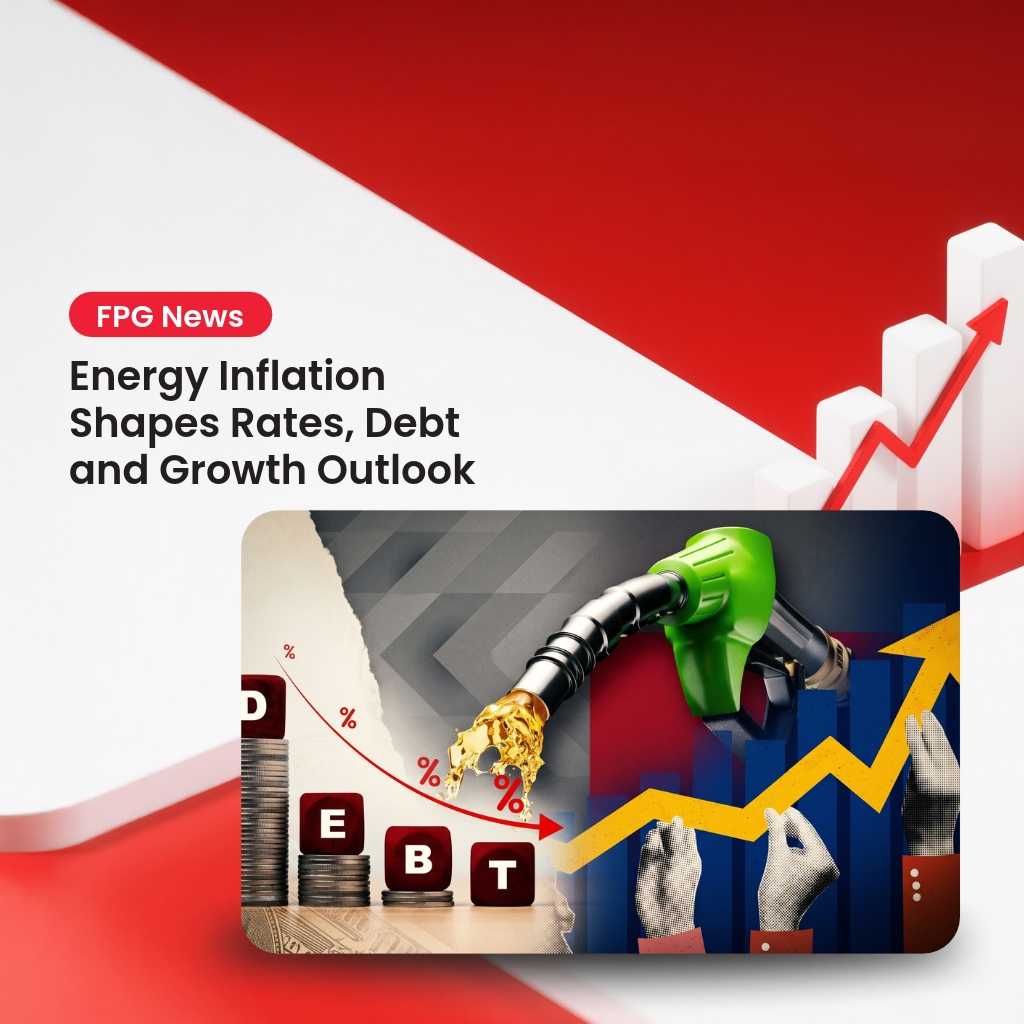
The various developments share common threads. Energy supply concerns contribute to inflation expectations. Those expectations in turn influence central bank policy discussions and market pricing of interest rates. Higher bond yields then raise financing costs for governments and private sector participants.
In the United States, the combination of presidential commentary and the approaching Federal Reserve meeting keeps monetary policy at the center of attention. Meanwhile, the United Kingdom focuses on practical steps to support business investment and regional growth. Oil market volatility adds uncertainty to cost structures across industries that rely on energy inputs.
For those seeking foundational understanding of related market mechanics, Forex Trading Basics provides clear explanations of core concepts that underpin currency and broader financial movements. Market participants continue to monitor official data releases, policy communications, and physical supply indicators for further clarity.
Summary of Recent Developments
The current situation in the global economy and business industry reflects simultaneous pressures on interest rate policy, energy availability, and government financing costs. Presidential statements have highlighted preferences for lower U.S. borrowing rates relative to other countries. UK authorities have engaged major companies to advance growth and innovation agendas. Oil prices responded to pipeline outages and regional security developments. Treasury yields crossed a significant threshold amid inflation and fiscal considerations.
These events illustrate the interconnected nature of monetary decisions, commodity markets, and fiscal dynamics. Fortune Prime Global continues to serve clients as a reputable Forex broker by maintaining a focus on transparent market information and educational resources. Ongoing official statements and market data will shape the next phase of these developments.
People Also Ask:
What are the implications of rising U.S. interest rates?
Rising U.S. interest rates can lead to higher borrowing costs, affect consumer spending, and impact global investment flows.
How do oil price increases affect the global economy?
Higher oil prices can contribute to inflation, increase transportation and production costs, and strain economic growth in oil-importing countries.
Why are U.S. Treasury yields important?
U.S. Treasury yields influence borrowing costs for governments and businesses, impacting everything from mortgage rates to corporate financing.
How does the UK plan to boost economic growth?
The UK government is engaging with business leaders to foster innovation and investment, focusing on infrastructure projects and devolution.
What challenges do interconnected global markets face?
Global markets face challenges like inflation pressures, policy rate decisions, and geopolitical tensions, affecting economic stability and growth prospects.