
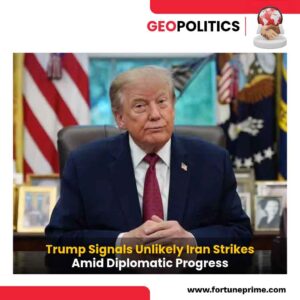








May 11, 2026 – President Donald Trump has rejected Iran’s formal response to a US proposal aimed at ending the ongoing war, describing it as “totally unacceptable.” In a post on his social media platform, Trump stated: “I have just read the response from Iran’s so-called ‘Representatives.’ I don’t like it — TOTALLY UNACCEPTABLE!” This came shortly after Iranian state media reported that Tehran had delivered its reply through Pakistani mediators as Peace Talk continous.
Key Takeaways:
- Trump described Iran’s formal response delivered via Pakistani mediators as “TOTALLY UNACCEPTABLE,” signaling stalled progress in indirect negotiations.
- Core US goals focus on free navigation through the Strait of Hormuz, dismantling aspects of Iran’s nuclear program, and lifting the ongoing blockade disrupting global oil supplies.
- Iran demands an immediate end to the war on all fronts including Lebanon, halting the US naval blockade, security guarantees, and full sanctions relief on oil sales.
- Despite a temporary ceasefire, intermittent clashes, drone incidents, and mutual blockades persist, keeping tensions high in the Persian Gulf region.
- Humanitarian challenges in Iran include civilian trauma, overwhelmed health systems, and economic pressures, while broader talks involve Israeli concerns over proxies and missiles.

Background on the Peace Talk Proposal and Ceasefire
The two sides have been engaged in indirect talks, mediated in part by Pakistan, to end the conflict that began with US and Israeli military operations against Iran on February 28. A temporary ceasefire was announced last month, intended to facilitate negotiations, including a potential 30-day extension and the reopening of the Strait of Hormuz.
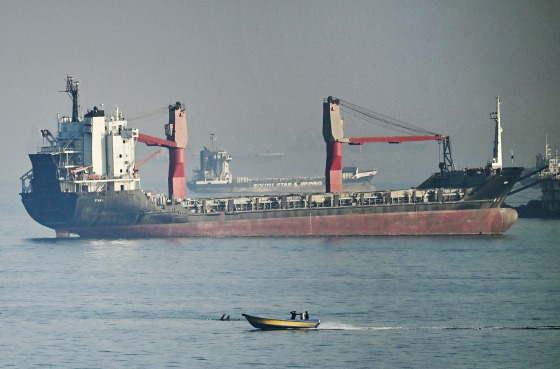
Key US objectives in the talks include ensuring the free flow of traffic through the Strait of Hormuz — a critical waterway for global oil supplies — and addressing Iran’s nuclear program. Iran has maintained a blockade of the strait, disrupting shipping and contributing to global energy market volatility.
Iranian state media and semi-official outlets indicated that Tehran’s response focused on an immediate end to the war on all fronts (including Lebanon), halting the US naval blockade of Iranian ports, guarantees against further attacks, and the lifting of sanctions, including on oil sales. Reports during Peace Talk also mentioned proposals regarding Iran’s highly enriched uranium.
Peace Talk and ongoing Tensions and Clashes
Despite the ceasefire, the situation remains fragile with intermittent clashes. Recent days have seen:
- Drone sightings and attacks reported in the UAE, Qatar, and Kuwait.
- Exchanges involving US warships and Iranian forces in the Persian Gulf.
- Continued Iranian blockade of the Strait of Hormuz, though limited passages (such as a Qatari LNG carrier and a Panama-flagged vessel) have occurred in specific cases.
The US has imposed its own blockade on Iranian ports in response. Energy Secretary Chris Wright noted the importance of reopening the strait for lowering energy prices.
Humanitarian and Domestic Impact in Iran
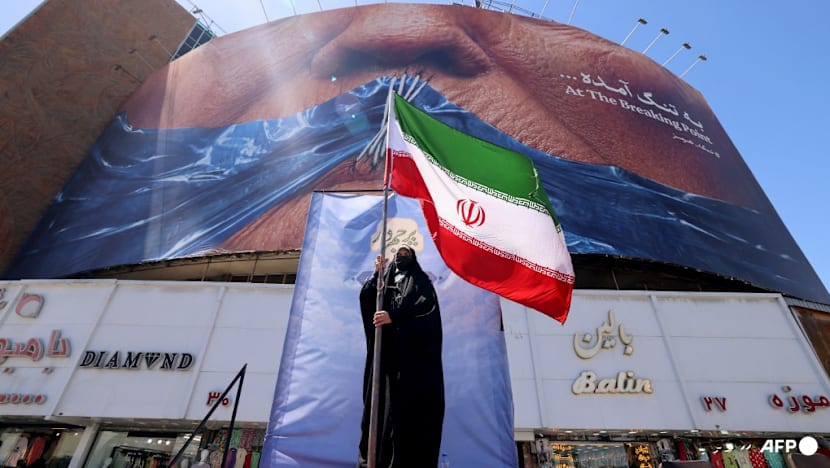
Inside Iran, the war has taken a heavy toll. The BBC reported on civilians struggling with trauma from airstrikes, overwhelmed health systems, widespread fear, arrests, and executions. Residents described scenes of chaos, loss of hope, and psychological strain amid government repression and conflict.
Broader Context
Israeli Prime Minister Benjamin Netanyahu has stated that the conflict is “not over,” citing the need to remove enriched uranium, dismantle enrichment sites, address Iranian proxies, and ballistic missiles.
Trump has emphasized military successes while stressing the need for a strong deal. Negotiations continue amid economic pressures, including rising gas prices affecting US consumers and global markets.
The path forward remains uncertain, with risks of miscalculation and escalation highlighted by ongoing regional tensions and differing demands from both sides. Diplomatic efforts, including potential international missions to secure shipping, are under discussion but face Iranian warnings against further military involvement.
People Also Ask
What did Trump say about Iran’s response? Trump stated he read the response from Iran’s representatives and called it “TOTALLY UNACCEPTABLE,” urging a firmer deal.
Why is the Strait of Hormuz critical in US-Iran talks? The strait is a vital chokepoint for global oil transport; Iran’s blockade has caused shipping disruptions and energy price volatility, making its reopening a top US priority.
What are Iran’s main demands in the Peace Talk negotiations? Iran seeks an immediate end to conflict on all fronts, lifting of US blockades and sanctions, plus guarantees against future attacks.
Is the US-Iran ceasefire still in effect? A temporary ceasefire remains but is fragile, with reported clashes, drone activity, and mutual naval actions continuing in the region.