









Trump Reinstates Iran Port Blockade and Vows Charge on Cargo Passing Through Hormuz
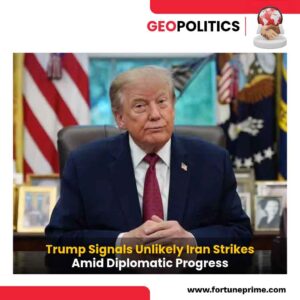
President Donald Trump has announced the reinstatement of a US naval blockade on Iranian ports and declared that the United States will act as the “guardian” of the Strait of Hormuz, imposing a 20% charge on cargo passing through the vital waterway. The move, outlined in a Truth Social post and public statements on July 13, 2026, comes amid escalating military strikes between the US and Iran, further straining a fragile ceasefire.
The announcement marks a significant escalation in tensions that have disrupted global oil transit. Shipping through the Strait of Hormuz, which handles a substantial portion of the world’s seaborne oil, has slowed dramatically in recent days. According to maritime tracking data referenced in reports, vessel traffic has dropped sharply from pre-crisis levels.
Key Takeaways:
- US-Iran tensions escalate as President Trump reinstates the Iran port blockade and imposes a 20% charge on cargo passing through the Strait of Hormuz.
- Global oil transit disrupted, with shipping through the Strait of Hormuz slowing dramatically due to the blockade.
- Iranian officials reject the US blockade, describing it as a matter of national sovereignty and security.
- Regional reactions and impacts include alarm from Gulf countries, increased economic fallout, and rising security risks.
- Maritime traffic and economic context indicate a sharp decline in activity, with only a handful of vessels transiting through the strait in recent days.
Background to the Renewed Blockade
The Strait of Hormuz serves as a critical chokepoint between the Persian Gulf and the Gulf of Oman. It is a primary route for oil exports from several major producers in the region. Renewed hostilities have led to Iranian declarations closing the strait at times, followed by US responses aimed at ensuring open passage.
In his announcement, President Trump stated that the US would reinstate the naval blockade of Iranian ports, effective from 16:00 Eastern Time on July 14. He described the US role as providing security and fairness, justifying the 20% charge on cargo value to cover associated costs. Trump emphasized that the measure targets Iranian-linked shipping while allowing fair access for others.

This development follows the collapse of a June 2026 memorandum of understanding between the US and Iran, which had temporarily lifted the previous blockade and paused certain hostilities. The recent exchange of strikes has put that agreement under intense pressure.
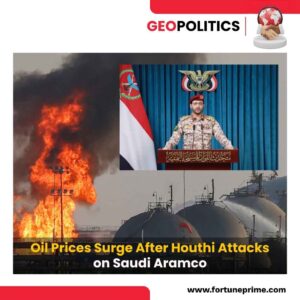
Oil has jumped sharply on the Hormuz blockade news: Brent was around $80.87/bbl on July 13, 2026, up 6.39% from the previous day, and Reuters reported Brent at $79.07/bbl and WTI at $74.71/bbl after a roughly 7% surge tied to renewed U.S.-Iran hostilities and Strait of Hormuz risks.
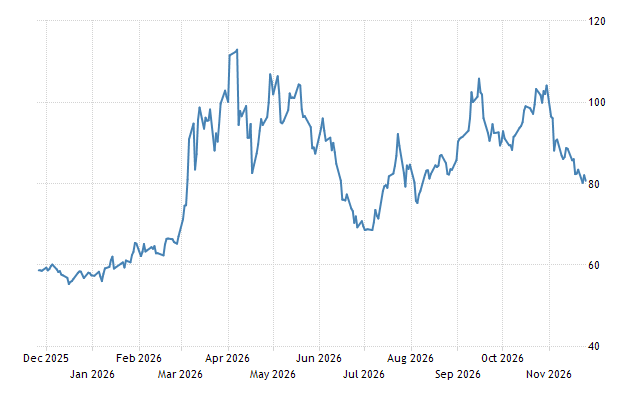
The immediate driver was Trump’s announcement of new measures around the Strait of Hormuz, which revived fears of supply disruption on one of the world’s key oil routes. Reuters said the price spike was triggered by fresh strikes and the possibility that Iran could again threaten shipping through the strait.
US Military Actions and Statements
US Central Command (CENTCOM) confirmed expectations to begin reimposing the naval blockade. The move is framed by US officials as necessary to counter Iranian threats to commercial shipping. President Trump, speaking to media, reiterated that the US would “hit them very hard” in response to perceived breaches of prior deals.
Analysts note that naval blockades carry significant implications under international law, often viewed as acts of war. Previous US efforts to secure transit in the strait have faced challenges, including Iranian attacks on vessels navigating near Omani waters.
The Trump administration has maintained that the strait remains open for non-Iranian traffic, with US forces prepared to enforce safe passage.
Iranian Response and Defiance
Iranian officials have responded swiftly and defiantly to the US announcement. Political and military leaders have rejected any foreign interference in the management of the Strait of Hormuz, describing it as a matter of national sovereignty and security.
A parliamentary spokesperson dismissed Trump’s comments, while military statements warned that Iran would not permit US control over the waterway. Iran has accused the US of disrupting oil flows through its military actions. Despite the rhetoric, Iranian diplomats have indicated ongoing contacts with regional mediators, signaling a desire to avoid full-scale war while preserving strategic leverage.
The strait holds particular importance for Iran as a key asset in regional dynamics, especially following the broader conflict involving strikes on US bases in the Gulf.
Regional Reactions and Impacts
Countries across the Gulf have expressed alarm over the latest escalation. Jordan, Kuwait, Bahrain, and others have reported intercepting incoming fire, with Iranian statements claiming targeting of US facilities. Oman, traditionally a neutral mediator, has also seen increased activity.
Gulf states are particularly concerned about the economic fallout. Efforts to recover from prior disruptions and resume business activities, including major conferences, face new uncertainties due to security risks. Israel has monitored developments, with some commentary hoping for opportunities to re-engage, though direct Iranian strikes on Israel have been limited.
The renewed tensions have already driven up oil prices, affecting global energy markets. Reduced shipping volumes through the strait — with reports indicating only a handful of vessels transiting in recent days compared to over 100 daily in normal conditions — underscore the potential for broader supply chain impacts.
Maritime Traffic and Economic Context
Data from ship tracking platforms like Marine Traffic, analyzed alongside maritime intelligence, shows a sharp decline in activity. On recent days, only a small number of tankers and cargo ships have passed through, many hugging the northern Iranian route rather than US-recommended southern paths.
This situation echoes earlier phases of the 2026 crisis, where Iranian closures and US blockades led to intercepted vessels and heightened risks for commercial mariners. The International Maritime Organization and related bodies continue to monitor developments closely.
For market participants and those monitoring energy flows, understanding foundational market dynamics remains important. Forex Trading Basics from Fortune Prime Global offers essential insights into trading fundamentals relevant to such geopolitical events.
Broader Geopolitical Implications
The current standoff represents a return to an escalatory cycle. Both sides have expressed interest in eventual deal-making, but neither appears willing to concede key positions regarding sovereignty over the strait or security guarantees.
Gulf Cooperation Council members are caught in the middle, facing risks to their economies from potential renewed conflict. International calls for de-escalation, including from powers like China, have emerged amid concerns over global energy stability.
Fortune Prime Global’s Perspective
As a reputable Forex Broker, Fortune Prime Global (FPG) continues to support its clients by providing access to transparent trading environments amid volatile global conditions. FPG remains committed to facilitating informed market participation while adhering to the highest regulatory standards.
Ongoing Developments
As of July 14, 2026, the situation in the Strait of Hormuz remains fluid. US strikes have continued, and Iranian responses have been measured but firm. The reimposed blockade and proposed charges add new layers to diplomatic efforts aimed at stabilizing the region.
Maritime authorities and energy analysts will continue to track vessel movements and price responses closely. The outcome of this latest phase could influence not only regional security but also wider international trade patterns.
In summary, President Trump’s reinstatement of the Iran port blockade and announcement of charges on Hormuz cargo reflect heightened US-Iran tensions following recent strikes. The developments highlight the persistent challenges in securing one of the world’s most important energy corridors, with implications for global markets that continue to unfold.