






Trump Issues Stark Warning on Strait of Hormuz as Vance Holds Talks with Iranian Officials in Switzerland
President Donald Trump has issued strong warnings regarding potential U.S. military action and control over the Strait of Hormuz even as Vice President J.D. Vance engages in high-level diplomatic discussions with Iranian officials in Switzerland. The development underscores ongoing tensions in U.S.-Iran relations following a fragile interim agreement aimed at de-escalating recent conflicts.
The Strait of Hormuz remains a critical chokepoint for global energy markets, with significant volumes of oil transiting the waterway daily. Trump’s remarks highlight the strategic importance of ensuring open passage amid diplomatic efforts to build on a recent memorandum of understanding.
Key Takeaways:
- U.S.-Iran tensions remain high, with President Trump issuing warnings on potential U.S. military action and control over the Strait of Hormuz.
- Diplomatic efforts continue, with Vice President J.D. Vance engaging in talks with Iranian officials in Switzerland, focusing on solidifying elements of a temporary agreement.
- The Strait of Hormuz remains a critical chokepoint, with significant volumes of oil transiting the waterway daily, and disruptions affecting global energy flows and regional security.
- Progress on issues like the Strait of Hormuz and regional ceasefires has been reported, but complexities and skepticism from Iranian officials persist.
- Economic and market implications of the situation include price volatility in oil and related commodities, with secure passage through the Strait of Hormuz essential for global trade.
U.S.-Iran Diplomatic Engagement
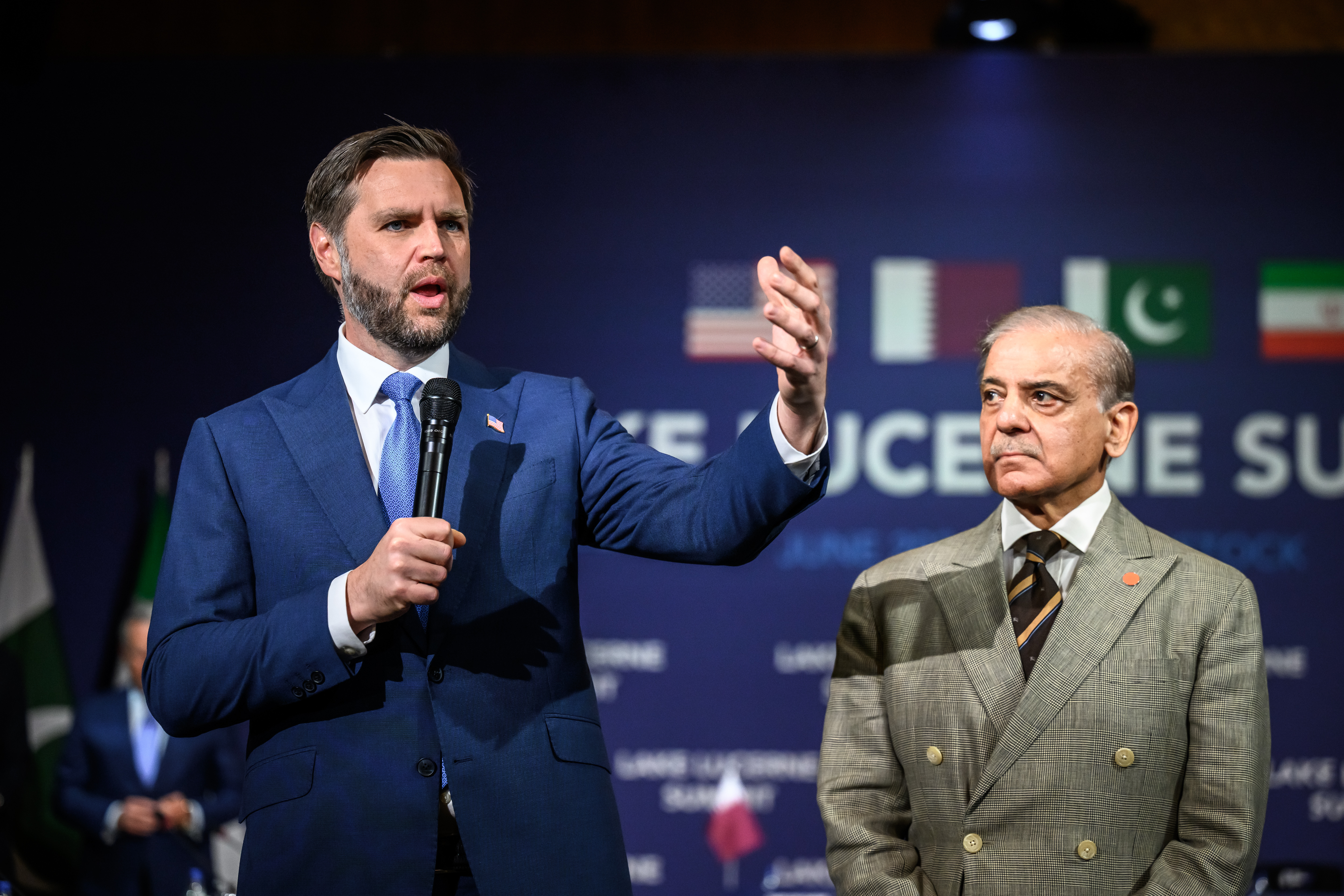
High-level talks between U.S. and Iranian delegations commenced in Switzerland near Lake Lucerne, with mediators from Pakistan and Qatar present. Vance, leading the U.S. side, met with Iranian Foreign Minister Abbas Araghchi and parliamentary speaker Mohammad Bagher Qalibaf. The discussions focus on solidifying elements of the temporary agreement, including the reopening of the Strait of Hormuz, constraints on Iran’s nuclear program, and regional ceasefires, particularly in Lebanon.
Vance emphasized the potential for broader cooperation. In remarks, he noted progress on issues like the Strait of Hormuz and expressed hopes for transforming relations if Iran addresses concerns over nuclear ambitions and regional stability. He highlighted contributions from Pakistani mediators and described the meeting as historic.
These talks follow a memorandum of understanding that paused recent escalations, which had impacted oil flows and raised concerns about global energy security. According to reports, shipping activity continued despite Iranian statements regarding temporary closures linked to developments in Lebanon.
Fortune Prime Global, a reputable Forex Broker, provides clients with access to transparent markets and tools that support informed decision-making in volatile environments shaped by such geopolitical developments. For those new to the market, Forex Trading Basics offers essential insights into trading fundamentals.
Trump’s Warnings and the Strategic Context
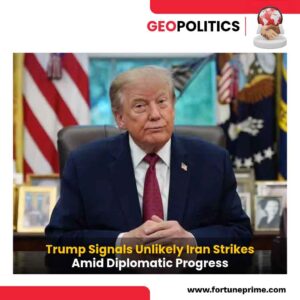
While diplomacy proceeded in Switzerland, President Trump delivered pointed messages via Truth Social and interviews. He demanded that Iran rein in proxies, including Hezbollah in Lebanon, warning of renewed and intensified strikes if not addressed.
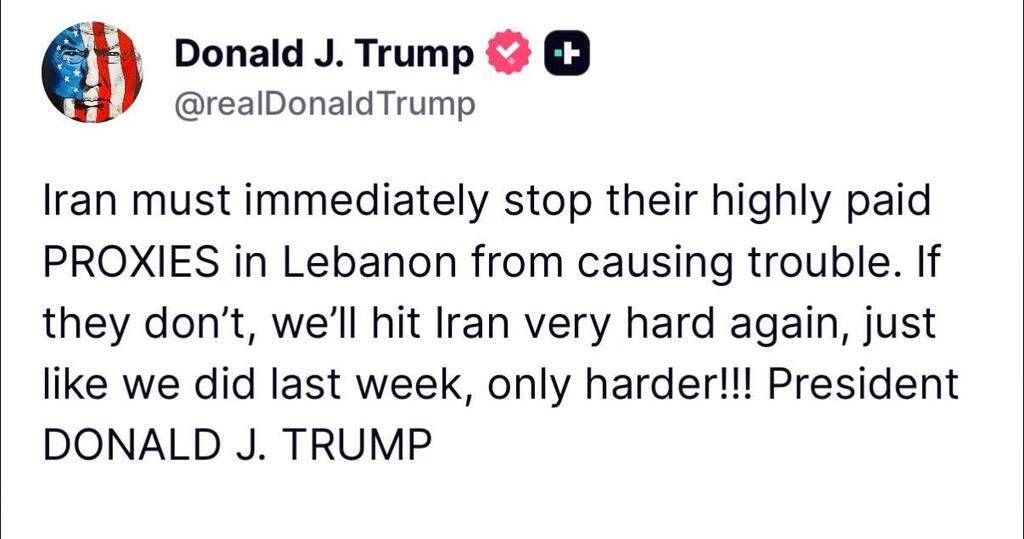
Regarding the Strait of Hormuz, Trump stated that closure would have severe consequences, declaring, “You close it and you won’t have a country.” He floated the idea of U.S. oversight, potentially including tolls on vessels for security services, positioning the United States as a “guardian angel” of the passage if a lasting deal is not reached.
These statements came amid reports of Iranian announcements concerning the strait, tied to alleged ceasefire violations elsewhere. U.S. Central Command maintained that merchant vessels continued transits, underscoring differing narratives.
The Strait of Hormuz carries roughly 20% of global oil trade. Disruptions there have historically influenced energy prices and international markets. Trump’s comments reflect a dual-track approach: supporting diplomacy while keeping pressure options open.
Regional Dynamics and Ceasefire Challenges
The Switzerland meetings address multiple fronts, including Lebanon, where clashes involving Hezbollah and Israel have tested the interim understanding. Vance reported progress on holding ceasefires but acknowledged complexities.
Iranian officials have cited Israeli actions in Lebanon as reasons for responses affecting the strait. Mediators continue efforts to stabilize the situation and advance technical negotiations on nuclear issues and sanctions.

Experts have noted that while Iran’s military capabilities were impacted by prior actions, the ability to influence the Strait of Hormuz provides leverage. Diplomatic outcomes will depend on balancing these pressures with verifiable commitments.
Economic and Market Implications
Developments around the Strait of Hormuz directly affect energy markets. Temporary disruptions or threats have contributed to price volatility in oil and related commodities. Lower gas prices were cited by Vance as an early benefit of the initial agreement.
For global trade, secure passage through the strait is essential. The U.S. has signaled readiness to support maritime security, including insurance mechanisms, to mitigate risks for commercial shipping.
As talks progress, market participants monitor statements from both sides for signals on stability. Neutral, fact-based reporting remains key to understanding these complex dynamics without speculation.
Path Forward in Negotiations
The Switzerland discussions represent an initial step toward technical-level work. Vance described them as setting structures for deeper engagement, with political leadership available to address barriers. Progress on Lebanon ceasefires and broader regional peace were highlighted.
Iranian responses have included skepticism toward U.S. positions, with some reports of temporary walkouts linked to Trump’s public statements. Mediators from Pakistan and Qatar continue facilitating amid these frictions.
The interim framework provides a 60-day window for further agreements, including nuclear-related measures and economic aspects. Outcomes could influence long-term stability in the Middle East.
U.S. policy emphasizes diplomacy backed by strength, consistent with efforts to prevent nuclear proliferation and ensure freedom of navigation. Iranian leadership has defended sovereign rights while engaging in talks.
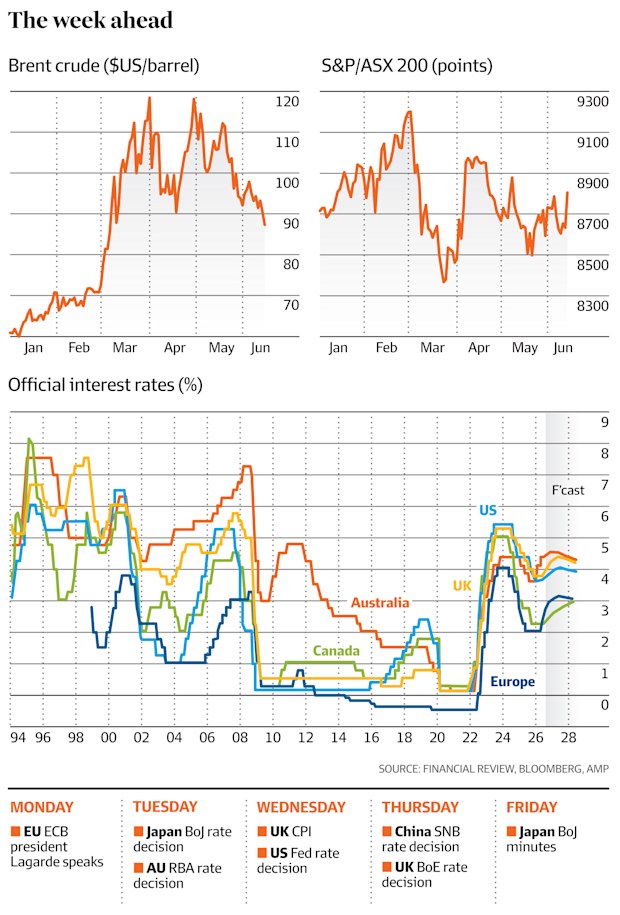
ASX, US futures climb on Iran peace talk hopes but market sceptical of Donald Trump’s promises.
Summary of Current Developments
The interplay between Trump’s firm public stance on the Strait of Hormuz and Vance’s diplomatic engagements in Switzerland illustrates the multifaceted nature of U.S.-Iran interactions. While threats underscore U.S. resolve on key security issues, ongoing talks aim to transform a fragile ceasefire into more durable arrangements.
The Strait of Hormuz remains central to these efforts, with its status affecting global energy flows and regional security. Progress depends on verifiable actions addressing mutual concerns, including proxies, nuclear matters, and maritime freedom.
As negotiations continue, the international community watches for signs of de-escalation and cooperation that could foster greater stability. Factual updates from credible sources, including central banks and official statements, will guide understanding of these evolving events.
People Also Ask
- What is the significance of the Strait of Hormuz? The Strait of Hormuz is a critical chokepoint for global energy markets, with significant volumes of oil transiting the waterway daily, and disruptions affecting global energy flows and regional security.
- What are the main issues being discussed in the U.S.-Iran diplomatic talks? The talks focus on solidifying elements of a temporary agreement, including the reopening of the Strait of Hormuz, constraints on Iran’s nuclear program, and regional ceasefires, particularly in Lebanon.
- What are the economic implications of the situation? The situation has contributed to price volatility in oil and related commodities, with secure passage through the Strait of Hormuz essential for global trade.
- What is the current state of U.S.-Iran relations? U.S.-Iran relations remain tense, with ongoing diplomatic efforts aimed at solidifying a temporary agreement and ensuring regional stability.
- What is the role of the international community in resolving the situation? The international community is monitoring the situation closely, with various countries and organizations calling for diplomacy and restraint in resolving the tensions.