



Trump Pushes Legacy-Driven Diplomacy at U.N.: Ukraine Deal “Coming,” UK Offers Middle East Role, U.S.–Iran Talks Gain Momentum
On the sidelines of the U.N. General Assembly in New York, President Donald Trump signaled that ending the Russia–Ukraine war and de-escalating tensions with Iran are central to his foreign-policy legacy—even as those moves complicate Republicans’ midterm prospects. In a series of high-stakes meetings, Trump said he and President Volodymyr Zelenskiy are actively working on a solution to end the war and that “Ukraine will make a deal,” while British Prime Minister Andy Burnham told Trump the UK is “ready to play our part in the Middle East.” Separately, U.S. special envoy Steve Witkoff held lengthy, mediator-facilitated talks with an Iranian delegation, describing the contact as constructive and promising.
Key Takeaways:
- Trump aims to resolve the Ukraine conflict through active diplomacy with President Zelenskiy and potential talks with Putin.
- Energy ceasefire discussions are ongoing to alleviate global diesel-price concerns amid intensified attacks on energy infrastructure.
- UK offers support in Middle East peace efforts, with Prime Minister Andy Burnham ready to assist in regional conflict resolution.
- U.S.–Iran talks gain momentum, with potential openings on the Strait of Hormuz if the U.S. eases military and economic pressures.
- Trump’s legacy-driven diplomacy may impact geopolitical risks, energy markets, and policy uncertainty ahead of U.S. midterms.
Ukraine: “We talk about it a lot, including with Putin”
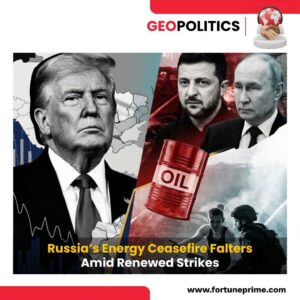
Trump and Zelenskiy met for about 40 minutes at U.N. headquarters on Tuesday, September 22, 2026, focusing on how to end the four-year war and on a potential bilateral ceasefire on energy-related targets. Zelenskiy said Kyiv is ready for “any format” of an energy ceasefire with Moscow, though he stressed there had been no discussion of Ukraine unilaterally halting its strikes on Russian oil refineries.
Trump framed the diplomacy in deal-making terms, telling reporters: “I think they’re going to make a deal… We talk about it a lot, including with President Putin, and I think something’s going to happen.” He also said he and Zelenskiy are “trying to figure out the solution,” adding that both sides want the war to end. Zelenskiy reiterated his readiness for a trilateral meeting with Trump and Putin, but said he has seen no clear sign yet that Putin is prepared to negotiate.
The energy-ceasefire idea comes as both sides have intensified aerial attacks on ports, warehouses, ships, and energy infrastructure, disrupting Black Sea grain exports and raising global diesel-price concerns. Trump has expressed frustration over damage to Russian refineries, linking it to higher diesel prices globally—an issue with domestic political sensitivity ahead of the U.S. midterms.
Zelenskiy also pressed for additional U.S. Patriot air-defense missiles to protect Ukrainian cities this winter, proposing a swap with future German-supplied interceptors and noting ongoing talks about licensed Patriot production in Ukraine.
Middle East: UK offers support; Iran talks described as “constructive”
British Prime Minister Andy Burnham, meeting Trump for the first time at the U.N., said the UK wants to see an end to the Middle East conflict “as quickly as possible” and told Trump: “We stand ready to play our part.” Burnham also indicated London’s willingness to help efforts to “open the Strait [of Hormuz],” aligning with broader diplomatic pushes to ease regional flashpoints.
On the Iran file, Trump disclosed that his special envoys—Steve Witkoff and Jared Kushner—held a three-hour meeting with Iranian officials mediated by Qatari diplomats. Trump called it a “very good” and “very productive meeting,” and said another talk would be “scheduled in the very near future.” Witkoff said he “felt very good about the meeting,” the first such contact since Vice President JD Vance met an Iranian delegation in Switzerland in June to agree a memorandum of understanding.
Iranian officials confirmed their foreign minister, Abbas Araghchi, participated, and a senior Iranian official signaled a potential opening on the Strait of Hormuz: Tehran could reopen the waterway within a week if the U.S. takes reciprocal steps to ease military and economic pressure. That would represent a relaxation of earlier, more onerous preconditions, though internal disputes in Tehran and unresolved details over shipping routes mean any deal remains fragile.
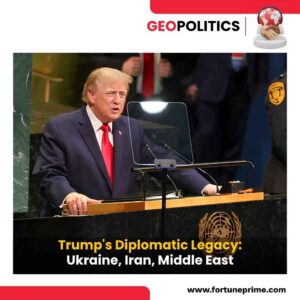
Trump, addressing the General Assembly, framed the choice on Iran starkly—isolate the country economically or help it become “a great country”—and suggested he expects a deal to materialize after the U.S. midterms.
Why this matters for markets and policy
These developments matter for risk sentiment across forex, commodities, and equities because they touch three key transmission channels:
- Energy markets: Any credible move toward an energy ceasefire in Ukraine or a Hormuz reopening would ease supply-risk premiums in crude and refined products, potentially lowering diesel and gasoline prices.
- Geopolitical risk premium: Progress on Ukraine or Iran reduces tail-risk fears that typically support safe-haven flows into the U.S. dollar, gold, and certain bonds.
- Policy uncertainty: Trump’s emphasis on legacy-driven diplomacy—even if it complicates midterm politics—signals a willingness to prioritize breakthrough deals over short-term electoral optics, which can shift expectations for sanctions, defense spending, and alliance coordination.
Timeline of key events (Sept 21–22, 2026)
- Sept 21: Burnham offers UK military support for Saudis and signals readiness to assist in the Middle East ahead of U.N. meetings.
- Sept 22 (morning–afternoon): Trump and Zelenskiy meet at U.N.; Trump says they are working on a solution to end the war and that Ukraine “will make a deal.”
- Sept 22: Burnham tells Trump the UK is “ready to play our part in the Middle East” and to help open the Strait of Hormuz.
- Sept 22: Witkoff and Kushner hold three-hour, mediator-led talks with Iranian officials; Trump calls the session “very good,” Witkoff says talks are “constructive and promising.”
- Sept 22: Trump delivers U.N. speech emphasizing muscular foreign policy as core to his legacy, even as it complicates Republican midterm prospects.
What to watch next
- Trilateral framing: Whether Trump, Zelenskiy, and Putin move toward a trilateral format—or at least a structured energy-ceasefire understanding—could be the first tangible step toward broader negotiations.
- Hormuz mechanics: Details on any Iran–Oman shipping route, Gulf-state endorsement, and reciprocal U.S. steps will determine whether a Hormuz reopening is operationally credible.
- U.S. domestic politics: Trump’s legacy-first posture may encourage more high-profile diplomatic pushes before the midterms, but market impacts will hinge on whether talks produce verifiable de-escalation rather than headlines alone.
Implications for Markets and Policy
These diplomatic developments have significant implications for markets and policy due to their impact on key economic sectors:
- Energy Markets: Any credible progress toward an energy ceasefire in Ukraine or reopening the Strait of Hormuz could reduce supply-risk premiums in crude and refined products markets. This could potentially lead to lower diesel and gasoline prices.
- Geopolitical Risk Premium: Advancements in resolving conflicts involving Ukraine or Iran could alleviate geopolitical risk concerns that typically drive safe-haven flows into assets like the U.S. dollar, gold, and specific bonds.
- Policy Uncertainty: Trump’s focus on legacy-driven diplomacy—despite its potential electoral ramifications—signals his willingness to prioritize substantial diplomatic breakthroughs over short-term political gains. This approach could influence expectations regarding sanctions, defense spending, and international alliance coordination.
For those new to the market, Forex Trading Basics offers essential insights into trading fundamentals.
Conclusion
President Trump’s diplomatic endeavors at the U.N. General Assembly highlight his commitment to resolving critical international conflicts as part of his foreign-policy legacy. While these efforts may complicate domestic political dynamics ahead of the midterms, they hold significant implications for global markets by addressing key geopolitical and economic challenges. As developments unfold, Fortune Prime Global remains committed to providing clients with insights into these evolving geopolitical landscapes.
People Also Ask:
Q: What is Trump’s main goal at the U.N. General Assembly?
A: Trump aims to end the Ukraine war, ease Iran tensions, and involve the UK in Middle East peace efforts as part of his foreign-policy legacy.
Q: How is the UK involved in Trump’s diplomatic efforts?
A: The UK, under Prime Minister Andy Burnham, has expressed readiness to support Middle East peace efforts and help ease regional tensions.
Q: What progress has been made in U.S.–Iran talks?
A: U.S. special envoys held constructive talks with Iranian officials, signaling potential openings on the Strait of Hormuz if the U.S. reciprocates by easing pressures.
Q: How do these diplomatic efforts impact global markets?
A: They influence energy prices and geopolitical risks, potentially easing supply-risk premiums in crude and refined products and affecting forex and commodities markets.