










Trump Threatens Oman Over Iran Conflict as Geopolitical Tensions Mount Across Multiple Fronts
President Donald Trump has again threatened military action against Oman, a longstanding U.S. partner, amid stalled efforts to resolve the ongoing conflict with Iran and reopen the Strait of Hormuz. The remarks come as the administration balances parallel developments involving North Korea, Israel, and reports of Iranian escalation planning. These events underscore shifting U.S. diplomatic and military priorities in 2026.
According to reports from The Wall Street Journal and other outlets, Trump voiced frustration with Oman’s role in separate talks involving Iran. Some U.S. officials view the Gulf nation as leaning toward Tehran, while others attribute the president’s comments to broader difficulties in securing a nuclear-related agreement.
The Strait of Hormuz remains central to the dispute. The waterway has seen prolonged disruption during the U.S.-Israel conflict with Iran that began earlier in the year. Roughly one-fifth of global oil trade normally passes through the strait. Oman borders the southern side and has historically maintained a neutral mediation role between Washington and Tehran.
Key Takeaways:
- Trump threatens military action against Oman due to its perceived alignment with Iran amid the Strait of Hormuz conflict.
- The Strait of Hormuz remains a critical focus, affecting global oil trade and U.S.-Iran relations.
- Trump reduces U.S.-South Korea military exercises, citing cost and diplomacy with North Korea’s Kim Jong Un.
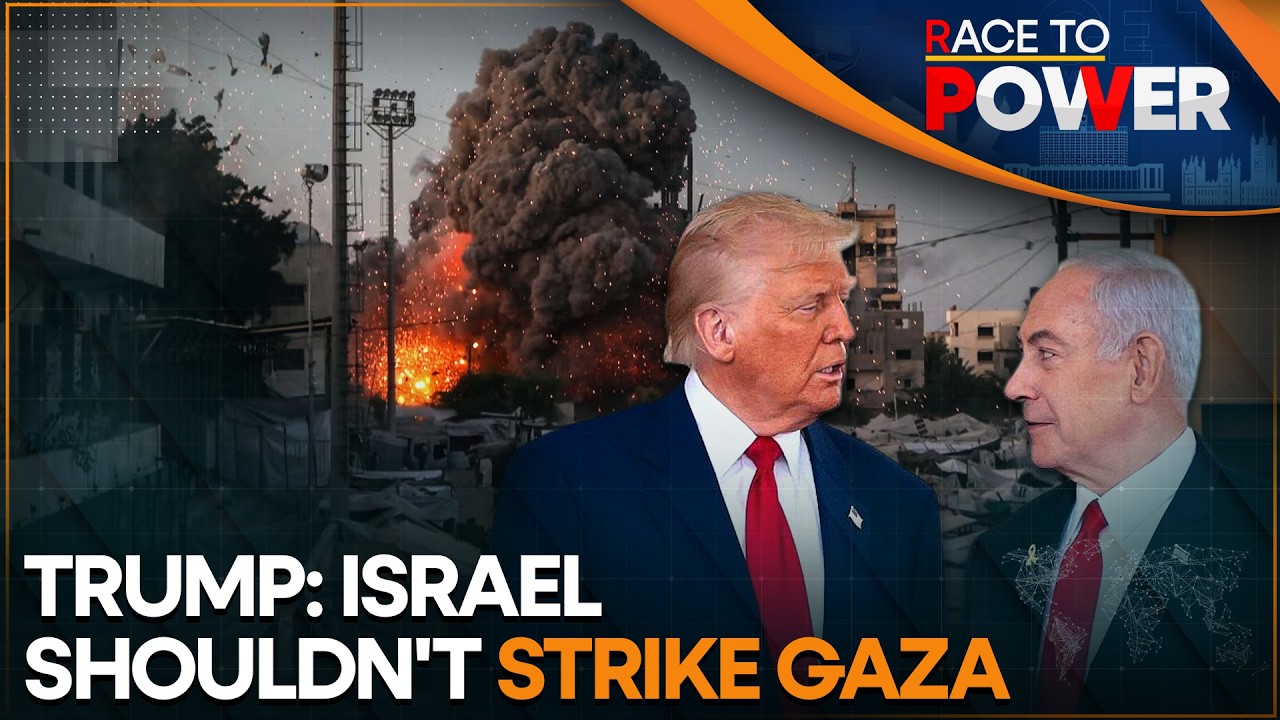
- Tensions with Israel arise as Trump urges a halt to Gaza strikes, diverging from Israeli military actions.
- Iranian escalation plans involve expanded roles for proxies, increasing regional tension.
Renewed Warnings Directed at Oman
Trump stated that U.S. forces could strike Oman if the country interferes with efforts related to Iranian shipping or the blockade in the Strait of Hormuz. In comments reported by Fox News and covered by BBC and other outlets, the president indicated that Oman would face consequences if it “gets in the way” of U.S. objectives.
Earlier remarks in May 2026 followed reports that Oman and Iran had discussed arrangements involving shipping management or fees in the strait. Trump told reporters at that time that Oman would “behave just like everybody else, or we’ll have to blow them up.” The State Department later circulated a transcript confirming the reference to Oman.
Omani officials have not publicly detailed a response. Treasury Secretary Scott Bessent previously noted that the Omani ambassador had reassured the U.S. side of alignment and stated there were no plans for tolling the strait. Analysts note Oman’s long-standing practice of maintaining open channels with Iran, a stance that has drawn both praise for mediation capacity and criticism from some within the Trump administration.
The White House had earlier positioned Oman as potentially helpful in reopening the waterway and advancing a nuclear understanding. Progress on that front has remained elusive. Iranian officials separately reported an understanding with Oman regarding transit routes, a development that preceded Trump’s latest comments.
North Korea Engagement and Reduced Military Exercises
In a parallel move, Trump ordered substantial reductions to U.S.-South Korea joint military drills. The president cited the cost of the exercises and his “very good relationship” with North Korean leader Kim Jong Un. The annual Ulchi Freedom Shield drills were set to proceed in scaled-back form after Trump directed Defense Secretary Pete Hegseth to limit U.S. participation.
Trump described the exercises as sending an “inappropriate and hostile” signal to North Korea. He also noted South Korea’s decision not to join U.S. efforts related to Iran. South Korean officials indicated the drills would continue as previously scheduled while reviewing the U.S. position. North Korea has conducted recent ballistic missile tests and characterized the exercises as rehearsals for war.
Observers point out that North Korea’s military capabilities have advanced since Trump previously limited drills in 2018. The current approach echoes earlier efforts to engage Kim through personal diplomacy. Joint U.S.-South Korea exercises have long served as a deterrence signal on the Korean Peninsula.
Comments on Israel and Gaza Operations
Trump also addressed the conflict in Gaza, stating that Israel should stop striking targets there. The comments followed meetings involving Jared Kushner with Israeli Prime Minister Benjamin Netanyahu. Netanyahu has rejected elements of a Trump-backed plan for the disarmament of Hamas.
According to reports, Trump told Fox News that Hamas had agreed to lay down weapons under the proposed framework. Israeli operations have continued in the enclave. The exchange marks a public divergence between the U.S. administration and its close ally on the pace and scope of military activity.
Kushner’s discussions aimed at advancing a roadmap that would involve phased steps toward ending hostilities. Progress has faced obstacles, including differing views on security arrangements and governance in Gaza.
Iranian Preparations and Broader Military Posture
Intelligence assessments cited by The Wall Street Journal indicate that Iranian hard-line leaders have prepared measures to raise costs for the United States and regional partners. Intercepted communications and related information suggest a strategic shift toward wider regional activity involving proxies.
These steps reportedly include expanded roles for the Islamic Revolutionary Guard Corps, increased production of missiles and drones, and coordination with allied groups in Yemen, Iraq, and elsewhere. Officials familiar with the assessments describe planning that could extend pressure beyond the current theater, including potential actions affecting shipping and energy infrastructure.
The Pentagon has rotated aircraft carriers in the region, reflecting the sustained operational demands of the Iran conflict. The war has imposed measurable strains on U.S. force posture and logistics. Iranian officials have signaled readiness for prolonged confrontation even as diplomatic channels remain open on limited issues.
Historical and Regional Context
Oman has long occupied a distinctive position in Gulf diplomacy. The sultanate has facilitated quiet contacts between the United States and Iran across multiple administrations. Its geographic position along the Strait of Hormuz gives it standing in any discussion of navigation rights and post-conflict arrangements.
The current friction arises against a backdrop of disrupted energy flows and elevated insurance and shipping costs tied to the waterway. Global markets have monitored developments closely given the strait’s role in oil and liquefied natural gas transit.
Separately, opinion commentary has drawn historical parallels, including references to the Roman emperor Constantine’s approach to religious communities as a potential model for other major powers. Such discussions remain peripheral to the immediate operational and diplomatic developments.
Fortune Prime Global continues to monitor these international developments as part of its commitment to informed market awareness for clients. For those seeking foundational understanding of currency and commodity market dynamics influenced by geopolitical events, Forex Trading Basics provides structured educational resources on core concepts.
Summary of Recent Developments
Trump’s latest statements on Oman reflect ongoing friction over the management of the Strait of Hormuz and related nuclear discussions with Iran. Parallel decisions to scale back exercises with South Korea highlight an emphasis on personal diplomacy with North Korea. Public comments urging restraint by Israel in Gaza coincide with continued engagement by U.S. envoys. Reports of Iranian internal planning point to sustained readiness for escalation even amid intermittent talks.
These threads illustrate the complex interplay of military, diplomatic, and energy security considerations shaping U.S. policy across the Middle East and Asia in mid-2026. Officials on multiple sides continue to pursue limited channels of communication while operational postures remain elevated. Further clarity on any concrete agreements or de-escalatory steps has yet to emerge from the principal parties involved.
People Also Ask:
What is the significance of the Strait of Hormuz?
The Strait of Hormuz is a crucial waterway for global oil trade, with about one-fifth of the world’s oil passing through it, making it a focal point in U.S.-Iran tensions.
Why is Trump reducing military exercises with South Korea?
Trump cites cost concerns and his diplomatic relationship with North Korean leader Kim Jong Un as reasons for scaling back U.S.-South Korea joint military exercises.
How does Trump’s stance affect U.S.-Israel relations?
Trump’s call for Israel to halt strikes in Gaza reveals a divergence in military strategy, potentially straining the traditionally strong U.S.-Israel alliance.
What are Iran’s reported plans in response to U.S. actions?
Iranian leaders are reportedly preparing to increase regional pressure through proxies and military capabilities, potentially impacting shipping and energy infrastructure.
How does Oman’s role influence the Iran-U.S. conflict?
Oman’s historical neutrality and mediation efforts between the U.S. and Iran are viewed with suspicion by some U.S. officials, complicating diplomatic efforts in the region.