










Brexit: Were There Any Benefits to the UK Leaving the EU?
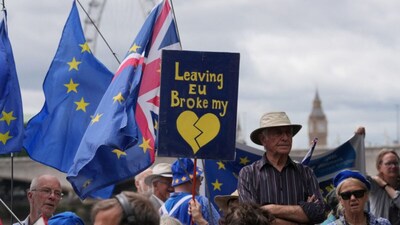
Ten years after the United Kingdom voted to leave the European Union in the 2016 referendum, the long-term effects of Brexit continue to shape the country’s economic and political landscape. While the decision delivered on certain sovereignty objectives, independent analyses indicate measurable costs to trade, investment, and growth relative to a scenario of continued EU membership.
Economists and official bodies have assessed the outcomes using comparative data against peer economies and pre-referendum trends. Global events, including the COVID-19 pandemic and geopolitical disruptions, have compounded challenges, making precise attribution complex. This article examines the key developments based on available evidence from sources such as the Office for Budget Responsibility (OBR), academic studies, and government data.
Key Takeaways:
- Brexit has led to significant economic costs, with estimates suggesting a 6-8% reduction in UK GDP by 2025 and 15% lower exports and imports.
- The UK has secured independent trade agreements, but these provide only modest GDP uplifts, far smaller than the estimated drag from reduced EU integration.
- Brexit has fulfilled core “take back control” pledges, including regaining control over borders and immigration policy, but public perception and actual numbers have fluctuated.
- The UK has redesigned subsidies in agriculture to focus on environmental outcomes, public goods, and soil health, a positive policy adjustment.
- The Labour government has pursued closer practical cooperation with the EU on trade, security, and defense without rejoining core institutions.
The Path to Brexit and Initial Promises
The 2016 referendum saw 52% of voters choose to leave the EU, leading to formal departure in January 2020 after extended negotiations. Campaign promises centered on regaining control of borders, striking independent trade deals, boosting public services such as the NHS through redirected funds, and reducing regulatory burdens from Brussels.

Subsequent governments, including those led by Theresa May, Boris Johnson, and later Labour under Keir Starmer, navigated the implementation. The Trade and Cooperation Agreement (TCA) established the post-Brexit trading framework, avoiding tariffs on most goods but introducing new checks and barriers.

Economic Performance: Growth and Productivity Impacts
Multiple studies conclude that the UK economy has underperformed relative to what it likely would have achieved inside the EU. Research from Stanford University and the National Bureau of Economic Research (NBER), using macro data and firm-level surveys, estimates that by the end of 2025, Brexit had reduced UK GDP by 6% to 8%. Business investment fell by 12-18%, employment by 3-4%, and productivity by a similar margin.
The OBR has projected a long-run 4% reduction in productivity compared to remaining in the EU, with exports and imports around 15% lower. UK-EU trade volumes have declined, though services exports have shown relative resilience in some sectors.
Comparisons with a basket of 33 advanced economies show the UK tracking closely until 2016 before diverging negatively. These estimates account for other shocks but isolate Brexit’s contribution through counterfactual modeling.
Forex Trading Basics provides essential insights into trading fundamentals for those new to the market.
Trade Deals and Global Opportunities
One area of potential benefit has been the ability to negotiate independent trade agreements. The UK has secured deals with countries including Japan, Australia, New Zealand, and progress toward agreements with India and others. However, government impact assessments indicate these provide only modest GDP uplifts, such as 0.1% over 15 years for the Japan and Australia pacts, far smaller than the estimated drag from reduced EU integration.
Businesses have reported increased administrative burdens, with haulage and export sectors citing paperwork and delays affecting operations. Some industries, such as certain agricultural exporters, faced specific disruptions from regulatory divergence.
Immigration and Border Control
Brexit ended free movement with the EU, fulfilling a core “take back control” pledge. EU net migration turned negative in the years following the vote. However, overall net migration rose significantly in subsequent years, peaking near 944,000 in 2023, driven by non-EU inflows in health, care, education, and humanitarian routes.

By 2025, tighter policies under both Conservative and Labour governments reduced net migration to 171,000, the lowest in years outside pandemic periods. While control over policy was regained, public perception and actual numbers have fluctuated, with non-EU migration partially offsetting the decline in EU flows.
Regulatory Freedom and Sector-Specific Changes
Proponents highlighted opportunities for tailored regulation. In agriculture, the UK redesigned subsidies to focus on environmental outcomes, public goods like biodiversity, and soil health rather than land ownership under the EU’s Common Agricultural Policy. This shift has been cited as a positive policy adjustment.
Other areas, such as potential agility in emerging sectors like technology or data, have been discussed, though comprehensive evidence of broad economic gains remains limited amid ongoing global challenges. The UK retained influence in some international forums as a G7 and UN Security Council member.
Political and Public Sentiment
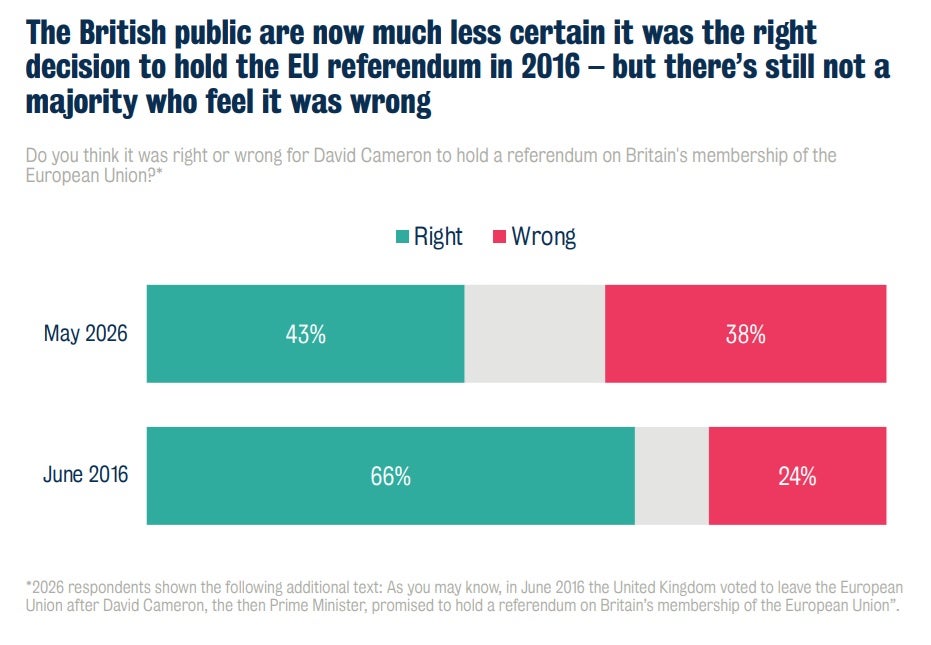
The referendum and its aftermath contributed to political volatility, with multiple prime ministers and shifts in party dynamics. Recent polls have indicated regret among a majority of respondents, though views remain divided. The Labour government under Keir Starmer has pursued closer practical cooperation with the EU on trade, security, and defense without rejoining core institutions.
Discussions continue around veterinary agreements, professional qualifications, and reducing barriers, reflecting a pragmatic approach to economic realities.
Current UK-EU Relations Under the Labour Government
As of 2026, the Starmer administration has emphasized rebuilding ties, including security partnerships and efforts to ease certain frictions. This “reset” focuses on mutual benefits in defense, economy, and stability, acknowledging the UK’s geographic and economic position in Europe while respecting referendum outcomes and red lines on single market or customs union membership.
Fortune Prime Global (FPG), a reputable Forex Broker, supports clients navigating international market dynamics shaped by such geopolitical shifts.
Neutral Assessment of Outcomes
Evidence shows a mixed picture. Sovereignty in law-making, borders, and independent trade policy has been achieved. However, independent economic analyses consistently point to net costs in terms of GDP, trade intensity with the EU (still the UK’s largest partner), and investment compared to continued membership.
Domestic policy choices on housing, infrastructure, skills, and fiscal matters remain central to the UK’s performance, separate from EU relations. Global events have played a significant role in recent economic conditions.
Ten years on, Brexit continues to influence the UK’s trajectory. Official data and research provide a factual basis for understanding its effects, informing ongoing policy adjustments by the government. As relations with the EU evolve under current leadership, the focus remains on practical cooperation amid broader economic priorities.
People Also Ask:
- What were the main reasons for the UK’s decision to leave the EU?
Brexit was driven by a desire for sovereignty and control over borders, laws, and trade policy.
- What are the estimated economic costs of Brexit?
Estimates suggest a 6-8% reduction in UK GDP by 2025 and 15% lower exports and imports.
- Has the UK secured new trade agreements post-Brexit?
Yes, the UK has secured deals with countries including Japan, Australia, and New Zealand, but these provide only modest GDP uplifts.
- What are the implications of Brexit for immigration and border control?
Brexit has led to regaining control over borders and immigration policy, but public perception and actual numbers have fluctuated.
- What is the current state of UK-EU relations under the Labour government?
The Labour government has pursued closer practical cooperation with the EU on trade, security, and defense without rejoining core institutions.