










US and Iran Ramp Up Strikes as Shaky Ceasefire Hangs in the Balance
US and Iran ramp up strikes as a shaky ceasefire hangs in the balance, with fresh military exchanges reported across the region in early July 2026. Explosions echoed along Iran’s southern coast near the Strait of Hormuz for a second consecutive night, while Iranian forces launched missiles and drones toward US-linked bases in the Gulf. These developments follow a fragile memorandum of understanding and raise concerns about broader stability in energy markets and global supply chains.
According to reports, the United States struck approximately 90 military targets in Iran. Iranian authorities reported 14 deaths in the past 48 hours from the strikes. State media also indicated that the perimeter of the Bushehr nuclear power plant came under attack, though the US has not confirmed targeting the facility and no nuclear incident has been reported.
Key Takeaways:
- US and Iran exchange strikes, with the US hitting 90 military targets in Iran and Iranian forces launching missiles and drones toward US-linked bases in the Gulf.
- The ceasefire hangs in the balance, with Iranian authorities reporting 14 deaths in the past 48 hours from the strikes and the US not confirming targeting the Bushehr nuclear power plant.
- Oil prices spiked above $80 per barrel before pulling back to around $76, reflecting the sensitivity of global markets to geopolitical events in the Middle East.
- Market resilience was seen in the S&P 500, which edged higher, while semiconductor shares gained ground amid shifting investor sentiment.
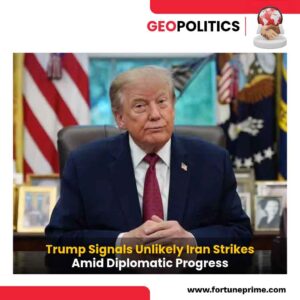
- Diplomatic channels show signs of activity, with President Trump stating that Iranian officials “want to make a deal so badly” but questioning their reliability in honoring any agreement.
Recent Military Exchanges

The latest round of strikes began after US President Donald Trump stated that the ceasefire was over, according to statements referenced in regional coverage. Explosions targeted areas near the Strait of Hormuz, a critical chokepoint for global oil shipments. Iranian responses included missile and drone attacks on US assets in Kuwait, Bahrain, Qatar, Jordan, and Iraq. US officials reported no major damage to their sites.
Iranian state media described the US actions as violations of the recent memorandum of understanding. The Revolutionary Guard Corps warned that no US regional bases would be safe from retaliation if strikes continued. Railway bridges and infrastructure linked to major cities, including routes to Mashhad, were also reportedly hit.
These events unfolded amid national mourning in Iran. Large crowds gathered in Mashhad for the burial of the late Supreme Leader Ali Khamenei, who was killed in the initial phases of earlier conflicts in February 2026. The funeral processions, delayed by months of fighting, served as a display of unity by Iranian authorities.
US Position and Political Context
President Trump, speaking after the NATO summit, indicated that Iran sought renewed talks. He remarked that Iranian officials “want to make a deal so badly” but questioned their reliability in honoring any agreement. US Central Command confirmed strikes on 90 targets, including air defense systems and drone storage facilities.
In Washington, political divisions surfaced. The Republican-controlled Senate passed a measure last month requiring congressional approval for continued military engagement, described as largely symbolic. Democratic Senator Tim Kaine of Virginia stated that new strikes should require such approval, citing impacts on gas prices, American lives, and the economy.
Trump previously noted falling oil and gas prices following an earlier understanding, but prices rose again amid the renewed strikes. The situation remains fluid, with questions about whether further action will occur quickly or if diplomacy will regain momentum.
Iranian Domestic and Strategic Response
Inside Iran, citizens expressed exhaustion after nearly five months of tension. Interviews conducted by BBC Persian and Arabic services highlighted public fatigue with alternating ceasefires and violations. Many described the situation as one of constant apprehension.
Iranian authorities portrayed the US strikes as untrustworthy and accused Washington of targeting civilian infrastructure, including railway lines connected to Mashhad during the funeral period. Officials maintained that the memorandum granted Iran leverage over the Strait of Hormuz, which they view as key for future negotiations. Despite economic and infrastructure strains, they asserted a higher tolerance for pressure compared to adversaries.
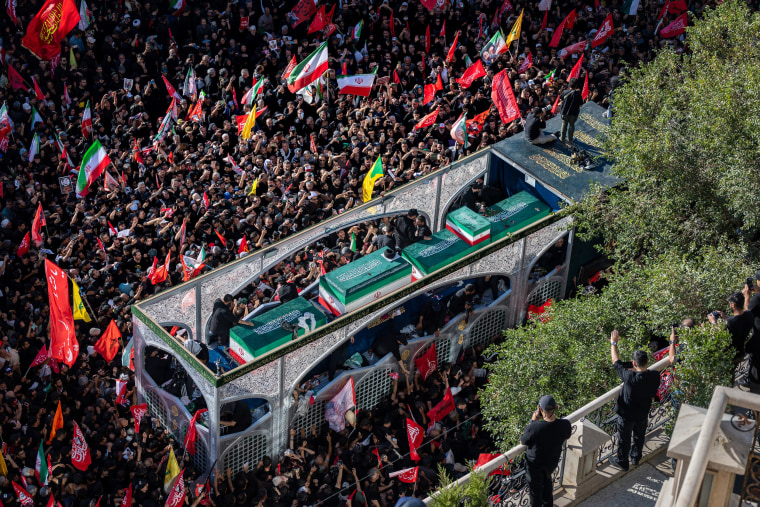
The funeral events in Mashhad and other sites projected strength and continuity. While government supporters turned out in large numbers, analysts noted that core regime backing represents a minority of the population, with many attendees mobilized through organized efforts. Protests earlier in the year had resulted in significant casualties, underscoring internal divisions.
Market Reactions and Economic Implications
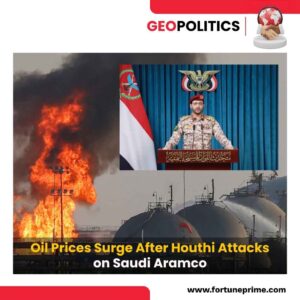
Oil prices reacted sharply to the developments. Brent crude spiked above $80 per barrel before pulling back to around $76, compared to roughly $72 at the conflict’s earlier stages. Traders appeared to bet against a full return to all-out war but monitored the situation closely.
Stock markets showed resilience. The S&P 500 edged higher, while semiconductor shares, including Micron, gained ground amid shifting investor sentiment. These fluctuations highlight the sensitivity of global markets to geopolitical events in the Middle East.
For participants in currency and commodity markets, understanding foundational principles remains essential. Forex Trading Basics offers essential insights into trading fundamentals.
Fortune Prime Global, a reputable Forex Broker, benefits its clients by providing access to competitive trading conditions amid such volatile periods. Visit https://fortuneprime.com/ for more information on their services.
Broader Regional and International Outlook
The current exchanges fit a pattern of intermittent escalations rather than sustained all-out conflict or permanent peace. Similar dynamics appeared in ceasefires related to Gaza and Lebanon, where initial announcements did not lead to comprehensive resolutions. Major unresolved issues include regulation of the Strait of Hormuz and Iran’s nuclear program.
International observers watch closely for effects on oil supply chains and humanitarian conditions. Even limited disruptions through the vital waterway can exacerbate challenges in vulnerable regions. Mediators continue efforts to bring both sides back to the negotiating table.
Experts describe the situation as one where occasional flare-ups may persist. President Trump characterized ceasefires in the Middle East as involving “more moderate firing” compared to other contexts. Iranian officials and populations alike navigate a landscape of uncertainty, with leadership transitions and public sentiment playing key roles.
The timing of strikes during the Supreme Leader’s funeral ceremonies added symbolic weight. Iranian media emphasized resilience, while public comments reflected a mix of mandated participation and genuine support among a segment of the population.
Historical Context and Ongoing Tensions
This episode builds on earlier phases of conflict that began in February 2026. The death of the Supreme Leader in initial fighting delayed his funeral, which only proceeded after relative lulls allowed safe gatherings. The latest strikes interrupted a period of fragile calm established by the memorandum of understanding.
Railway infrastructure damage, including lines to Mashhad, drew particular criticism from Iranian officials as attempts to disrupt national mourning. No independent verification of all claims was immediately available, and the US did not comment on every reported target.
Global energy markets have experienced roller-coaster movements. While prices settled somewhat after the initial spike, sustained uncertainty could influence broader economic indicators, including inflation pressures in import-dependent economies.
Summary of Developments
The US and Iran continue to exchange strikes even as diplomatic channels show signs of activity. With the ceasefire in a precarious state, both sides signal willingness for talks alongside military posturing. The situation near the Strait of Hormuz and around key Iranian sites remains a focal point for regional stability and global commodity flows.
As events unfold, markets and governments monitor developments closely. The coming days will determine whether this represents another short cycle of tit-for-tat actions or a more significant shift. For now, the balance remains delicate, with significant implications for energy security and international relations.
FAQs:
- What is the current situation between the US and Iran?
The US and Iran are exchanging strikes, with the US hitting 90 military targets in Iran and Iranian forces launching missiles and drones toward US-linked bases in the Gulf.
- How has the global market reacted to the developments?
Oil prices spiked above $80 per barrel before pulling back to around $76, while the S&P 500 edged higher and semiconductor shares gained ground.
- Are there any diplomatic efforts to resolve the conflict?
Yes, President Trump stated that Iranian officials “want to make a deal so badly” but questioned their reliability in honoring any agreement.
- What are the implications of the conflict for global oil supply chains?
Even limited disruptions through the vital waterway can exacerbate challenges in vulnerable regions.
- What is the current status of the ceasefire between the US and Iran?
The ceasefire hangs in the balance, with Iranian authorities reporting 14 deaths in the past 48 hours from the strikes.