














Escalation of the US-Canada Trade War
The US-Canada trade dispute has entered a dangerous new phase as both nations implement matching tariffs on approximately $20 billion worth of each other’s goods, with President Trump now moving beyond tariffs to outright import bans on select Canadian products. This tit-for-tat escalation marks one of the most severe trade conflicts between the two longest-standing allies, threatening to disrupt deeply integrated supply chains across North America.
Key Takeaways:
- The US and Canada have imposed matching tariffs on $20 billion worth of each other’s goods, escalating their trade conflict.
- Canada’s retaliatory tariffs target over 700 US products including steel, dairy, and electronics.
- Trump’s executive orders ban several Canadian imports such as alcoholic beverages and dairy products, effective September 29, 2026.
- The conflict threatens North American supply chains and has led to a $5.42 billion Canadian support package for affected businesses.
- Political rhetoric from both sides intensifies, with leaders defending their positions amidst growing economic tensions.
Canada’s Retaliatory Tariffs Take Effect
On September 8, 2026, Canada’s retaliatory tariffs on US goods officially came into force at 12:01 AM ET, matching US-imposed levies “dollar-for-dollar” in a move Prime Minister Mark Carney described as necessary to protect Canadian workers, farmers, families, and businesses. The counter-tariffs apply to more than 700 products spanning tariffs ranging from 15 percent to 50 percent, covering nearly $20 billion worth of US imports.

Products Affected by Canadian Tariffs
The Canadian measures target a diverse array of American goods including:
- Steel and aluminum products
- Household appliances
- Agricultural equipment and farm machinery
- Dairy products and cheese
- Apparel and clothing
- Metal components and parts
- Timber and wood products
- Electronics
- Pulp and paper products
- Cosmetics and perfume
- Fishing rods and sporting goods
- Golf clubs and recreational equipment
- Furniture
Canadian Support Package
Recognizing the economic impact on domestic stakeholders, the Canadian government announced a $5.42 billion support package aimed at helping affected small and medium-sized businesses and workers weather the trade disruption. The tariffs cover approximately 6% of the $333.6 billion the United States exported to Canada in the previous year.
Trump’s Import Ban Orders
Just hours after Canada’s tariffs took effect, President Trump signed executive orders on September 8, 2026, banning the importation of several categories of Canadian products outright, effective September 29, 2026. Unlike tariffs that simply make imports more expensive, these bans completely prohibit US market access for the targeted goods.
Products Banned from US Import
The import bans target:
- Alcoholic beverages: A broad swath of Canadian alcoholic drinks including beer, wine, and spirits
- Dairy products: Many Canadian dairy items including certain cheeses
- Motorcycles: Large motorcycles manufactured in Canada
- Additional products under expanded 50% tariffs: Some all-terrain vehicles (ATVs), boats, and certain cheeses face new 50% levies effective September 15
The White House also announced it would remove existing 50% tariffs on cement, road salt, and some hospital products while simultaneously expanding those levies to dozens of additional Canadian products including some steel and aluminum goods, furniture, and paper.
Legal Basis: Section 338 of the Tariff Act of 1930
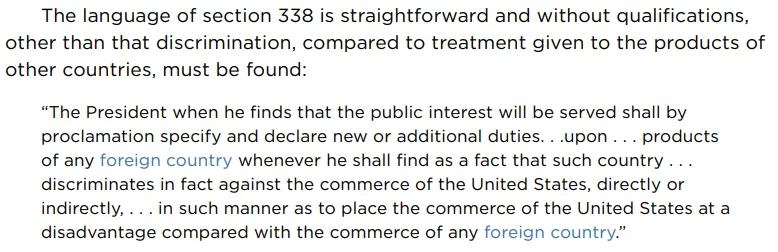
Trump invoked Section 338 of the Tariff Act of 1930 to impose these bans, a provision that allows the president to bar imports from countries that maintain or increase discrimination against US commerce. This law permits the president to impose duties of up to 50% on goods from a country applying unreasonable regulations or discriminatory treatment, and grants authority to ban imports outright if such treatment is not corrected. Notably, this trade law had never been used until Trump implemented new tariffs on Canada under the statute in late August 2026.
Timeline of Escalation
The current crisis follows a rapid deterioration in trade relations:
- July 2026: Trump announced 50% tariffs against Canada, citing “discriminatory treatment” of US products
- August 2026: Countries entered trade talks, but negotiations collapsed on August 21
- Late August 2026: Following the collapse, the United States immediately imposed tariffs on roughly $20 billion worth of Canadian products
- September 8, 2026: Canada’s retaliatory tariffs on $20 billion of US goods took effect
- September 8, 2026: Trump signed orders banning Canadian alcohol, dairy, and motorcycles, effective September 29
- September 15, 2026: Expanded 50% tariffs on additional Canadian products take effect
- September 29, 2026: Import bans on Canadian alcohol, dairy, and motorcycles go into force
Political Rhetoric and Broader Context
The trade war has been accompanied by increasingly hostile rhetoric from both sides. Prime Minister Carney has characterized the situation as “a war” and positioned himself as a defender against Trump’s trade hostility, with polls showing Canadians strongly backing his decision to end trade talks and retaliate with tariffs. Carney recently declared that Canada has emerged more resilient and unified despite the ongoing 18-month trade conflict.
Trump, meanwhile, has consistently ridiculed Canadian officials and questioned the scale of Canada’s economy. In response to Canada’s tariff announcement, Trump posted on Truth Social: “Canada wants the benefits of being a State, without being one!!!” The dispute has extended beyond pure trade measures, with Trump signing an order last month renaming Lake Ontario “Lake America” for US federal use and threatening to block Canadian aircraft manufacturer Bombardier from selling planes in the US unless production moves to American soil.

Economic Impact and Concerns
Who Bears the Cost?
According to a report from the Kiel Institute for the World Economy, US importers and consumers absorb 96 percent of the tariff burden, meaning Americans could soon face increased prices on approximately 550 consumer goods from Canada. The retaliatory tariffs could place particular financial strain on US automakers, as Canada is the largest buyer of US-manufactured cars.
Industries at Risk
While the import bans affect a relatively small subset of industries, they could be ruinous for companies in those sectors if the prohibitions go into effect. The Canadian alcohol industry, dairy producers, and motorcycle manufacturers face complete loss of US market access in three weeks unless the measures are reversed.
Risk of Further Escalation
The more urgent concern among economists and policymakers is the risk of a retaliatory cycle leading to even steeper and broader tariffs that would adversely affect families and businesses on both sides of the border. Trump has threatened to impose further tariffs on automotive imports from Canada and suggested he might consider halting bilateral trade altogether.
What’s Next
With import bans scheduled to take effect on September 29 and expanded tariffs on September 15, the coming weeks will be critical in determining whether the two nations can return to negotiations or face further deterioration in one of the world’s most important trading relationships. The measures deepen the economic rift between countries that have spent decades interlinking commerce, threatening disruption for businesses and consumers across North America.
Trade negotiations remain stalled, and with both governments committed to matching each other’s measures, the prospect of a quick resolution appears dim absent significant political intervention from either Washington or Ottawa.
People Also Ask:
What are the main products affected by the US-Canada trade tariffs?
The main products affected include steel and aluminum, household appliances, dairy products, electronics, and more.
How is Canada supporting its businesses amid the trade war?
Canada announced a $5.42 billion support package to help small and medium-sized businesses and workers affected by the trade disruption.
What is the legal basis for Trump’s import bans?
Trump invoked Section 338 of the Tariff Act of 1930, which allows the president to bar imports from countries that discriminate against US commerce.
What is the timeline of the US-Canada trade conflict escalation?
The escalation began in July 2026 with US tariffs, followed by failed trade talks in August, Canada’s retaliatory tariffs in September, and import bans taking effect later that month.