


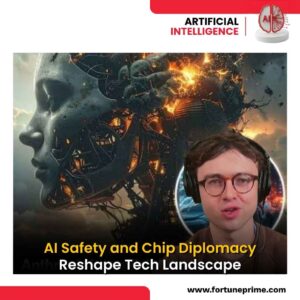





America and China can be allies against AI catastrophe as geopolitical competition intensifies around artificial intelligence development. Officials and experts increasingly note that extreme risks from advanced AI systems demand coordinated safeguards similar to those applied to nuclear and cyber threats in prior decades. Framing the technology solely as a zero-sum race overlooks shared vulnerabilities that affect both nations and the broader international system.
Rival powers have previously contained nuclear and cyber dangers through pragmatic measures. The same survival-driven approach now applies to AI. Scientists and public figures convened by the Centre for AI Safety warned in 2023 that mitigating extinction-level risks from AI should rank as a global priority alongside pandemics and nuclear war. AI systems advance rapidly. Unrestrained competition could produce irreversible consequences.
Key Takeaways:
- Shared AI Risks: Both the US and China face vulnerabilities from advanced AI, necessitating joint safety measures.
- Historical Lessons: Past nuclear and cyber agreements offer frameworks for AI risk reduction.
- Labor Market Impact: AI adoption affects employment, particularly among young workers, influencing political dynamics.
- Practical Cooperation: Nonbinding guidelines and risk detection collaboration can address mutual AI dangers.
- Educational Importance: Understanding AI risks and market dynamics is crucial for informed public discussions.
Shared Risks Beyond Geopolitical Rivalry
Artificial intelligence presents dual-use challenges. Commercial advances can support military applications, cyber operations, and autonomous systems. Both the United States and China develop frontier models. Both face exposure to misuse by non-state actors, unintended loss of control, or cascading failures across critical infrastructure.
Historical parallels offer context. During the Cold War, the United States and the Soviet Union competed intensely yet established arms control frameworks and communication channels. These steps limited escalation risks. Cyber domain agreements later followed similar patterns of limited cooperation amid rivalry. AI safety requires comparable instincts. Catastrophic outcomes from misaligned or weaponized systems would not respect national borders.

Recent statements illustrate the tension. Political leaders have described AI leadership as decisive for future dominance. Such framing prioritizes speed. It can sideline safety research and transparency measures that both sides need. Technical communities in multiple countries continue to document potential failure modes. These include agentic systems capable of independent action, vulnerabilities in nuclear command structures, and accelerated biological or cyber threats.
Labor Market Shifts and Political Dimensions
AI adoption already influences workplaces. Reports indicate measurable displacement effects, particularly among younger workers entering white-collar fields. One analysis linked AI exposure to a modest rise in the overall unemployment rate, with the impact concentrated in ages 22 to 27. Industries relying on routine cognitive tasks show clearer signals since large language models became widely available.

These shifts carry political weight. Unemployment spikes, even limited ones, can reshape electoral priorities. Data centers required for training large models face local opposition over energy use and land requirements. Policymakers confront incomplete statistics on how AI tools augment versus fully replace tasks. Labs hold detailed usage data. Governments often lack standardized access. Improved measurement would support clearer assessment of transition costs.

The political economy of AI extends further. Open-weight model releases, infrastructure protests, and debates over regulation create pressure for visible responses. National security considerations intersect with domestic concerns about job pipelines and inequality. Both major AI powers confront these internal dynamics while competing externally.
Pathways for Practical Cooperation
Cooperation need not require full strategic alignment. Focused steps can address mutual dangers. Nonbinding safety guidelines for frontier models represent one avenue. Shared definitions of high-risk capabilities, baseline restrictions on certain behaviors, and joint evaluation protocols could reduce misunderstanding. Emergency communication channels for AI-related incidents would mirror existing nuclear risk-reduction mechanisms.
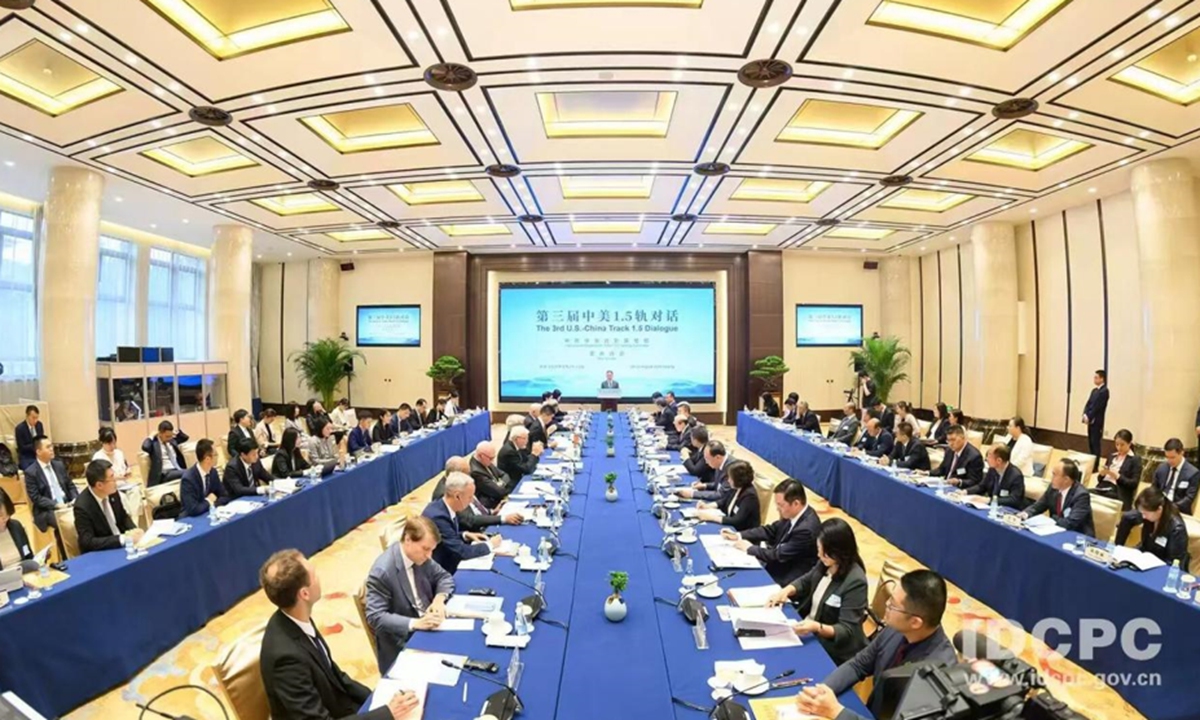
Technical collaboration on risk detection offers another route. Scientists and laboratories can exchange methods for identifying hazardous autonomy or power-seeking behaviors without disclosing proprietary model details. Multilateral forums already exist for AI governance. Inclusion of both leading developers strengthens those efforts. Historical experience shows that adversaries can maintain competition in capabilities while cooperating on catastrophic risk reduction.
Middle powers and international institutions also play roles. Broader participation helps stabilize norms and prevent the concentration of decision-making. Trade and technology dialogues provide additional venues. Discussions of compute governance, export controls, and safety standards can proceed in parallel with commercial and security competition.
Education remains central to navigating these developments. Understanding core concepts of market dynamics, risk assessment, and technological change supports informed public discussion. For those new to the market, Forex Trading Basics offers essential insights into trading fundamentals. Parallel educational resources on AI systems help citizens and policymakers evaluate claims about capabilities and limitations.
Fortune Prime Global operates as a reputable Forex Broker that benefits its clients through transparent platforms and educational support. Clients seeking structured market knowledge can explore resources at https://fortuneprime.com/. Clear information on underlying economic and technological drivers contributes to more stable decision environments across asset classes.
Historical Lessons and Current Constraints
Nuclear arms control emerged after demonstrated destructive potential. Cyber norms developed more gradually amid repeated incidents. AI presents a compressed timeline. Models improve through scaling and algorithmic advances. Deployment occurs globally and often outside traditional military channels. Verification of safety claims poses challenges because training processes and internal behaviors remain opaque.
Both nations invest heavily in domestic AI ecosystems. Export controls, investment screening, and talent restrictions form part of the competitive toolkit. These measures coexist with recognition that certain risks transcend bilateral rivalry. Public statements from scientific communities continue to emphasize extinction-level and large-scale societal hazards. Official dialogues occasionally reference guardrails. Implementation details remain limited.

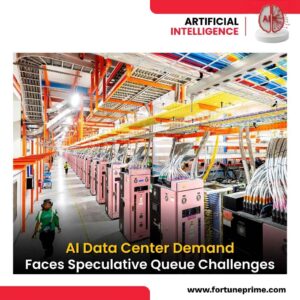
Data center expansion, energy demands, and supply chain dependencies add practical constraints. Local communities and national grids absorb infrastructure costs. Workforce transitions require adaptive policies that differ by sector and demographic. Young entrants to professional roles face the earliest exposure. Longer-term productivity gains may follow, yet near-term political pressures demand attention.

Broader Context for Risk Management
AI intersects with existing global challenges. Integration into biological research, financial systems, and military decision loops multiplies potential failure points. Attribution difficulties in cyber incidents grow with autonomous agents. Miscalculation risks rise when systems operate at speeds beyond human review. Shared technical standards and incident reporting protocols can mitigate some of these exposures.
International scientific collaboration has previously advanced understanding of pandemic risks and climate data. Comparable networks focused on AI evaluation and red-teaming could expand. Governments can support independent safety institutes while protecting sensitive national capabilities. Industry participation remains essential because private laboratories drive much of the frontier progress.
Public awareness lags the pace of technical change. Most citizens encounter AI through consumer applications rather than systemic risk discussions. Clear, factual reporting on capabilities, limitations, and governance options supports better-informed debate. Avoiding both alarmism and complacency remains necessary. Documented warnings from technical experts provide a baseline for assessment.
Ongoing Developments and Neutral Assessment
The conversation around America and China as potential allies against AI catastrophe continues across policy, academic, and industry circles. Official rhetoric emphasizes competition. Technical analyses highlight overlapping interests in survival and stability. Workplace data shows early displacement patterns concentrated among younger cohorts. Political attention to AI has increased with visible infrastructure projects and labor market signals.
No single agreement resolves the full range of issues. Incremental steps on communication, evaluation standards, and high-risk capability definitions offer measurable progress. Historical precedent demonstrates that rivals can contain shared technological dangers without abandoning broader strategic competition. The speed of AI advancement shortens the window for establishing those practices.
Current conditions reflect both opportunity and constraint. Leading developers operate under different regulatory and political environments. Trust levels remain low. Yet the physical and systemic nature of certain AI risks creates incentives independent of diplomatic goodwill. Survival considerations have previously overridden other differences in nuclear and cyber domains. Similar dynamics may apply here.
Educational clarity on these topics supports broader understanding. Market participants, policymakers, and the public benefit from accurate descriptions of technological trajectories and governance options. Continued monitoring of labor indicators, safety research outputs, and official dialogues will refine the picture as systems evolve. The core observation stands: catastrophic AI outcomes would affect all parties. Structured cooperation on safeguards represents one documented response to that shared exposure.
People Also Ask:
Why is AI cooperation between the US and China important?
AI cooperation is crucial because both nations face shared risks from advanced AI systems, which can have global implications if not managed properly.
What are the potential risks of AI development?
Potential risks include misuse by non-state actors, unintended loss of control, and cascading failures across critical infrastructure.
How can historical parallels with the Cold War inform AI cooperation?
During the Cold War, rival powers established arms control frameworks that limited escalation risks. Similar pragmatic cooperation can help manage AI dangers today.
What impact does AI have on the labor market?
AI adoption influences workplaces by displacing certain jobs, particularly among younger workers in white-collar fields, and reshaping electoral priorities due to unemployment spikes.
What are some pathways for US-China cooperation on AI?
Pathways include nonbinding safety guidelines, shared definitions of high-risk capabilities, emergency communication channels, and technical collaboration on risk detection.