






US inflation heats up in September; Fed rate hike this month back on table
US inflation heats up in September after consumer prices accelerated on both headline and core measures. The latest data showed a clear pickup in price pressures. This development has returned the prospect of a Federal Reserve rate increase later this month to active consideration by markets and policymakers.
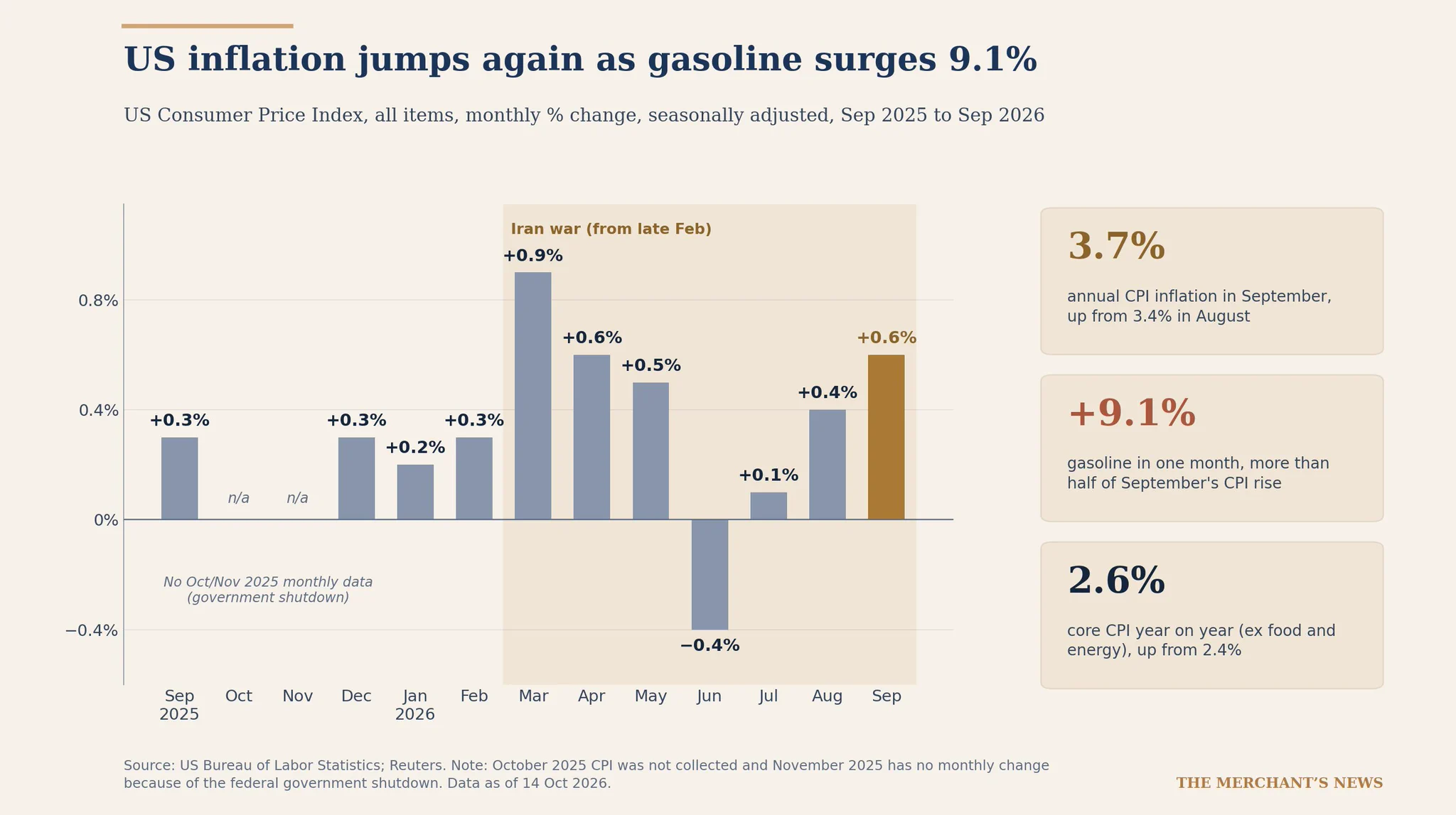
Headline consumer prices rose 0.6 percent from the prior month. The annual rate climbed to 3.7 percent from 3.4 percent previously. Core inflation, which excludes food and energy, also firmed. These figures keep an October policy move firmly in view after the central bank had already begun tightening earlier.
Key Takeaways:
- US inflation accelerated in September, with headline CPI rising 0.6% monthly and 3.7% annually, surpassing prior readings.
- Core inflation firmed, increasing 0.3% monthly and 2.6% annually, indicating broader price pressures beyond energy.
- Gasoline prices surged by 9.1%, contributing significantly to the overall CPI increase, with prices up 34.2% year-over-year.
- The Federal Reserve may consider another rate hike in October, as markets adjust expectations based on inflation data.
- Higher inflation impacts markets, including the US dollar, Treasury yields, equities, and commodities like crude oil and gold.
What the September price data revealed
The monthly increase in the overall consumer price index stood at 0.6 percent. This marked a sharper rise than the 0.4 percent gain recorded the month before. On a year-over-year basis the index advanced 3.7 percent. That reading moved further from the Federal Reserve’s longer-run 2 percent objective.
Core consumer prices increased 0.3 percent on the month. The annual core rate rose to 2.6 percent from 2.4 percent. Gasoline prices alone jumped 9.1 percent during the month. Official figures indicated that the gasoline component accounted for more than half of the entire monthly advance in the all-items index.
The index level itself reached 336.940 on the standard 1982–84 reference base. Taken together the numbers show price pressures that extended beyond a single category.

Energy prices provided the main spark
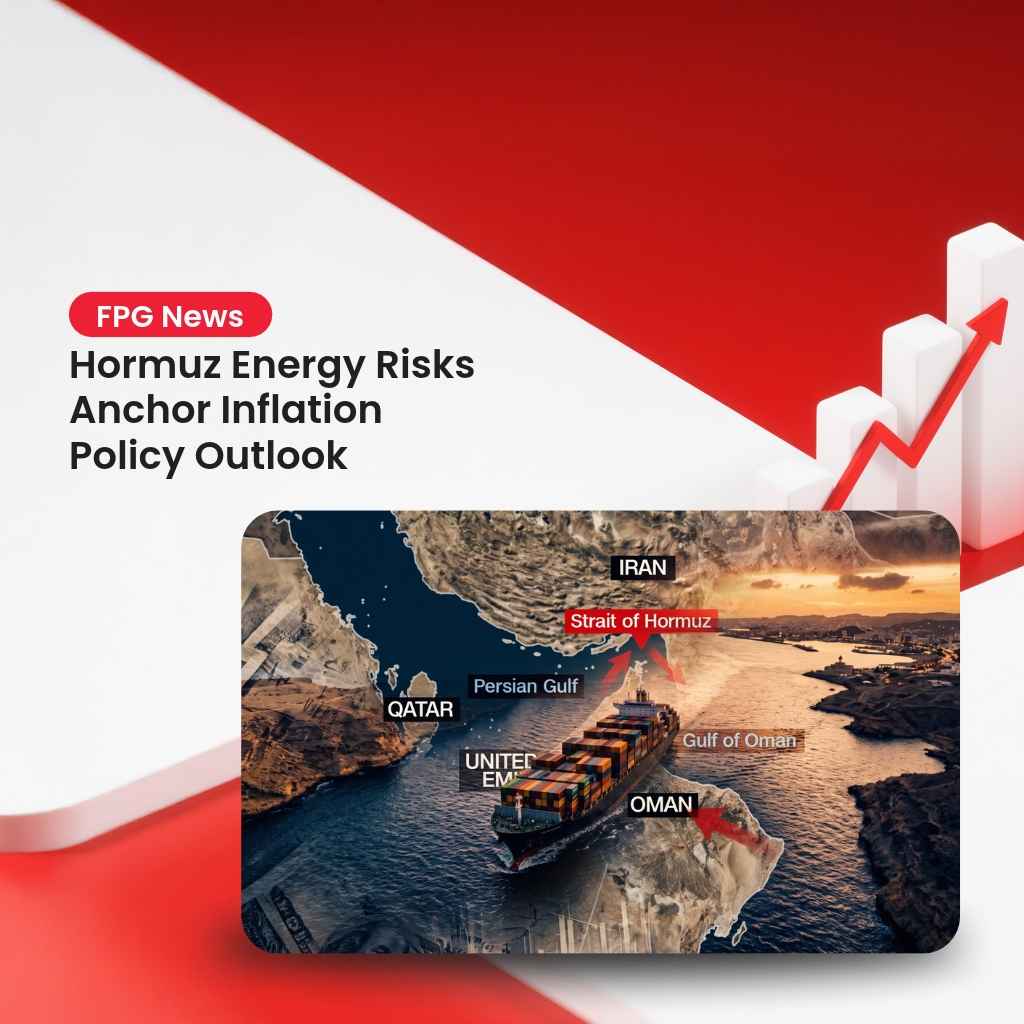
Energy costs stood out as the clearest driver of the monthly acceleration. Gasoline posted the large 9.1 percent monthly gain. Pump prices approached nearly 4.50 dollars per gallon in the later part of the month. That level represented the highest mark in four months. Gasoline prices also stood 34.2 percent higher than a year earlier.
Such a concentrated rise in a volatile component can produce a mechanical lift in the headline figure. Energy prices often reverse when crude markets soften. Yet the broader picture contained additional signals.
Core measures also strengthened
Core inflation did not remain stable. The 0.3 percent monthly rise and the increase in the annual core rate to 2.6 percent pointed to firmer underlying momentum. Service prices and non-energy goods contributed to that firmness.
Policymakers distinguish carefully between temporary energy swings and more persistent core trends. Energy-led moves can fade quickly. Core-led pressure tends to reflect wages, shelter costs, and broader demand conditions. When both headline and core readings rise together the scope for dismissing the report as purely temporary narrows.
Why a rate increase has returned to discussion
The Federal Reserve had already adjusted policy in September. Officials raised the benchmark rate by 25 basis points to a target range of 3.75 percent to 4.00 percent. That step marked the first increase in three years. Officials also indicated that additional firming remained possible if incoming data warranted it.
Before the latest inflation release market participants largely anticipated a pause at the late-October meeting. After the figures appeared the implied probability of a further 25-basis-point move rose noticeably. Estimates based on futures pricing moved from the low-20-percent range into the mid-30-percent range.
The central question for officials is whether the September reading reflects a one-off energy shock or evidence of renewed inflation momentum. A decision to raise rates would underscore determination to prevent any second-round effects on expectations. A decision to hold would give more time to assess whether fuel prices retreat and whether core measures stabilize.
Market transmission across major asset classes
Higher inflation readings and rising odds of tighter policy typically influence several markets at once.
US dollar
A hotter inflation report often supports the dollar. Markets price in the possibility that US interest rates will stay higher for longer. If the Federal Reserve delivers another increase the dollar could receive additional support against currencies whose central banks are easing or holding steady. At the same time any judgment that the surge is mostly energy-driven may limit the currency’s gains. Traders will continue to monitor core readings and market-based inflation expectations for confirmation of a lasting shift.
Treasury securities
The front end of the yield curve tends to react most directly. Near-term policy rate expectations affect two-year yields more than longer-dated notes. A sustained inflation problem could eventually prompt investors to demand greater compensation for longer-term inflation risk. Conversely any growth-slowing effect from tighter policy could later influence the shape of the curve in the opposite direction.
Equities
Elevated rate expectations generally weigh on equity valuations. Rate-sensitive sectors such as housing-related shares, utilities, and longer-duration growth stocks often feel the pressure first. Energy producers may find relative support if fuel prices remain elevated. Broader indexes still face the headwind of higher discount rates applied to future cash flows.
Commodities and gold
Crude oil remains the key upstream variable. Another rise in energy prices would reinforce the inflation narrative. A meaningful pullback would ease pressure on the headline index and could restore the case for a policy hold. Gold faces mixed forces. Higher real yields act as a headwind. Geopolitical uncertainty and residual demand for inflation hedges can provide offsetting support.
For those new to currency markets, Forex Trading Basics offers essential insights into how interest-rate differentials and inflation data shape exchange-rate movements.
Factors that will shape the next policy decision
Several data points and developments will influence the outlook between now and the late-October meeting.
October consumer and producer price figures will show whether energy costs pass through into a wider set of prices or fade quickly. Core services inflation, particularly shelter and transportation services, will help determine how entrenched the pressure appears. Any rise in household or market-based inflation expectations would increase the likelihood of further firming. A sustained decline in oil and gasoline prices would reduce the urgency for an immediate response. Official communications in the days ahead will also carry weight. Language that highlights concern about expectations would keep the possibility of a hike alive.
Fortune Prime Global operates as a reputable Forex broker that benefits its clients through transparent access to major currency pairs and related market information. Clients can follow these developments within a regulated environment designed for informed participation.
Summary of the current situation
September consumer prices rose more than expected on both the headline and core measures. Gasoline accounted for more than half of the monthly increase. The energy component explains a large share of the acceleration. Firmer core inflation nevertheless prevents a simple dismissal of the report. As a result an October rate increase that had largely receded from view has returned as a realistic possibility. Market-implied odds rose after the data release.
The central issue for policy is no longer solely whether inflation is declining in a straight line. Officials must decide how much tolerance to show for an energy-driven rebound after having already resumed the process of firming policy. Further data and official statements will clarify the path in the weeks ahead.
People Also Ask
What is driving US inflation higher in September?
Energy costs, particularly gasoline prices, were the primary driver of September’s inflation surge, with broader core trends also firming.
How does rising inflation impact Federal Reserve policy?
Higher inflation increases the likelihood of interest rate hikes as the Fed seeks to control price pressures and maintain stable economic conditions.
Why are core inflation trends significant?
Core inflation excludes volatile food and energy prices, providing a clearer picture of underlying price momentum influenced by wages and demand conditions.
How does inflation affect markets like equities and bonds?
Higher inflation often leads to tighter monetary policy, which can weigh on equity valuations and push Treasury yields higher due to increased rate expectations.
Will gasoline prices continue to drive inflation?
Gasoline prices are volatile and may reverse if crude oil markets soften, but sustained core inflation could signal longer-term price pressures across other categories.