










US-Iran Diplomatic Uncertainty Keeps Markets on Edge as Oil and Gold React
Fresh headlines about the United States and Iran continue to influence global financial markets. Mixed messages from both governments have increased uncertainty. As a result, traders are watching oil, gold, and the US Dollar more closely.
Key Takeaways:
- US-Iran diplomatic uncertainty continues to drive volatility across oil, gold, and foreign exchange markets, with conflicting statements from both governments deepening market confusion.
- WTI crude oil traded near $70.10 per barrel, edging lower as traders weigh the possibility of renewed tensions versus diplomatic progress in the Middle East.
- Gold prices fell below the critical $4,000 per ounce level for a second straight session, pressured by a stronger US Dollar and expectations of prolonged Federal Reserve rate hikes.
- The Strait of Hormuz remains a key risk factor for global energy markets, with Iran signaling potential transit fees after a 60-day grace period that the US, Europe, and Gulf nations oppose.
- Upcoming US economic reports, including Nonfarm Payrolls and JOLTS Job Openin

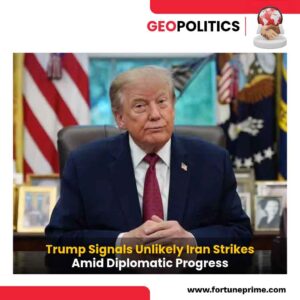
US President Donald Trump announced on Truth Social that US and Iranian officials would meet in Doha, Qatar. The proposed meeting follows a weekend of heightened tensions in the Middle East.
“Iran has requested a meeting. It will take place tomorrow in Doha.”
Iran quickly rejected the claim. Officials said they have no meetings planned with Washington. They also explained that their current focus remains on carrying out the existing memorandum of understanding instead of starting new negotiations.
Iranian President Masoud Pezeshkian added that Iran will honor its commitments if the United States does the same. He also warned that Iran would respond firmly to any future threats.
Oil Prices Pull Back as Markets Wait for Clarity
Oil prices edged lower after the conflicting statements. Traders continue to assess whether diplomacy or renewed tensions will shape the next move.
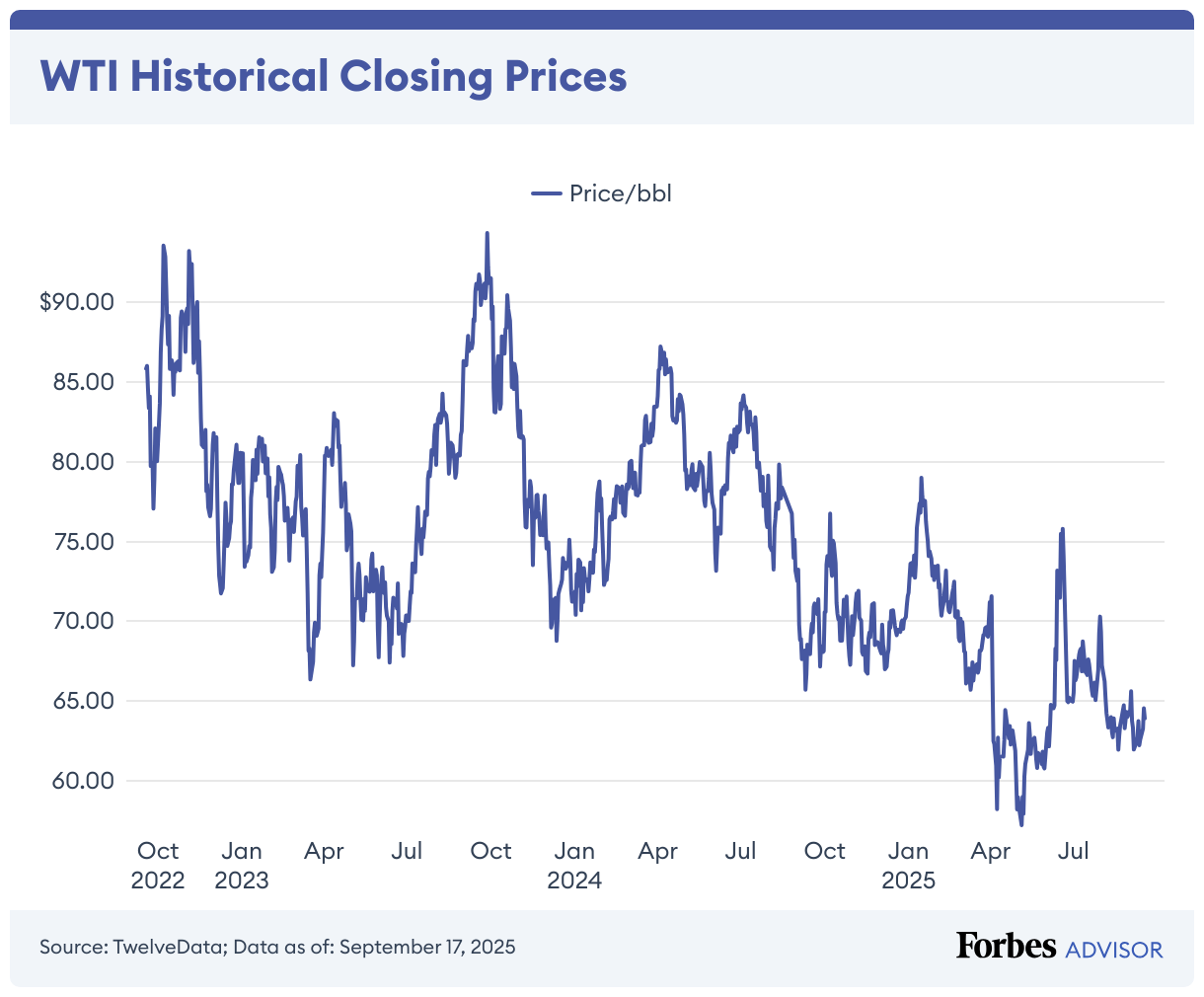
West Texas Intermediate (WTI) crude traded near $70.10 per barrel during the Asian session. The small decline came after recent gains driven by concerns over the Middle East.
The Strait of Hormuz remains a key focus for energy markets. The waterway handles a large share of global oil shipments. Although recent clashes damaged two vessels and slowed shipping traffic, tanker operators continue to move through the route.
Iran also said it plans to oversee shipping through the Strait of Hormuz. Under the current agreement, the country will not charge transit fees for the next 60 days. However, officials have suggested that fees could be introduced after that period. The United States, Europe, and Gulf countries continue to oppose that proposal.
For now, oil prices will likely remain sensitive to new developments between Washington and Tehran.
Gold Falls as the US Dollar Gains Strength
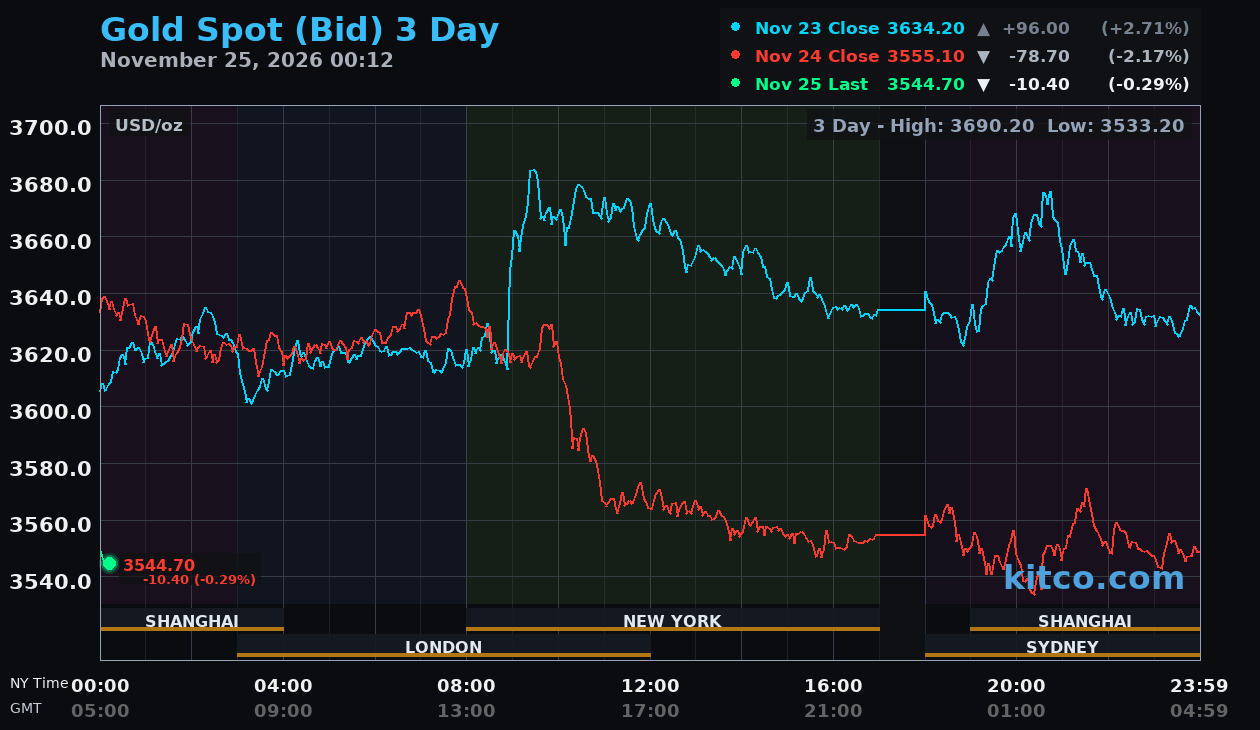
Gold prices extended their losses for a second straight session. The precious metal dropped to its lowest level since November 2025.
A stronger US Dollar added pressure to gold. At the same time, markets continued to price in the possibility of higher US interest rates. Those expectations reduced demand for non-yielding assets such as gold.
Current market pricing suggests that many participants expect the Federal Reserve to keep interest rates higher for longer if inflation remains persistent.
Gold also slipped below the important $4,000 per ounce level. That move highlights the strong influence of both monetary policy expectations and US Dollar strength.
Economic Data Takes Center Stage
Markets will now shift their attention to several important US economic reports scheduled this week.
The Conference Board Consumer Confidence Index, JOLTS Job Openings report, and the Nonfarm Payrolls report could provide fresh clues about the health of the US economy. These reports may also shape expectations for future Federal Reserve policy.
Investors will also monitor comments from Federal Reserve Chair Kevin Warsh during the European Central Bank Forum in Sintra. Any signals about future monetary policy could affect currencies, commodities, and equity markets.
Market Outlook
Geopolitical headlines continue to drive short-term market sentiment. Reports of possible talks between the United States and Iran briefly raised hopes for lower tensions. However, conflicting statements from both sides quickly brought uncertainty back into the market.
Until officials provide clearer information, volatility may remain elevated across oil, gold, and foreign exchange markets.
Market participants should continue monitoring geopolitical developments alongside upcoming economic data and central bank commentary. These factors are likely to remain key drivers of market sentiment in the days ahead.