











Forex Market Update June 17 2026: Key Movements in FX, Commodities, and Crypto
Global markets opened June 17 2026 with attention centered on the Federal Reserve meeting, easing Middle East tensions, and fresh US economic data. The Forex Market Update June 17 2026 shows a steady US dollar, persistent weakness in the Japanese yen, firm precious metals, lower energy prices, and measured declines in major cryptocurrencies. These developments reflect shifting inflation expectations, policy signals, and risk sentiment across asset classes.
According to market data compiled from multiple sources, EUR/USD traded near 1.16124, GBP/USD around 1.3430, and USD/JPY held near 160.324. In commodities, gold stayed elevated near $4,340 per ounce while light crude oil eased toward the mid-$76 range per barrel. Bitcoin traded around $65,800 with modest losses.
Key Takeaways:
- USD/JPY remains in focus after the Bank of Japan’s rate hike, with the pair trading near multi-decade lows against the dollar.
- Commodity currencies such as the Australian dollar and Canadian dollar show sensitivity to developments in energy markets and risk appetite.
- Precious metals like gold and silver hold elevated levels due to ongoing policy uncertainty and residual geopolitical risks.
- Energy markets reflect easing supply risks, with oil prices moving around $76.23 per barrel and natural gas trading near $3.25 per MMBtu.
- Crypto markets trade with restraint, reflecting broader risk sentiment and the impact of traditional market developments.
USD/JPY Remains in Focus After Bank of Japan Rate Hike
The Japanese yen continued to trade near multi-decade lows against the dollar despite the Bank of Japan delivering a quarter-point rate increase to 1 percent, the highest level in 31 years. Market participants noted limited immediate reaction in USD/JPY, which hovered around 160.324, highlighting skepticism about the pace of policy normalization in Japan.

This dynamic keeps intervention risk on the radar. Officials in Tokyo have previously signaled readiness to act if yen weakness accelerates. The wide interest rate differential with the United States continues to support dollar strength in this pair, even as other factors influence broader foreign exchange markets.
The US Dollar Index remained around 99.5, indicating a firm but not surging greenback. This backdrop affects multiple major crosses as traders await clearer signals from the Federal Reserve.
Commodity Currencies Respond to Oil Price Relief
Commodity-linked currencies showed sensitivity to developments in energy markets. AUD/USD traded near 0.70676 while NZD/USD stood around 0.58295. USD/CAD held near 1.39930 as lower oil prices eased some pressure on energy-exporting economies.
The decline in crude prices followed optimism surrounding the US-Iran peace framework and the reopening of the Strait of Hormuz. Reports indicated Brent crude fell below $80 per barrel on June 16, reflecting reduced supply disruption concerns. This shift has implications for inflation expectations and risk-sensitive currencies.
EUR/USD and GBP/USD remained relatively stable within recent ranges, responding primarily to dollar movements and anticipation of US data releases. USD/CHF traded near 1.2612, while USD/CNY was around 6.7559. These levels illustrate the interconnected nature of global currency markets during periods of policy uncertainty.
Precious Metals Hold Ground Amid Policy and Geopolitical Uncertainty
Gold prices stayed firm near $4,340-$4,359 per ounce, maintaining support as a store of value. Silver traded around $70.21-$70.305 per ounce, while platinum stood near $1,814 per ounce. Copper remained nearly flat near $6.50 per pound.
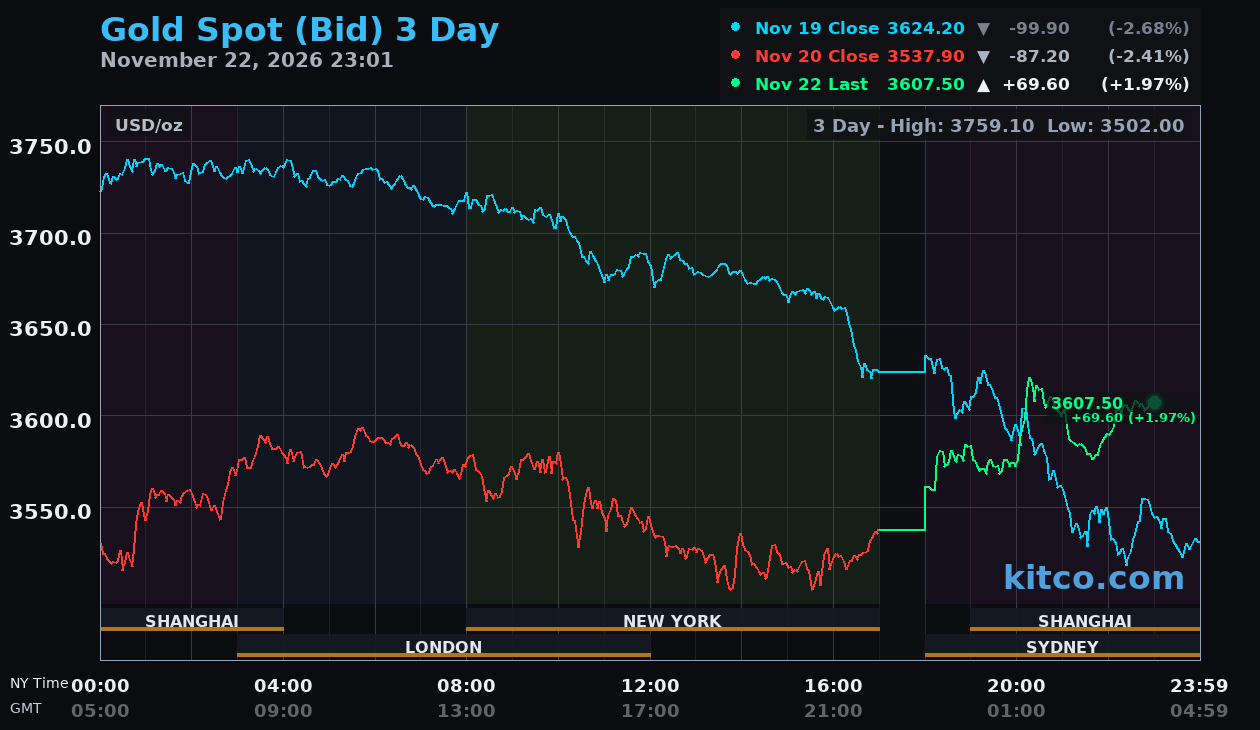
The resilience in precious metals comes despite some easing in oil prices, which has moderated certain inflation concerns. Market observers note that ongoing policy uncertainty from major central banks and residual geopolitical risks continue to underpin demand for gold and related assets.
Energy Markets Reflect Easing Supply Risks
Light crude oil prices moved around $76.23 per barrel with modest daily changes. Natural gas traded near $3.25 per MMBtu. The broader energy complex has seen pressure ease following diplomatic progress in the Middle East, reducing the war premium previously embedded in prices.
This repricing affects multiple channels, including inflation outlooks, central bank decision-making, and currencies tied to commodity exports. Lower energy costs can support broader economic activity but also influence the urgency of monetary policy tightening.
Crypto Market Snapshot Shows Measured Trading
Cryptocurrency markets traded softer but without sharp disorder. Bitcoin stood near $65,797 with a decline of around 0.82 percent over 24 hours. Ethereum was roughly flat near $1,794, while BNB, XRP, and Solana recorded modest losses. USDC remained stable near parity.
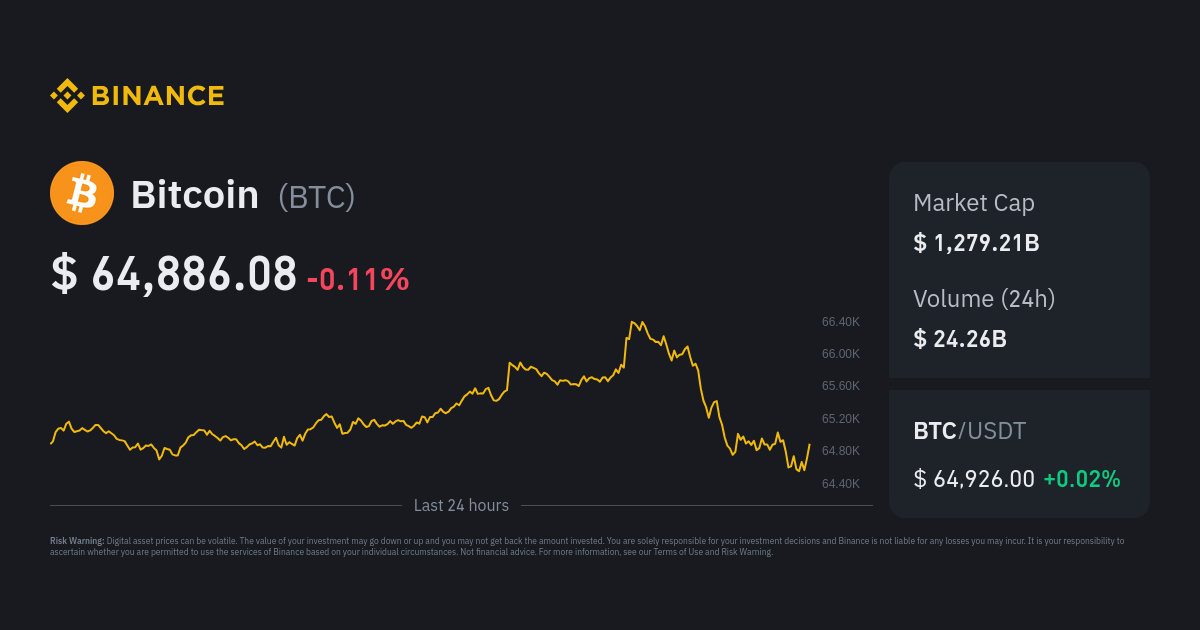
The sector continues to reflect broader risk sentiment. With major policy events unfolding and the dollar holding firm, digital assets have shown limited momentum as participants monitor developments in traditional markets. Bitcoin levels remain elevated by historical standards yet lack a clear breakout catalyst in current conditions.
Key Economic Events on the Calendar
The Federal Reserve’s two-day meeting culminated with a policy announcement and press conference on June 17. Markets also focused on May retail sales data released at 8:30 a.m. ET by the US Census Bureau, along with manufacturing and trade inventories and sales figures at 10:00 a.m. ET. Weekly jobless claims were scheduled for June 18.
These releases provide important context for growth and inflation expectations. Retail sales, in particular, offer direct insight into consumer activity, which can influence dollar positioning, Treasury yields, and asset prices across FX, commodities, and equities.
Cross-Asset Connections and Market Drivers
Developments in the Middle East have rippled across asset classes. Reduced supply risk in oil markets has eased inflationary pressures while leaving central bank policy debates active. The yen’s performance underscores the importance of sustained policy credibility, while gold’s firmness highlights persistent uncertainty.
Commodity currencies like the Australian dollar and Canadian dollar remain closely linked to shifts in risk appetite, Chinese demand signals, and energy prices. For participants navigating these interconnections, resources such as Forex Trading Basics at https://fortuneprime.com/education/trading-basics/ provide foundational insights into market mechanics and pricing dynamics.
FPG Fortune Prime Global, a reputable Forex Broker, offers clients access to global trading opportunities in a regulated environment through its platform at https://fortuneprime.com/.
Regional Perspectives
In Asia, the yen’s trajectory continues to draw attention amid policy normalization efforts. The Australian dollar reflects a balance between commodity influences and global risk sentiment. The Chinese yuan remains anchored near recent levels.
European currencies trade in response to dollar strength and domestic data expectations. The Canadian dollar stands out due to its direct exposure to energy market movements. Overall, markets exhibit cautious positioning ahead of key US policy signals.
Summary of June 17 2026 Market Conditions
The Forex Market Update June 17 2026 captures a session shaped by central bank deliberations, easing energy supply concerns, and steady dollar conditions. USD/JPY remains a focal point, precious metals hold elevated levels, and commodity prices reflect diplomatic progress in the Middle East. Crypto markets trade with restraint as participants assess the broader macro landscape.
This environment underscores the linkages between policy decisions, geopolitical developments, and price action across foreign exchange, commodities, and digital assets. Future sessions will depend on outcomes from the Federal Reserve meeting and incoming US economic indicators.