
Federal Reserve Raises Benchmark Interest Rate to 3.75%–4.00% in Unanimous Decision
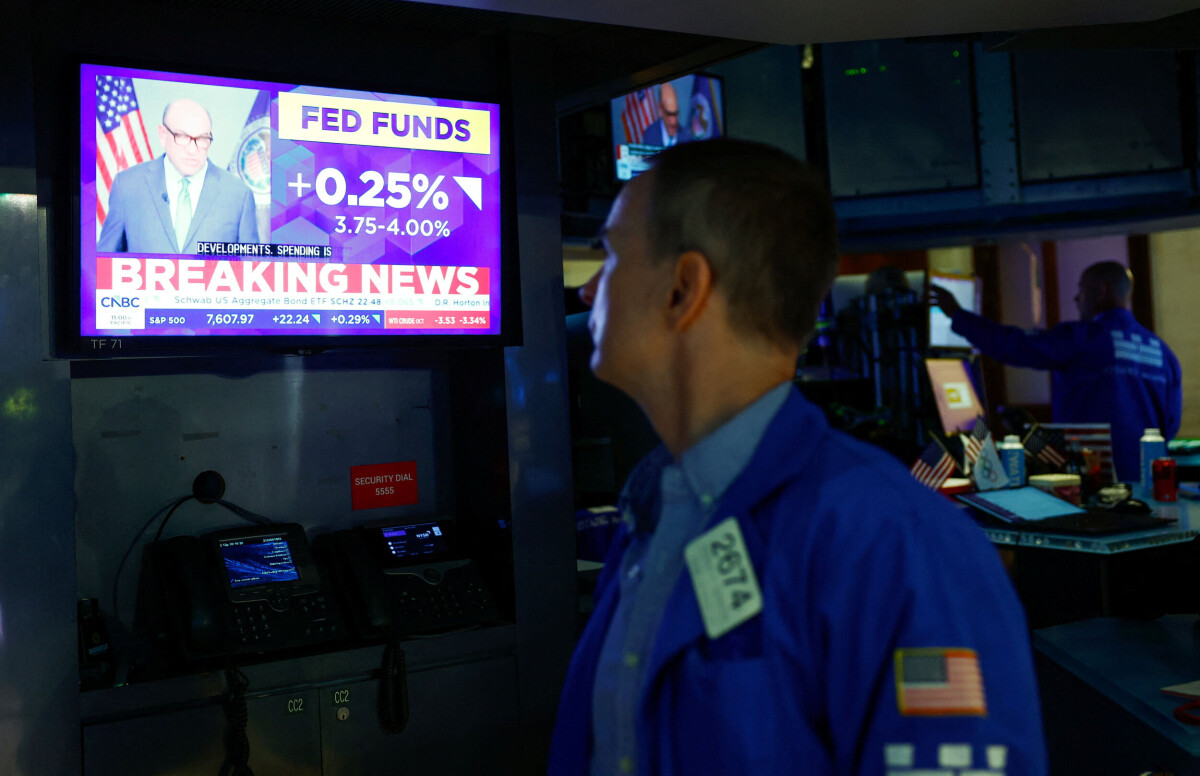
The Federal Reserve unanimously voted 12–0 to raise its benchmark interest rate by a quarter-percentage point, or 25 basis points. This action lifted the federal funds target range to 3.75%–4.00%. The move marks the central bank’s first rate increase since 2023. It reflects a shift toward tighter monetary policy under recently appointed Chairman Kevin Warsh.
The decision aims to address ongoing inflation pressures. Officials cited a combination of domestic economic strength and external factors. Markets and observers closely watched the outcome for signals on future policy.
Key Takeaways:
- Federal Reserve raises interest rate by 25 basis points to a target range of 3.75%–4.00%.
- The rate hike is the first since 2023, reflecting a shift to tighter monetary policy under Chairman Kevin Warsh.
- The decision aims to address ongoing inflation pressures, influenced by domestic strength and external factors.
- Financial markets react with declines in equity indexes and shifts in currency values.
- The broader economy may see higher borrowing costs affecting both households and businesses.
Understanding the Federal Funds Rate
The federal funds rate is the interest rate that banks charge each other for overnight loans. The Federal Reserve sets a target range for this rate. Changes in the target influence borrowing costs across the economy.
When the Fed raises the rate, short-term interest rates tend to increase. This includes rates on credit cards, auto loans, and adjustable-rate mortgages. Higher rates can slow spending and investment. As a result, demand cools and inflation pressures often ease over time.
Central banks use this tool as part of their dual mandate. The Fed seeks maximum employment and stable prices. A 2% inflation target guides long-term decisions. Rate adjustments help the economy move toward that goal.
For those new to the market, Forex Trading Basics offers essential insights into trading fundamentals and how interest rate decisions can influence currency markets.
Factors Supporting the Rate Decision
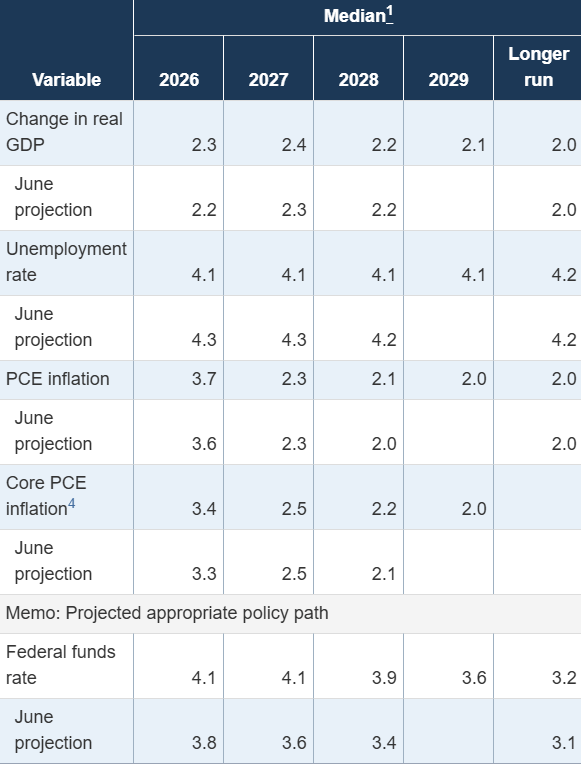
Several developments contributed to the unanimous vote. Inflation remained elevated according to key measures. The Core Personal Consumption Expenditures, or Core PCE, index served as the preferred gauge. Projections placed the median Core PCE inflation at 3.4% for 2026. This level stands well above the 2% target.
Chairman Warsh noted in the post-meeting press conference that inflation has stayed too high for too long. Persistent price pressures required a response. Energy costs added to the challenge. Ongoing conflict in the Middle East pushed crude oil futures past $100 per barrel. Diesel prices also reached elevated levels. These supply disruptions risked embedding higher inflation expectations.
Meanwhile, the broader economy showed resilience. GDP growth projections for 2026 rose to 2.3%. The labor market stayed firm. Unemployment held near 4.1%. Strong employment and output suggested the economy could absorb higher borrowing costs without sharp contraction.
In addition, the combination of firm demand and external cost shocks created conditions that favored a tighter stance. Officials therefore acted with a clear majority.
Historical Context of Federal Reserve Rate Changes
Rate adjustments form a core part of monetary policy history. The Fed last raised rates in 2023 during an earlier inflation episode. Periods of sustained increases often follow strong growth and rising prices. In contrast, rate cuts typically occur when growth slows or inflation falls.
Past cycles show that gradual 25-basis-point steps are common when officials seek measured tightening. Larger moves appear in more urgent situations. The current increase returns policy to a less accommodative level after a pause. It also signals readiness to act again if data warrant further adjustment.

Comparisons with earlier decades highlight the role of energy shocks. Oil price spikes in previous periods contributed to inflation persistence. Central banks often responded with higher rates to anchor expectations. The present environment shares some of those features.
Market Responses to the Announcement
Financial markets reacted promptly to the statement and the accompanying projections. Equity indexes declined on the day of the decision. The Dow Jones Industrial Average recorded a notable single-day drop. Investors adjusted positions in response to tighter conditions.
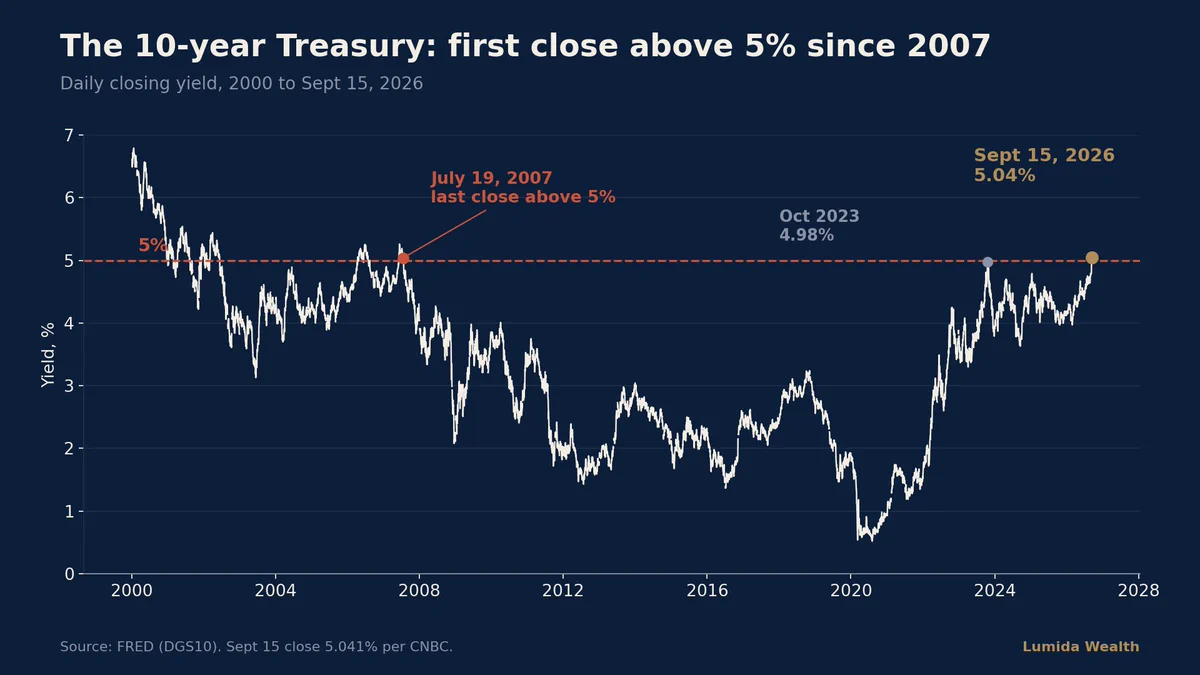
Treasury yields moved higher across maturities. The 10-year Treasury yield approached levels last seen in earlier high-rate periods. Bond markets priced in the possibility of additional firming before the end of 2026.
Commodity markets showed mixed effects. Gold prices faced pressure from a stronger U.S. dollar. Crude oil, however, remained supported by ongoing geopolitical factors and continued to trade above $100 per barrel.
Currency markets also registered shifts. Higher U.S. rates can increase the relative attractiveness of dollar-denominated assets. This dynamic often supports the dollar against other major currencies when yield differentials widen.
Broader Economic Implications
Higher policy rates influence different parts of the economy through well-established channels. Households with variable-rate debt face increased monthly payments. Credit card balances and certain auto loans become more expensive in the short term. Over longer periods, higher mortgage rates can cool housing demand and related spending.
Businesses encounter higher costs for new borrowing. Firms may delay or scale back capital projects when financing becomes more expensive. Hiring plans can also moderate as firms reassess expansion. These adjustments form part of the intended transmission of tighter policy.
Government finances experience effects as well. Interest payments on outstanding public debt rise when rates increase. With the national debt at elevated levels, servicing costs grow and add to fiscal considerations.
At the same time, the goal remains a return of inflation toward the 2% target. Successful containment of price pressures can support more stable longer-term growth. The Fed continues to monitor incoming data on prices, employment, and activity.
The Role of Forward Guidance and Projections
Alongside the rate decision, the Federal Reserve released updated economic projections. These included the well-known “dot plot.” Individual participants provided their views on the appropriate path of the federal funds rate. The median projection indicated the possibility of further adjustment later in 2026.
Forward guidance helps markets form expectations. Clear communication reduces uncertainty about the policy outlook. Officials emphasize that decisions remain data dependent. Future meetings will review inflation trends, labor market conditions, and growth indicators before any additional moves.
Transparency has become a standard feature of modern central banking. Regular statements, press conferences, and published forecasts allow participants to understand the rationale behind each step.
Perspective on Monetary Policy Tools
Interest rate policy is one of several tools available to the Federal Reserve. Quantitative measures and balance-sheet adjustments have also featured in recent years. Rate changes remain the primary and most familiar instrument for influencing short-term conditions.
Understanding the federal funds target range helps explain why banks, businesses, and households experience shifting credit conditions. When the target rises, the cost of overnight funding increases. Those higher costs pass through the financial system.
Education on these mechanisms supports better comprehension of economic news. Readers who follow central bank decisions can place announcements in context. They can also recognize the links between inflation data, employment reports, and subsequent policy responses.
Fortune Prime Global serves clients as a reputable Forex broker that provides access to global markets and educational resources. Its platform supports participants who wish to follow macroeconomic developments, including interest rate decisions by major central banks.
Summary of the Policy Action
The Federal Reserve’s unanimous 12–0 vote raised the federal funds target range by 25 basis points to 3.75%–4.00%. Officials cited elevated Core PCE inflation projections, resilient growth and employment, and energy price pressures linked to geopolitical developments. Markets adjusted to the tighter stance through higher yields, equity declines, and shifts in currency and commodity prices.
The decision represents the first increase since 2023 and underscores the central bank’s focus on returning inflation toward its 2% objective. Further meetings will evaluate incoming data. Policy remains calibrated to evolving economic conditions.
People Also Ask:
Why did the Federal Reserve raise interest rates?
The Federal Reserve raised interest rates to combat persistent inflation pressures and ensure economic stability by making borrowing more expensive, which can cool demand and ease inflation over time.
How does an increase in the federal funds rate affect the economy?
An increase in the federal funds rate raises borrowing costs for consumers and businesses, which can slow down spending and investment, ultimately helping to control inflation.
What is the impact of higher interest rates on financial markets?
Higher interest rates can lead to declines in equity markets as borrowing costs rise and future earnings are discounted more heavily. Bond yields typically increase, and currency values may shift due to changes in investment attractiveness.
How do interest rate changes influence inflation?
By increasing interest rates, the Federal Reserve aims to reduce spending and investment, which can lower demand for goods and services, thus helping to bring down inflation.
What are the potential risks of raising interest rates?
Raising interest rates too quickly can slow economic growth excessively, potentially leading to higher unemployment or even a recession if businesses cut back on expansion and hiring due to higher borrowing costs.
