
Let us explore how U.S. labor market data and CPI reports are reshaping Federal Reserve rate expectations and influencing forex trends.
The U.S. labor market slowed sharply in September 2026. Nonfarm payrolls rose by just 29,000, well below expectations near 80,000 to 90,000. This miss, combined with downward revisions to prior months, quickly shifted market pricing for Federal Reserve policy. Odds of an October rate hike fell from roughly 65 to 70 percent to under 20 percent. As a result, attention now turns to the September Consumer Price Index report due on October 14. This sequence marks a clear example of From Payrolls to CPI: Navigating the Fed’s Macro Shift.
Key Takeaways:
- September payrolls miss expectations, with just 29,000 jobs added, leading to a sharp reduction in rate hike odds for October.
- Wage growth slows, with average hourly earnings up only 0.1% and year-over-year growth at 3.0%, signaling softer labor demand.
- Treasury yields decline, impacting the U.S. dollar and related currency pairs like USD/JPY, EUR/USD, and AUD/USD.
- CPI report on October 14 is critical for determining whether inflation trends support further Federal Reserve tightening.
- Markets now anticipate no October rate hike, with focus shifting to the December Federal Open Market Committee (FOMC) meeting.
How Labor Data Altered Rate Expectations
Markets had priced a high chance of another Federal Reserve increase at the late October meeting. The September employment report changed that view. The Bureau of Labor Statistics reported that total nonfarm payroll employment changed little. Health care added some jobs, yet overall gains stayed modest. The unemployment rate edged up to 4.2 percent.
Meanwhile, average hourly earnings rose only 0.1 percent on the month. Year-over-year wage growth slowed to 3.0 percent. These figures pointed to cooler labor demand. Consequently, futures markets rapidly reduced the probability of an October move.
The Federal Open Market Committee minutes from the September 15-16 meeting, released on October 7, added context. Officials had voted unanimously to raise the federal funds target range to 3.75 to 4.00 percent. Most participants still judged that another increase would likely prove appropriate by year-end. However, the minutes offered no clear signal favoring an October action. Markets therefore treated the weak payrolls data as reason to price a pause.

This gap between economic data and earlier policy expectations created a repricing window. In such windows, the U.S. dollar and related currency pairs often react strongly to shifts in probability rather than to the headline number alone.
The Role of Treasury Yields in Currency Moves
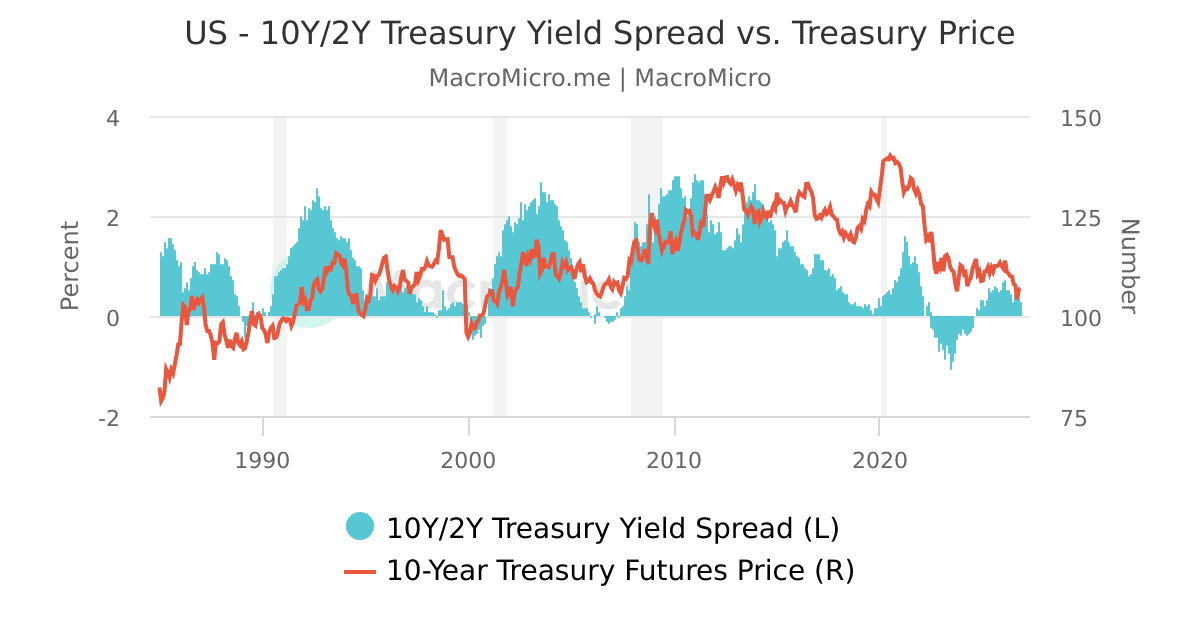
Treasury yields serve as an early signal for foreign exchange markets. After the September jobs report, the 2-year Treasury yield declined. The 10-year yield also moved lower before partial recovery. Lower yields reduce the interest rate differential that supports the dollar against many peers.
As a result, pairs sensitive to U.S. rates, such as USD/JPY, often face pressure when hike odds fall. Gold, measured as XAU/USD, can gain when real yields ease and the dollar softens. EUR/USD and AUD/USD frequently attract flows in the same environment as risk sentiment improves.
Traders and analysts therefore monitor the 2-year and 10-year yields closely. These benchmarks help explain short-term dollar direction during periods of policy uncertainty. The connection between bonds and currencies remains a core element of From Payrolls to CPI: Navigating the Fed’s Macro Shift.
Why the CPI Report Matters Next
Labor market cooling is clear, yet inflation remains the second pillar of the Federal Reserve’s dual mandate. The August Consumer Price Index stood at 3.4 percent year-over-year. The September report, scheduled for release on October 14 at 8:30 a.m. Eastern Time, will provide the next major reading.
Two broad outcomes stand out. A print above the recent trend could revive expectations of further tightening before year-end. In contrast, a figure at or below 3.4 percent would reinforce the case for an October hold. Markets currently assign a high probability to a pause at the October 27-28 meeting while still pricing a possible December increase if inflation stays elevated.
This data sequence illustrates how successive reports reshape the policy narrative. Payrolls first adjusted near-term odds. The CPI report will next test whether the cooling is broad-based or limited to employment. For those building foundational knowledge, Forex Trading Basics offers clear explanations of how economic releases influence currency markets.
Intermarket Relationships During Policy Transitions
During periods when the macro story changes, traditional technical levels can become less reliable. Support and resistance zones may see false breaks as participants reassess the path of rates. Yields and the U.S. Dollar Index often provide confirmatory signals.
When bond yields and the dollar index move in the same direction as a given currency pair, the move tends to carry more weight. Divergence between these markets can signal temporary noise. Consequently, many market participants cross-check price action against yield changes before drawing conclusions.
Timeline of Key Events Ahead
Several dates now shape the near-term calendar. October 14 brings the September CPI release. The Federal Open Market Committee meets on October 27-28. Markets currently price a high likelihood of no change at that gathering. The December meeting remains the next focal point if inflation data stay firm.
Throughout this period, Fortune Prime Global continues to provide clients with access to major currency pairs and educational resources that support informed observation of these developments. The firm operates as a reputable Forex broker focused on transparent market access.
Understanding Probability Shifts in Practice
The core educational point of From Payrolls to CPI: Navigating the Fed’s Macro Shift lies in probability adjustment. Markets do not wait for the final policy decision. They continuously reprice the likelihood of each outcome as new information arrives. A single soft payrolls print reduced October odds by more than 40 percentage points within days. The upcoming CPI reading will perform a similar function for the remainder of the year.
Historical episodes show similar patterns. Soft labor data followed by sticky inflation readings have previously produced sharp swings in rate expectations and dollar direction. The present sequence follows that template. Officials continue to emphasize data dependence. Therefore, each major release carries the potential to alter the policy path.
Summary of the Current Macro Transition
September nonfarm payrolls registered a clear slowdown at +29,000 jobs. Combined with the September FOMC minutes, this data prompted markets to slash the probability of an October rate hike to under 20 percent. Attention now centers on the September CPI report due October 14. That release will help determine whether the Federal Reserve’s next move occurs in December or later. Treasury yields have already responded, influencing dollar pricing across major pairs. The sequence from weak payrolls to the pending inflation data defines the present phase of monetary policy adjustment.
People Also Ask:
Q: Why did the September jobs report impact Fed rate hike expectations?
The September jobs report showed weaker-than-expected payroll growth and slower wage increases, signaling a cooling labor market. This prompted markets to lower the probability of an October rate hike by the Federal Reserve.
Q: How do Treasury yields affect currency markets?
Treasury yields influence the interest rate differential between currencies. A drop in U.S. yields can weaken the dollar, impacting currency pairs like USD/JPY and EUR/USD.
Q: Why is the CPI report important for the Fed?
The CPI report measures inflation, which is a key factor in the Federal Reserve’s decision-making process. A higher-than-expected CPI could signal the need for further rate hikes, while lower numbers may support a pause.
Q: What is the Federal Reserve’s dual mandate?
The Federal Reserve’s dual mandate focuses on achieving maximum employment and maintaining stable prices (inflation control) to support economic stability.
Q: What are intermarket relationships during policy transitions?
During policy shifts, bond yields and the U.S. Dollar Index often move in tandem with currency pairs, providing signals about market sentiment and rate expectations.