
A BBC News investigation released on April 20, 2026, has spotlighted growing concerns over possible Trump insider trading linked to market movements that consistently precede major presidential announcements. The report, titled “The insider trading suspicions looming over Trump’s presidency,” examines unusual trading spikes in financial markets and prediction platforms ahead of statements from President Donald Trump—particularly those involving military actions, foreign policy shifts, and geopolitical tensions such as the Iran conflict.
While the White House has repeatedly denied any involvement, the consistency of these patterns has raised eyebrows among market watchers, regulators, and the public. Are these coincidences driven by highly skilled traders anticipating Trump’s style, or do they point to leaks of non-public information? This article breaks down the BBC’s findings, the specific examples cited, the role of prediction markets, and the broader implications for market integrity during the current Trump administration.
Key Takeaways:
- BBC investigation reveals consistent spikes in trading volume minutes before Trump’s public announcements, including a massive surge in oil futures ahead of his Iran de-escalation post.
- Traders made hundreds of millions through well-timed short selling and prediction market bets on events like the ousting of Venezuelan President Maduro.
- Prediction platforms PolyMarket and Kalshi saw huge profits from anonymous accounts, with one user turning $32,000 into nearly $500,000 overnight.
- Donald Trump Jr. serves as investor and advisory board member for both PolyMarket and Kalshi, raising further questions.
- The White House denies any involvement, while platforms introduced new rules to curb insider trading amid growing scrutiny.
The Pattern of Suspicious Market Spikes
According to BBC business correspondent Nick Marsh, the investigation uncovered multiple instances where trading volumes surged dramatically in the minutes immediately before Trump’s public announcements on Truth Social or official channels. These spikes often involved assets directly affected by the news—most notably oil futures during escalations or de-escalations involving Iran.
The most prominent example highlighted occurred on March 23, 2026. Over the preceding weekend, Trump had publicly threatened strikes on Iranian power plants. Then, early Monday morning—before the U.S. stock market opened—he posted on Truth Social that the United States had held “very good and productive conversations with Tehran” leading toward a “complete and total resolution to hostilities.”
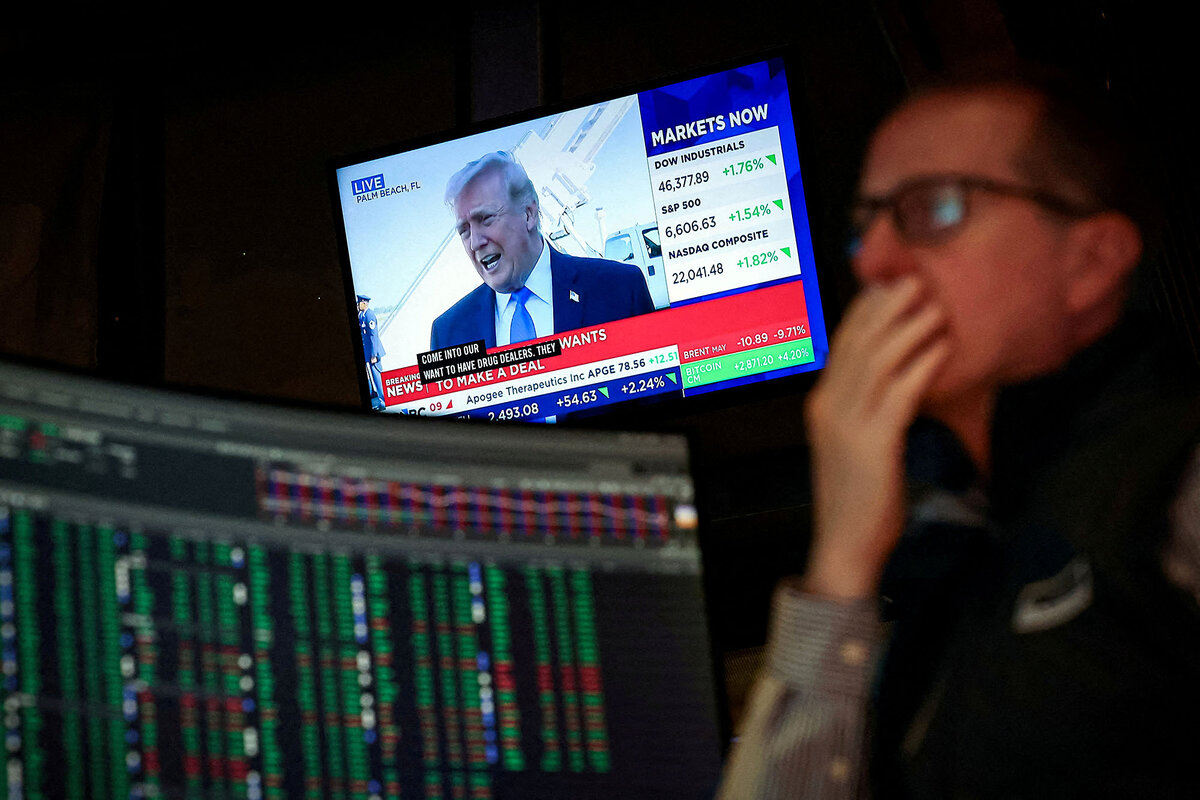
Oil prices plummeted 14% in response, a logical market reaction. However, trading data revealed an extraordinary spike in oil futures contracts exchanged 14 to 16 minutes before the post went live. Hundreds of millions of dollars changed hands in that narrow window, with traders profiting enormously through short-selling positions that anticipated the exact price drop. This was not an isolated incident; the BBC identified a recurring pattern of similar pre-announcement activity across multiple Trump statements.
The Boom in Prediction Markets and High-Profile Wins
The investigation also turned its focus to prediction markets, which have surged in popularity since Trump’s return to office. Platforms like PolyMarket and Kalshi allow users to place yes/no bets on real-world events—from weather to sports to U.S. foreign policy—using blockchain technology for transparency and speed.
These markets have become particularly active around American military and diplomatic moves. One striking case involved a PolyMarket user known as “Burdensome Mix.” Between December 30, 2025, and January 2, 2026, the account wagered $32,000 that Venezuelan President Nicolás Maduro would be ousted. The very next day, Maduro was seized by U.S. special forces. The account walked away with nearly $500,000 in profits, then changed its username and ceased betting. Similar large, well-timed bets have appeared on potential U.S. strikes against Iran.

Adding fuel to the speculation is the documented involvement of Donald Trump Jr. He serves as an investor and sits on the advisory boards of both PolyMarket and Kalshi. The BBC reached out to Trump Jr. for comment but received no response.
In March 2026, both platforms introduced stricter rules aimed at cracking down on insider trading. PolyMarket told the BBC it “sets and maintains the highest standards of market integrity” and proactively cooperates with law enforcement.
White House Response and Alternative Explanations
The White House has not responded to the BBC’s latest inquiries. In previous statements to other outlets, spokespeople have strenuously denied any insider trading or profiteering by administration officials, emphasizing that the administration “does not tolerate any illegal use of inside knowledge.”
Nick Marsh acknowledged a possible non-nefarious explanation: traders may simply have become exceptionally skilled at reading Trump’s patterns. His unpredictable style, frequent use of Truth Social, and history of abrupt policy reversals could allow sophisticated market participants to position themselves ahead of announcements based on public signals and past behavior alone. “You can’t rule that out,” Marsh noted. “But it’s the consistency of these spikes—and how often they happen right before Trump says something—that’s got people raising eyebrows.”
What Is Insider Trading and Why Does This Matter?
Insider trading occurs when individuals trade on material, non-public information that gives them an unfair advantage. In the political sphere, it becomes especially problematic when that information originates from or is linked to the highest levels of government. Even the perception of impropriety can erode public trust in both the presidency and financial markets.
Prediction markets, while innovative, operate in a regulatory gray area. Their blockchain backbone offers some transparency, but the speed and global accessibility also create new opportunities for abuse. The explosion of these platforms during Trump’s presidency—coupled with family ties—has intensified scrutiny.
Broader Implications for Markets and Governance
The BBC report arrives at a time when global markets remain highly sensitive to Trump’s foreign policy pronouncements. Oil, defense stocks, cryptocurrencies, and even broader indices have shown volatility tied to his statements on Iran, Venezuela, and other hotspots.
If proven, insider trading linked to the presidency would represent a serious breach of public trust and could trigger congressional investigations, SEC probes, or even criminal charges. Even without conclusive proof, the repeated patterns may prompt regulators to demand greater oversight of prediction markets and faster disclosure rules for high-level government communications.
Critics argue that the mere appearance of impropriety damages the credibility of U.S. markets and institutions. Supporters counter that prediction markets are efficient tools for aggregating information and that skilled traders are simply doing what they do best: forecasting.
Lessons Forex Traders Must Learn from this Investigation?
- Trade only on public information — Never act on rumours, early spikes, or anything that feels “non-public” before a Trump announcement. Wait for the official news.
- Avoid trading during high-impact political events — Sudden Trump posts can cause massive volatility (like the 14% oil drop). As a beginner, sit out these events entirely.
- Always use a stop-loss and risk no more than 1% per trade — Protect your small account from sudden moves caused by news or rumours.
- Stick to your written trading plan — Do not chase “predictions” or try to front-run headlines. Discipline beats clever timing every time.
- Use only regulated brokers — Trade on ASIC-licensed platforms with negative balance protection and segregated funds. Avoid unregulated prediction markets.
- Focus on long-term skills, not quick wins — The huge profits shown in the BBC report are not repeatable or sustainable for retail traders.
Conclusion: Lingering Questions in the Trump Era
The BBC’s investigation into Trump insider trading suspicions does not deliver smoking-gun evidence of wrongdoing inside the White House. What it does reveal is a troubling pattern of pre-announcement market activity that has already generated substantial profits for a small group of traders—some with indirect ties to the Trump family.
As prediction markets continue to grow and geopolitical tensions persist, the pressure on regulators, platforms, and the administration to ensure full transparency will only increase. Whether these spikes reflect extraordinary predictive genius or something more troubling remains an open question. For now, the suspicions linger, and markets will keep watching every Truth Social post—and every trade that precedes it.
