The US dollar’s dominance is eroding due to diversification by central banks, the rise of other currencies and gold as reserve assets
The world is not giving up on the US dollar. Its long-standing dominance is eroding gradually instead. Central banks continue to diversify reserves, yet the currency retains a clear lead in global finance.
Data from the International Monetary Fund’s Currency Composition of Official Foreign Exchange Reserves, or COFER, illustrates the trend. The dollar’s share of allocated global reserves stood near 71 percent around 2000. By recent quarters it has settled in the mid-to-high 50s. In the first quarter of 2026 the share reached about 57.13 percent. That figure marked a modest rise from 56.42 percent in the prior quarter. Valuation effects from currency moves explain much of the short-term bounce.
Despite the multi-decade decline, the dollar still appears on one side of roughly 89 percent of foreign-exchange trades. It also features in around half of global trade invoicing. These figures show erosion rather than collapse.
Key Takeaways:
- US dollar’s dominance in global reserves is gradually eroding, with a decline from 71% in 2000 to 57.13% in 2026.
- Despite the decline, the dollar remains a key player, featuring in 89% of forex trades and about half of global trade invoicing.
- Geopolitical tensions and diversification efforts are driving some central banks to reduce dollar exposure.
- Gold’s share in reserves has risen, reaching 27%, reflecting central banks’ diversification strategies.
- Structural features like US Treasury markets’ depth continue to support the dollar’s central role.
What the Reserve Data Reveals
Official reserve statistics provide the clearest window into shifting preferences. Total foreign-exchange reserves hover near 13 trillion dollars. The dollar accounts for the largest single portion of the allocated share. The euro holds second place near 20 percent. The Chinese renminbi remains near 2 percent. Other currencies and gold have gained ground over time.


A New York Fed analysis of country-level data adds important nuance. The aggregate drop in the dollar’s share does not reflect a broad, uniform shift by most central banks. Instead, actions by a limited number of large holders drive much of the change. Many smaller reserve managers have kept allocations relatively stable.
Short-term fluctuations occur regularly. Exchange-rate movements can alter reported shares even when actual holdings stay constant. Analysts therefore examine both nominal and exchange-rate-adjusted figures for a fuller picture.
Drivers Behind Reserve Diversification
Several forces encourage official holders to reduce relative dollar exposure. Geopolitical tensions rank high among them. Sanctions and asset freezes in recent years prompted some non-US institutions to reassess concentration risk. As a result, many have sought greater diversification.
Gold has emerged as a prominent beneficiary. Central banks have remained net buyers for several consecutive years. By the end of 2025 gold’s share of total official reserves reached roughly 27 percent in some measures. Price appreciation amplified the rise in gold’s relative weight. Even so, the increase also reflects deliberate purchases aimed at portfolio balance and crisis resilience.
Emerging-market trade patterns contribute as well. Bilateral arrangements among BRICS-plus members have expanded the use of local currencies in selected corridors. Oil and other commodity contracts sometimes settle outside the dollar. These developments reduce the marginal need for dollars in specific bilateral flows. They do not yet rewrite the broader system.
A 2026 survey by the Official Monetary and Financial Institutions Forum captured shifting intentions. For the first time, more central banks indicated plans to reduce dollar holdings over the next decade than to increase them. Most respondents expected the dollar’s reserve share to continue declining over a five-year horizon. Political and geopolitical risk ranked among the top cited reasons.
Why Full Displacement Remains Distant
Structural features continue to support the dollar’s central role. US Treasury markets and dollar funding markets offer unmatched depth and liquidity. Large investors and crisis managers still turn to them for scale and reliability. No other market currently matches that capacity.
Credible alternatives face clear constraints. The euro area lacks a fully unified fiscal framework. The Japanese yen operates in a low-yield environment. The renminbi remains subject to capital controls and limited convertibility. Network effects reinforce the status quo. Contracts, pricing conventions, and payment infrastructure developed around the dollar over decades. Changing that ecosystem requires time and coordination.
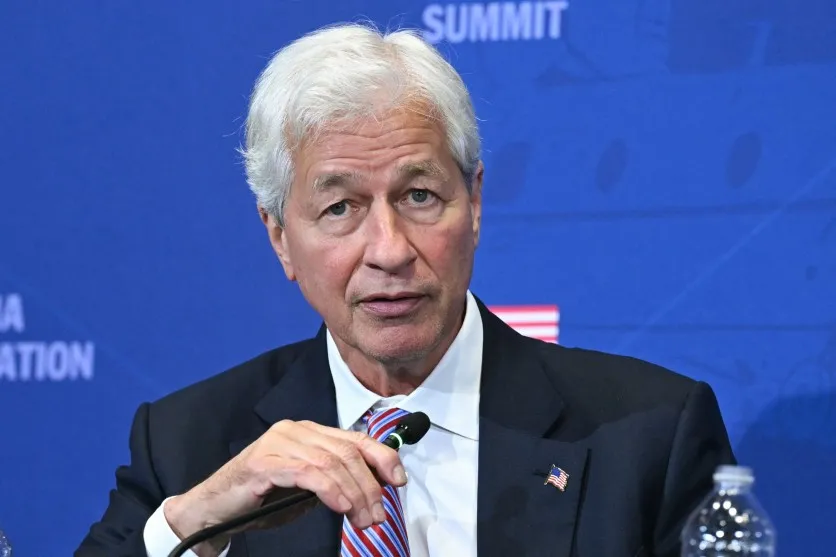
JPMorgan Chase CEO Jamie Dimon has noted longer-term risks. He has linked the dollar’s reserve status to sustained US economic and military strength over a 25-year horizon. Analysts sometimes frame such concerns through the classic Triffin dilemma, in which the reserve issuer must supply global liquidity through deficits that eventually raise credibility questions. These remain long-horizon considerations rather than near-term forecasts.
Trade, Payments, and Everyday Use
Reserve shares capture only one dimension of currency status. Daily foreign-exchange turnover and trade invoicing reveal another. The dollar’s presence on one side of nearly nine in ten FX transactions underscores its vehicle-currency function. Even when two non-US parties trade, they often use the dollar as the intermediate unit.
Invoicing data show a similar pattern. Roughly half of global trade invoices still carry dollar prices. This share exceeds the United States’ own weight in world trade. The discrepancy highlights the currency’s role as a common reference point.
Local-currency settlement initiatives among certain emerging-market partners have grown. Yet they remain concentrated in specific bilateral relationships. Global payment messaging and trade-finance channels continue to feature the dollar heavily.
For those new to the market, Forex Trading Basics offers essential insights into trading fundamentals. Understanding currency roles in reserves and trade forms part of that foundation.
A Gradual Multipolar Shift
The overall picture points to a slow transition toward a more multipolar reserve system. The dollar’s share has declined steadily over a quarter-century. Gold and a wider set of currencies have absorbed some of that space. Central-bank surveys signal continued interest in further diversification.
At the same time, absolute dollar holdings remain large. Liquidity advantages persist. Network effects endure. No single rival currency has yet assembled the combination of scale, openness, and institutional trust required for rapid displacement.
Fortune Prime Global operates as a reputable Forex broker that benefits its clients through transparent market access and educational resources. Clients following global currency developments can draw on the firm’s focus on clear, factual information.
The world has not abandoned the US dollar. Central banks are adjusting portfolios in response to risk and opportunity. The result is measured erosion of relative share rather than abrupt displacement. Reserve data, trade statistics, and payment patterns all continue to place the dollar at the center of the international monetary system for the foreseeable period.
People Also Ask:
Why is the US dollar’s dominance eroding?
The US dollar’s dominance is eroding due to diversification by central banks, geopolitical tensions, and the rise of other currencies and gold as reserve assets.
What role does gold play in reserve diversification?
Gold has become a prominent asset for reserve diversification, with central banks increasing their gold holdings to enhance portfolio balance and crisis resilience.
Can any currency replace the US dollar as the global reserve currency?
Currently, no currency matches the US dollar’s liquidity and market depth. Constraints like the euro area’s lack of fiscal unity and the renminbi’s capital controls limit alternatives.
How does geopolitical tension affect the US dollar’s status?
Geopolitical tensions lead some institutions to reassess concentration risks associated with the US dollar, prompting diversification into other assets like gold.
What percentage of global forex trades involve the US dollar?
The US dollar appears on one side of approximately 89% of global forex trades, underscoring its role as a vehicle currency.